









Introduction
The study of global population trends is one of the most fascinating and consequential topics in understanding the future of humanity. Population changes impact everything from economic development and environmental sustainability to healthcare systems and urban planning. As we move further into the 21st century, the dynamics of global populations are shifting dramatically, influenced by a range of factors including fertility rates, mortality rates, migration patterns, and evolving social norms. These changes pose significant challenges and opportunities for societies worldwide. Understanding the trajectory of global population growth is key to preparing for the future and making informed decisions in policy, business, and daily life.
The Global Population Explosion
Historically, humanity has witnessed dramatic shifts in population numbers. For much of prehistory and antiquity, the global population remained relatively small, hovering around a few hundred million. However, since the Industrial Revolution in the 18th and 19th centuries, the world’s population has skyrocketed. Advances in medicine, sanitation, and food production led to a steep decline in mortality rates, while birth rates in many parts of the world remained high.
In 1800, the global population was just under one billion. By 1900, it had doubled, reaching around 1.6 billion, and by 2000, it had crossed the six billion mark. Today, as we enter the 2020s, the global population exceeds 8 billion, and projections suggest it will grow to around 9.7 billion by 2050.
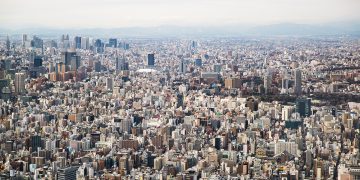
This exponential growth, while impressive, has led to a series of new challenges. The sheer volume of people on the planet means increased demand for resources like food, water, energy, and land. Moreover, this rapid population growth has led to urbanization at an unprecedented rate, with more than half of the world’s population now living in cities. Cities are expanding both horizontally and vertically, leading to a mix of opportunity and tension in urban centers around the globe.
Fertility Rates and Their Impact
Fertility rates—the average number of children born to a woman in her lifetime—have been one of the primary drivers of population change. In the mid-20th century, fertility rates were high in most parts of the world. However, as countries industrialized and urbanized, fertility rates began to decline. In many developed nations, fertility rates have fallen below the replacement level of 2.1 children per woman, meaning that, without immigration, these countries would experience population decline.
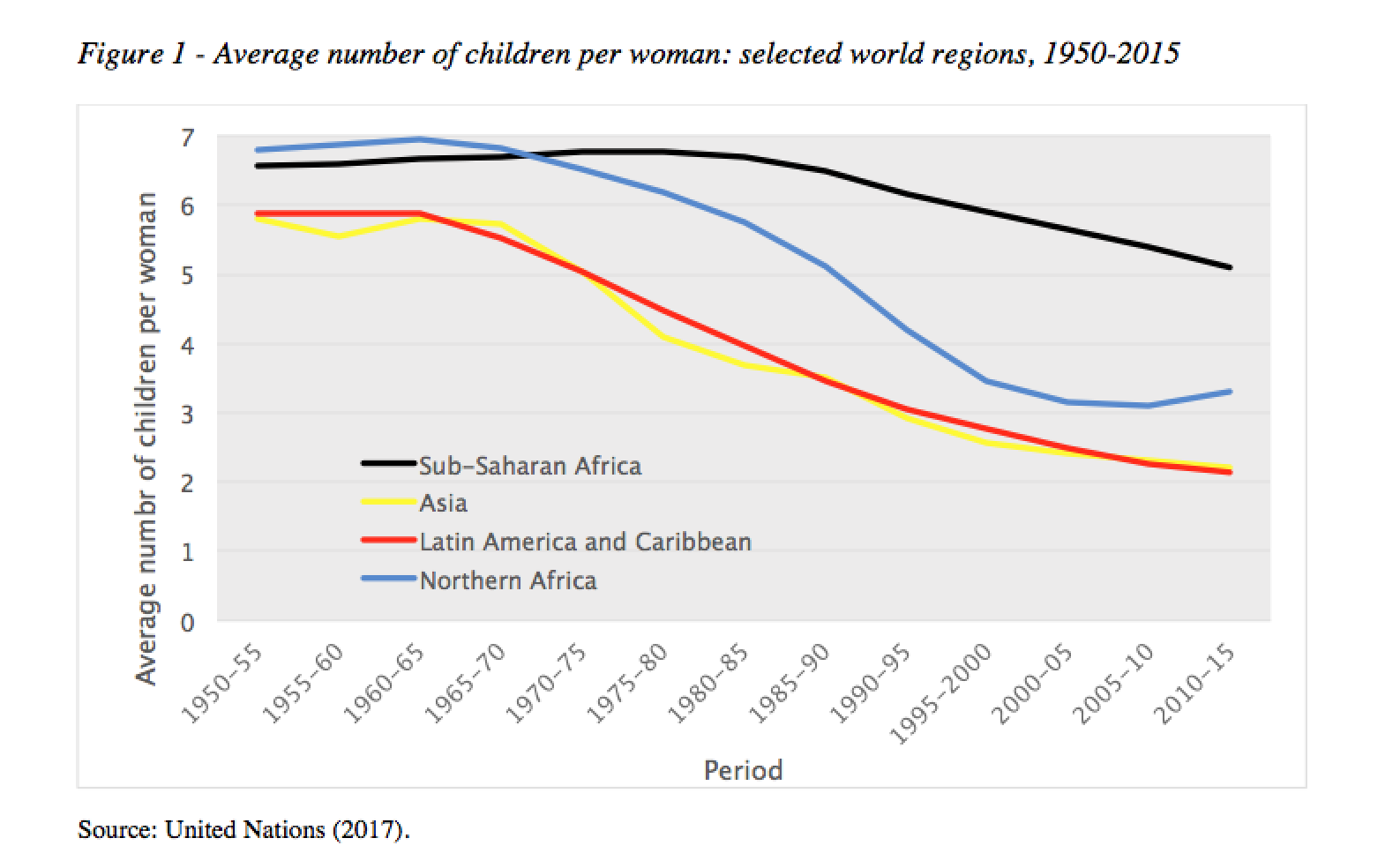
Countries like Japan, Italy, and Germany are already facing shrinking populations due to low fertility rates. In contrast, some developing countries, especially in Sub-Saharan Africa, still experience high fertility rates, contributing to the rapid population growth in those regions. Countries like Nigeria, Ethiopia, and Democratic Republic of the Congo are expected to see their populations more than double by 2050, which will add immense pressure to their infrastructures, healthcare systems, and job markets.
The decline in fertility rates in the developed world has been driven by several factors: higher levels of education, particularly among women; increased participation of women in the workforce; economic pressures; and changing social attitudes towards family and childbearing. At the same time, advancements in contraception and family planning have allowed people to make more informed choices about when and how many children to have.
Life Expectancy and Mortality Rates
The other key factor influencing population changes is life expectancy—the average number of years a person can expect to live. Over the past century, life expectancy has increased dramatically in most parts of the world, due to medical advancements, improvements in public health, and better nutrition. The global average life expectancy has increased from about 47 years in 1950 to around 73 years today.
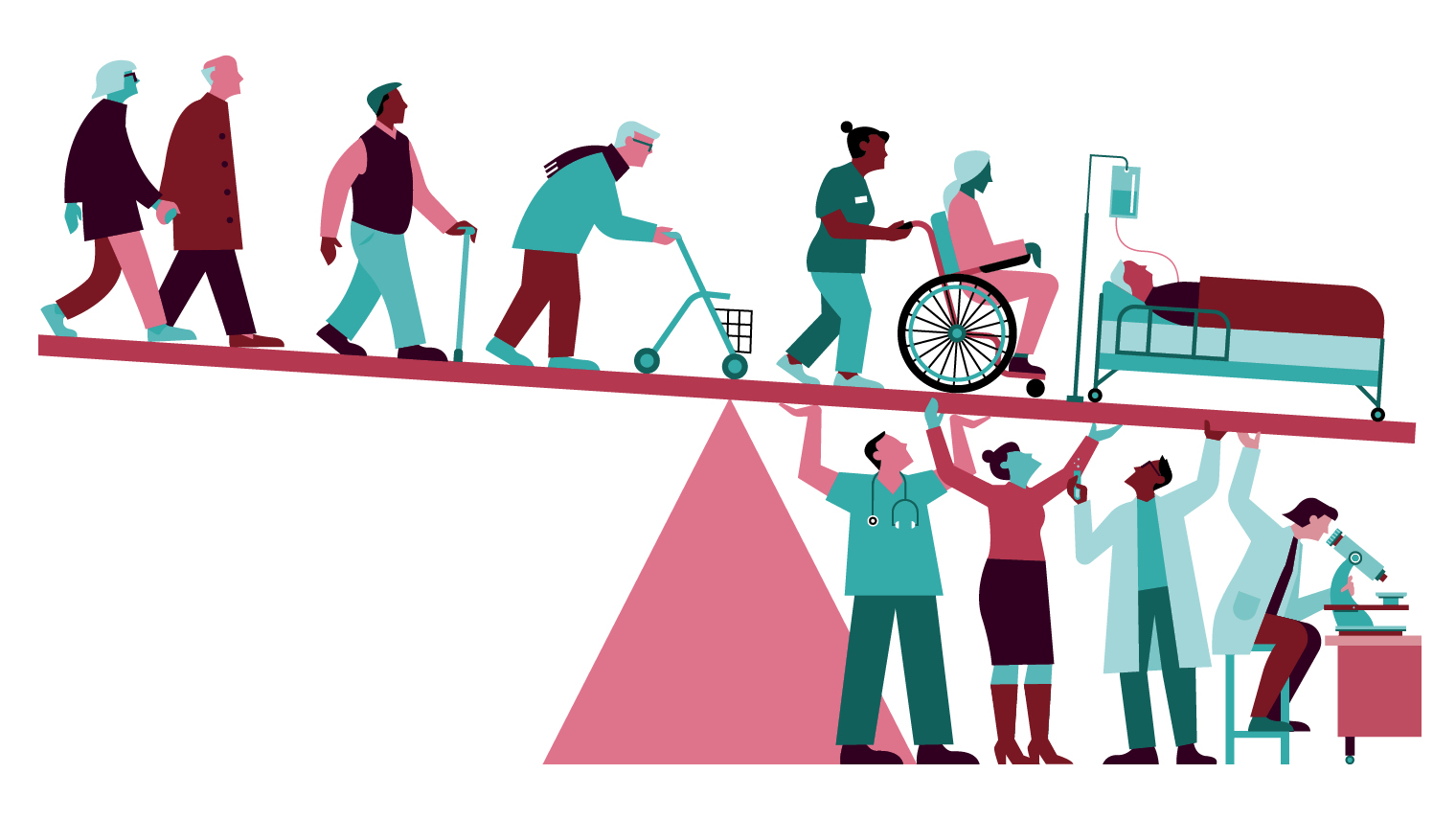
This increase in life expectancy has had a profound effect on the demographic makeup of populations. In many countries, particularly those with high levels of healthcare and economic development, people are living longer and healthier lives. This means that, in these societies, the proportion of elderly individuals is increasing, which has created challenges in terms of pension systems, healthcare, and caregiving.
The aging population is a particularly pressing issue in countries like Japan and many European nations, where a significant portion of the population is over the age of 65. In contrast, many developing nations, especially in Africa, still have high infant mortality rates and lower life expectancies. This discrepancy between developed and developing nations in terms of life expectancy is one of the key factors contributing to the shifting global population dynamics.
Migration and Urbanization
Migration—the movement of people from one place to another—has always played a role in shaping global populations. Today, however, the scale of migration is unprecedented. Millions of people move across borders each year, driven by economic opportunities, political instability, environmental change, and family reunification.
International migration can alleviate some of the pressures faced by countries with aging populations or declining fertility rates. For example, many European countries rely on immigration to maintain their workforce and support their aging populations. On the other hand, regions like North America and the Middle East have attracted migrants seeking better job opportunities, political asylum, or safety from conflict.
Urbanization, or the growing trend of people moving from rural areas to cities, has further compounded these migration patterns. As cities become economic hubs and offer better living standards, they continue to attract large numbers of migrants. The United Nations predicts that by 2050, nearly 70% of the world’s population will live in urban areas, a shift that poses both opportunities and challenges for infrastructure, housing, and employment.
In addition to economic migration, the world is seeing an increase in forced migration due to conflict, climate change, and natural disasters. The displacement of people caused by war, such as the Syrian refugee crisis, and the effects of climate change, including rising sea levels and extreme weather events, have created new global migration patterns that are reshaping population structures in unprecedented ways.
Population Projections: The Future Outlook
Looking ahead, the global population is expected to continue growing, but at a slower rate. The United Nations’ 2019 World Population Prospects report projects that the global population will reach approximately 9.7 billion by 2050 and could peak at around 10.4 billion by the end of the 21st century. However, population growth is expected to be concentrated in certain regions, particularly in Africa and parts of Asia.
While much of the developed world will see stagnating or even declining populations, regions like Sub-Saharan Africa will experience explosive growth. Countries such as Nigeria, which is projected to become the third-largest country in the world by population, will face substantial challenges in terms of food security, employment, education, and infrastructure. Conversely, countries with declining populations will struggle to support their elderly populations and maintain economic growth.
This demographic shift also suggests that the global economy will be increasingly shaped by emerging markets in Africa and Asia. As these regions grow and develop, they will contribute more to global trade, innovation, and cultural exchange. However, managing the rapid growth of these populations while ensuring sustainable development will be one of the greatest challenges of the coming decades.
The Environmental Impact of Population Growth
Population growth has a significant impact on the environment, as the demand for resources such as water, food, energy, and land increases. A growing population requires more agricultural production, more infrastructure, and more energy, all of which can strain the planet’s ecosystems. Deforestation, loss of biodiversity, overfishing, and air pollution are all linked to human population expansion.
One of the most pressing concerns is climate change, which is exacerbated by population growth and unsustainable consumption patterns. As more people around the world adopt lifestyles similar to those of developed countries, the global demand for fossil fuels, meat, and manufactured goods increases, contributing to higher greenhouse gas emissions and environmental degradation.
However, population growth also offers opportunities for innovation. The challenge of feeding and sustaining billions of people may lead to breakthroughs in agriculture, renewable energy, and sustainable living practices. Solutions such as vertical farming, renewable energy sources like solar and wind power, and efforts to reduce food waste will become increasingly important in mitigating the environmental impact of population growth.
Conclusion
The changing patterns of global populations are reshaping the world in profound ways. Fertility rates are falling in many parts of the world, life expectancy is rising, migration is increasing, and urbanization is accelerating. These shifts create both challenges and opportunities for societies, economies, and the environment. As the world’s population continues to grow, understanding these trends and their implications will be crucial for creating policies and strategies that ensure a sustainable and prosperous future for all.
In particular, attention must be given to balancing population growth with the resources available on Earth. By fostering innovation, embracing sustainable practices, and addressing demographic challenges head-on, humanity can ensure that the changes in global populations lead to a brighter, more equitable future for all.