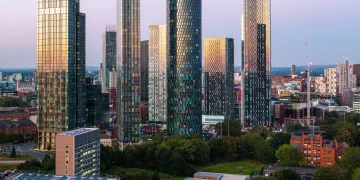










Global cities, often described as hubs of commerce, culture, and innovation, are the pulsating hearts of the modern world. From New York to Tokyo, London to Shanghai, these metropolises embody the power of human ingenuity. But behind the glittering skyline and bustling streets lies a pressing question: can a global city truly be sustainable? Sustainability is no longer a buzzword; it is a necessity. Yet the scale, complexity, and speed of urban life in these mega-cities pose unique challenges that demand both creativity and pragmatism.
Understanding Global Cities
To explore the sustainability of global cities, we first need to define what they are. A global city is more than a large population center. It is an economic powerhouse, a cultural beacon, and a political influencer with networks that stretch across continents. These cities often dominate finance, media, technology, and transport systems, creating flows of capital, talent, and information that shape the world.
The allure of global cities is irresistible. They offer opportunities that smaller cities cannot match: cutting-edge technology, access to international markets, and unparalleled cultural experiences. Yet, this magnetism comes at a cost. The very factors that make global cities vibrant also make sustainability exceptionally challenging. High population density, energy-intensive lifestyles, sprawling infrastructure, and relentless consumption all contribute to ecological strain.
The Environmental Burden
Global cities are major contributors to greenhouse gas emissions. In fact, urban areas account for approximately 70% of global carbon emissions, despite occupying just 2% of the Earth’s land surface. The sources are manifold: energy consumption in skyscrapers, transportation networks, industrial activity, and the production of goods consumed by urban populations.
Consider transportation. Millions of vehicles crisscross city streets daily, producing exhaust fumes, particulate matter, and congestion. Even with public transportation systems, the carbon footprint of commuting remains high. Meanwhile, urban heat islands—created by concrete, asphalt, and glass—intensify local temperatures, increasing energy demands for cooling and exacerbating air pollution.
Waste management presents another critical challenge. Global cities generate enormous volumes of waste, ranging from household trash to industrial byproducts. Many cities struggle with landfills that overflow, incinerators that emit toxins, and recycling systems that fail to keep pace with consumption. The complexity of global supply chains further complicates the picture, as products consumed in one city may generate environmental degradation thousands of miles away.
Water scarcity and pollution also loom large. As urban populations grow, demand for clean water skyrockets. Rivers, lakes, and aquifers face over-extraction, contamination, and mismanagement. The result is a paradox: cities, often positioned near water sources, simultaneously threaten their own water security.
Social Dimensions of Urban Sustainability
Sustainability is not solely an environmental concern; it also encompasses social equity and human well-being. A global city can be ecologically efficient yet socially unsustainable if it marginalizes low-income populations or exacerbates inequality.
Housing affordability is a prime example. Skyrocketing real estate prices often push vulnerable populations to city peripheries or informal settlements, increasing commuting distances, stress, and reliance on cars. Access to healthcare, education, and public amenities also varies dramatically within urban areas, challenging the notion of inclusive sustainability.
Moreover, global cities attract diverse populations, creating rich cultural mosaics. While diversity enhances creativity and resilience, it also introduces governance challenges. Policymakers must balance competing demands, from preserving historic neighborhoods to accommodating technological growth, without neglecting environmental and social imperatives.

Energy and Innovation: Keys to Sustainability
Despite the challenges, global cities are uniquely positioned to lead the sustainability revolution. Concentrated populations and economic power provide leverage to implement innovative solutions at scale.
Renewable energy adoption is accelerating in many cities. Solar panels on skyscrapers, offshore wind farms, and district heating systems reduce dependency on fossil fuels. Smart grids optimize electricity distribution, while energy-efficient building codes ensure that new developments minimize environmental impact.
Transportation innovation is equally promising. Cities like Copenhagen and Amsterdam demonstrate that cycling infrastructure can significantly reduce emissions and improve quality of life. Electric buses, ride-sharing platforms, and autonomous vehicles offer additional pathways to sustainable mobility. Urban planning that prioritizes walkable neighborhoods, green corridors, and mixed-use development fosters lower carbon footprints and healthier lifestyles.
Circular economy principles are also gaining traction. Recycling programs, waste-to-energy initiatives, and industrial symbiosis networks transform urban waste from a liability into a resource. Some cities are experimenting with “zero-waste” districts, where materials are reused, refurbished, or recycled in closed-loop systems.
The Role of Technology
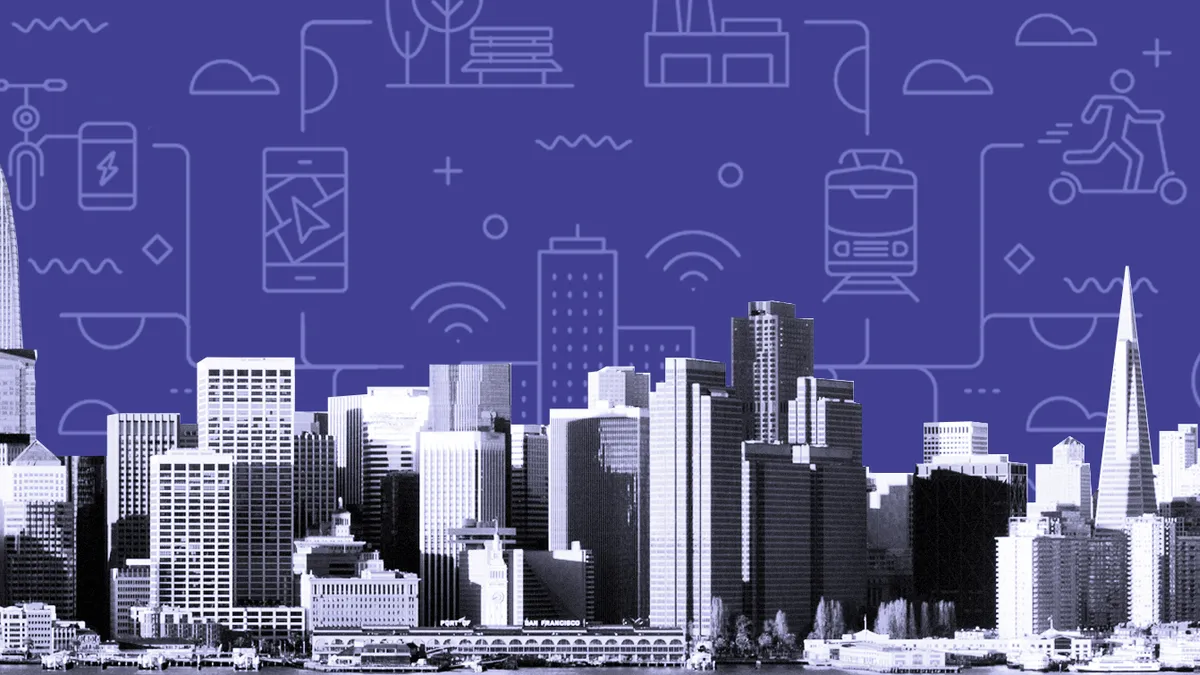
Technology is both a challenge and a solution. On one hand, digital infrastructure and smart city systems consume significant energy. On the other, advanced data analytics, artificial intelligence, and the Internet of Things (IoT) provide unprecedented tools for managing urban sustainability.
Real-time monitoring of air quality, traffic flow, and energy usage allows cities to respond dynamically to environmental pressures. Predictive modeling helps planners anticipate water shortages, heat waves, or pollution spikes, enabling proactive interventions. Even citizen engagement apps empower residents to participate in sustainability efforts, from reporting litter to tracking energy use.
Yet technology is not a panacea. It requires substantial investment, governance, and equitable access. Without careful planning, technological solutions risk exacerbating inequality or creating new environmental problems, such as electronic waste or energy-intensive data centers.
Policy, Governance, and Collaboration
Policy frameworks are essential for translating sustainability ambitions into reality. Global cities operate within complex governance structures, involving municipal, regional, and national authorities. Effective coordination is crucial for managing resources, enforcing regulations, and fostering innovation.
International collaboration amplifies impact. Cities can share best practices, co-develop technologies, and form alliances to negotiate with corporations or advocate for climate action. Initiatives like C40 Cities and the Global Covenant of Mayors exemplify how urban networks can drive systemic change beyond local boundaries.
However, politics and short-termism can hinder progress. Urban planning cycles often span decades, while elected officials may focus on immediate wins. Long-term sustainability requires visionary leadership, integrated policies, and sustained public support.
Cultural Shifts and Urban Lifestyle
Sustainability in global cities is not only about infrastructure and technology; it is also about culture. Lifestyle choices—from diet to commuting to consumption—play a significant role in a city’s ecological footprint. Encouraging sustainable behavior requires education, incentives, and social norms that prioritize environmental stewardship.
Cultural institutions, media, and local leaders can shape perceptions and values. Public campaigns, art installations, and community projects foster a sense of shared responsibility. Cities that embed sustainability into their identity often inspire innovation and civic engagement, reinforcing the connection between culture and ecology.
Resilience and Adaptation
Even with ambitious mitigation efforts, global cities must confront the reality of climate change. Rising sea levels, extreme weather events, and heatwaves threaten infrastructure, livelihoods, and public health. Sustainability, therefore, is inseparable from resilience—the ability to absorb shocks, adapt, and recover.
Urban resilience strategies include flood defenses, climate-adaptive architecture, emergency response systems, and diversified supply chains. Green infrastructure—parks, wetlands, and urban forests—reduces heat, manages stormwater, and enhances biodiversity. By integrating resilience into planning, cities can transform vulnerability into opportunity, creating environments that are both livable and sustainable.
Economic Incentives and Market Forces
Economic considerations are central to urban sustainability. Green investments, carbon pricing, and sustainable finance mechanisms incentivize businesses and individuals to adopt environmentally friendly practices.
Global cities, as financial hubs, can leverage markets to drive change. Sustainable bonds, impact investing, and corporate social responsibility programs channel capital toward projects that reduce emissions, improve infrastructure, and enhance quality of life. Economic incentives align profitability with sustainability, creating win-win scenarios for stakeholders.
Yet market forces alone are insufficient. Regulatory frameworks, public investment, and citizen engagement must complement financial tools. Otherwise, sustainability risks becoming a niche, market-driven endeavor rather than a comprehensive societal goal.
Can a Global City Be Truly Sustainable?
The question of whether a global city can be truly sustainable is as complex as the cities themselves. Perfection may be unattainable—after all, urban systems are dynamic, multifaceted, and subject to global pressures beyond their control. But sustainability is a continuum, not a binary state.
Global cities can become highly sustainable, striking a balance between ecological responsibility, social equity, economic vitality, and cultural richness. Achieving this requires holistic strategies that integrate technology, policy, behavior, and governance. It demands collaboration among governments, businesses, and citizens, as well as a willingness to experiment, fail, and adapt.
Perhaps the most important insight is that sustainability is not a destination but a journey. Each improvement, no matter how incremental, contributes to resilience, livability, and environmental stewardship. Global cities, with their concentration of talent, capital, and influence, have the potential to lead this journey and serve as models for the rest of the world.
Conclusion
A truly sustainable global city may remain aspirational, but the pursuit itself catalyzes transformative change. Environmental pressures, social imperatives, and technological innovation converge to redefine urban life. The skyscrapers, subways, and sprawling neighborhoods of tomorrow may be greener, smarter, and more inclusive than ever before.
Sustainability is not merely a challenge; it is an opportunity—a chance for global cities to demonstrate human ingenuity, resilience, and cooperation at their highest potential. By embracing integrated planning, technological innovation, cultural shifts, and robust governance, global cities can move closer to a reality where they thrive not just economically, but socially and ecologically as well.
In essence, the question is not whether a global city can be perfectly sustainable, but how far it is willing to go—and how creatively, collaboratively, and courageously it pursues that vision. The answer lies not in theoretical models alone, but in the living, breathing fabric of urban life, where every street, building, and citizen plays a part in shaping a sustainable future.