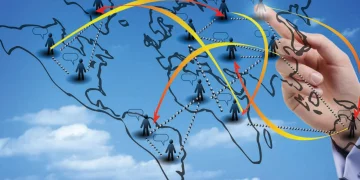










Migration has been a fundamental part of human history. From the early nomads crossing vast continents in search of food and shelter to the modern-day movement of people across borders, migration has shaped civilizations and cultures. However, the nature of migration in the 21st century is distinct from any period in history due to a combination of technological advancements, geopolitical shifts, economic opportunities, and environmental challenges. As we approach the middle of the 21st century, understanding the forces that drive global migration is crucial for policymakers, social scientists, and anyone interested in the changing dynamics of the world.
In this article, we will explore the key drivers behind global migration today. These include economic disparities, political instability, environmental changes, technological innovations, and social networks. By analyzing these factors, we can gain a clearer picture of why people move and what it means for the future of our interconnected world.
1. Economic Disparities: The Push and Pull of Prosperity
One of the most significant drivers of global migration is the economic disparity between nations. Economic migration has been a constant feature throughout human history, but it is particularly pronounced in the 21st century. People are increasingly motivated to migrate in search of better economic opportunities, higher wages, and improved living standards.
For many in developing countries, the allure of more prosperous economies, particularly in the West or in rapidly growing economies like China and India, offers a chance for a better life. A key factor in this economic migration is the vast gap between rich and poor countries. As global economies become more integrated, opportunities in wealthier countries, such as access to high-paying jobs, better infrastructure, and more social services, attract migrants from poorer regions.
The economic “pull” effect is evident in the way cities like New York, London, Dubai, and Singapore have become hubs for migrants seeking work. These global cities offer numerous opportunities, but they also serve as prime destinations for those seeking to improve their standard of living.
On the flip side, there is the “push” factor of economic instability. Many migrants flee their home countries due to poverty, high unemployment rates, inflation, or lack of opportunities. For instance, migrants from countries with high unemployment, like parts of Africa, the Middle East, or Central America, may see migration as their only chance for economic survival.
2. Political Instability: Fleeing Conflict and Persecution
Political instability, including conflict, human rights abuses, and persecution, is another powerful force driving migration in the 21st century. People often leave their countries due to violence, repression, or discrimination, seeking asylum and refuge in more stable nations. Wars, civil strife, and authoritarian regimes have forced millions of people to flee their homes in search of safety.
The Syrian refugee crisis is one of the most poignant examples of how political instability leads to mass migration. Since the outbreak of the Syrian Civil War in 2011, millions of Syrians have sought refuge in neighboring countries and in Europe. Similarly, countries like Afghanistan, Iraq, and Venezuela have seen large numbers of people forced to migrate due to internal conflict and the collapse of political structures.
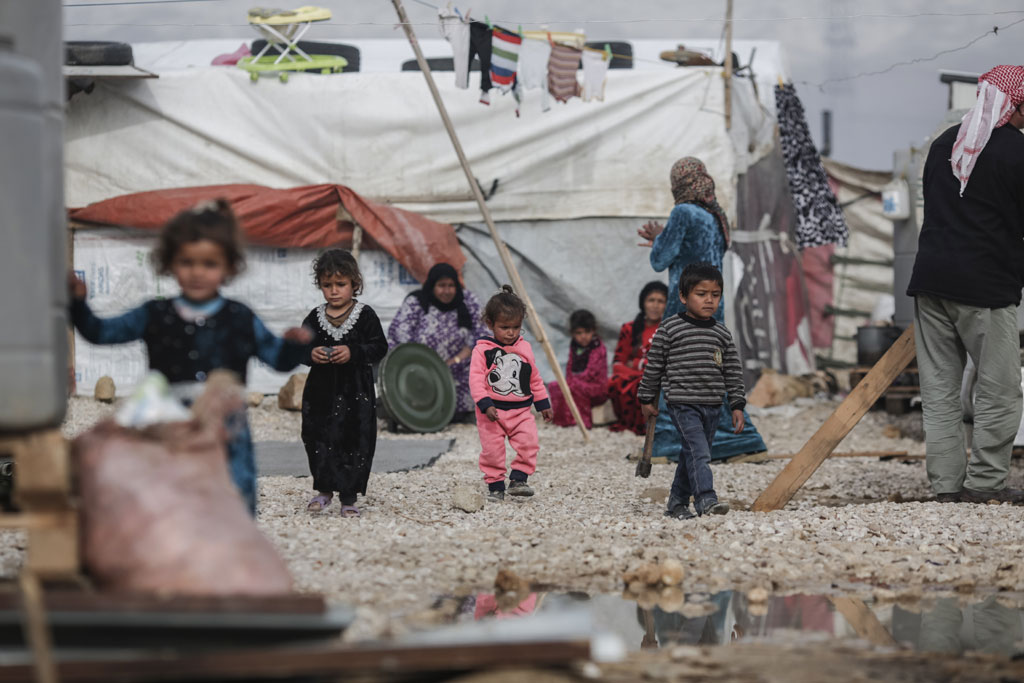
Another form of political instability that drives migration is the repression of specific ethnic, religious, or social groups. Religious and ethnic minorities, including the Rohingya Muslims in Myanmar and the Uighurs in China, have been subjected to violence and persecution, leading many to seek refuge in other countries. Political refugees often flee authoritarian regimes, oppressive laws, or military dictatorships that strip away fundamental freedoms.
In the modern era, international laws and conventions like the 1951 Refugee Convention provide a legal framework for asylum seekers, but political instability continues to be a key motivator for migration. Migrants in these contexts are not merely seeking better economic prospects but are often fleeing life-threatening situations.
3. Environmental Changes: Climate Migration and Disasters
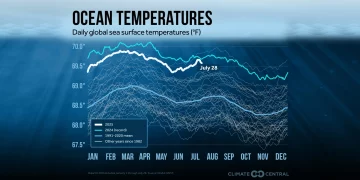
In recent years, the link between environmental changes and migration has become increasingly apparent. As climate change accelerates, millions of people are being forced to leave their homes due to environmental degradation, natural disasters, and changing weather patterns. The term “climate refugees” is gaining prominence as environmental factors become one of the most significant drivers of migration.
Rising sea levels, extreme weather events like hurricanes, floods, and droughts, and the desertification of once-fertile land are forcing people to move in search of more habitable environments. For example, small island nations like the Maldives and Kiribati are facing the possibility of becoming uninhabitable in the coming decades due to rising sea levels. As a result, their populations are looking for opportunities to migrate to other countries before their lands are submerged.
In regions like sub-Saharan Africa, climate change has exacerbated droughts and desertification, leading to a decline in agricultural productivity and livelihoods. Farmers and herders, whose livelihoods are closely tied to the land, find themselves displaced as the land becomes less productive. Similarly, in parts of South Asia, communities are facing the twin challenges of rising temperatures and increasingly erratic monsoon seasons, which disrupt agriculture and make survival more difficult.
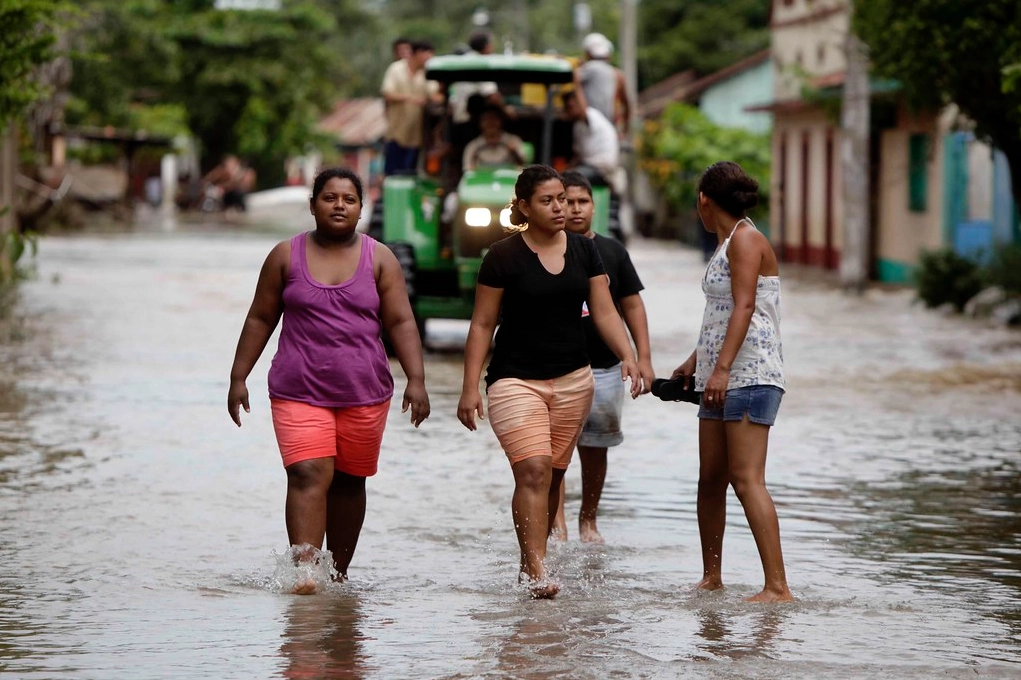
Environmental migration also occurs after extreme weather events. For instance, after hurricanes, earthquakes, or wildfires, affected populations often migrate either temporarily or permanently to escape the destruction. In many cases, this migration is forced by the sudden destruction of homes and livelihoods.
4. Technological Advancements: Connecting the World
The rapid development of technology in the 21st century has played a pivotal role in facilitating global migration. Advances in transportation, communication, and digital technologies have made it easier for people to move across borders and stay connected with their home countries.
The cost and speed of travel have decreased dramatically in recent decades. Air travel, once a luxury for the wealthy, has become more affordable and accessible, allowing people from various parts of the world to migrate for work, education, or leisure. Similarly, the proliferation of online platforms, such as social media, job boards, and educational websites, has enabled individuals to explore migration opportunities and gather information on potential destinations before they move.
Social networks—both physical and digital—also play a major role in migration. Once a person migrates, they often establish connections with others who can help them settle in a new country. These networks provide support in terms of finding housing, employment, and social integration, which encourages further migration. Additionally, the ability to stay connected with family members back home through messaging apps and social media reduces the emotional strain of being away, making migration more appealing.
Moreover, the rise of the “gig economy” and remote work has opened new avenues for migration. People can now work for companies across the globe without needing to be physically present in the office. This has allowed a new generation of digital nomads to migrate in search of better living conditions, lower costs of living, or simply a change in lifestyle, often moving between countries or cities based on their work flexibility.
5. Social Networks: The Role of Family and Community
Social networks are often cited as a key driver of migration in the 21st century. Once a person moves to a new country and establishes themselves, they become part of a larger diaspora that creates opportunities for others from the same region or community to follow. These established networks can reduce the barriers to migration by offering support systems and connections to potential jobs or housing.
For example, many migrants from Latin America, Africa, and Asia move to the United States, Europe, or the Middle East, where they are part of larger migrant communities. These social networks play a crucial role in reducing the risks of migration, as they provide information, resources, and emotional support to newcomers. In many cases, family members or close friends who have already migrated become the “gatekeepers” for others who are looking to follow suit.
Additionally, migration has become a family-oriented process. While an individual may first migrate for work, they often send remittances back to their families in their home country. Over time, these remittances may support the migration of other family members. In some instances, family reunification policies in destination countries also encourage this type of migration.
6. Globalization and Mobility: The Freedom to Choose
In the context of globalization, mobility has become a defining characteristic of modern life. Globalization has not only facilitated the movement of goods, services, and capital across borders but has also increased the ease with which people can migrate. The interdependence of global markets, the increased availability of travel options, and the removal of barriers to trade and commerce have fostered a sense of global interconnectedness.
In many cases, migration has become less about escaping crises and more about seeking better opportunities. As people from different parts of the world become more aware of opportunities in other countries—whether through media, digital platforms, or word of mouth—they may choose to migrate for personal reasons such as career advancement, educational pursuits, or lifestyle choices. The modern world has made it possible for more people to envision life beyond their home country and act on those desires.
Conclusion: The Future of Migration
The 21st century has seen an explosion in global migration, driven by a complex mix of economic, political, environmental, technological, and social factors. While migration offers individuals the opportunity to improve their lives, it also presents challenges for governments, societies, and communities that must navigate the complex issues related to immigration, refugees, and asylum seekers.
In the future, we can expect migration patterns to continue evolving as the world becomes even more interconnected and globalized. Migration is likely to be influenced by emerging trends such as climate change, digital technology, and political transformations. Understanding the forces that drive migration is essential for creating policies that promote fair, humane, and effective management of global mobility.
As migration continues to shape the world, it will be important for both receiving and sending countries to collaborate in addressing the challenges and opportunities migration presents. Only by working together can we create a world where migration is not seen as a burden but as a dynamic and integral part of our shared global future.