
In a world that is increasingly interconnected yet still deeply divided, global sporting events—whether they be the Olympics, the FIFA World Cup, or the Rugby World Cup—have become some of the most watched and celebrated occurrences in the world. These events attract millions of viewers and bring together diverse cultures, nations, and communities. But as much as these events have the power to unite, they also possess the potential to divide, often in ways that go unnoticed. As countries gather under the banner of competition and spectacle, the question remains: do global sporting events serve to unify or divide nations?
The Power of Unity
It’s easy to see why global sporting events are often touted as symbols of unity. At their best, they offer a rare opportunity for nations to come together in a shared experience that transcends borders, languages, and ideologies. The atmosphere at these events is electrifying, with spectators cheering for athletes who represent their countries, but also for the idea of sport itself. A sense of pride swells within the hearts of millions as they watch their national teams compete on the world stage.
A Celebration of Culture and Identity
The 2008 Beijing Olympics, for example, showcased not only the athletic prowess of competing nations but also the cultural richness of the host country. The opening ceremony, a breathtaking display of Chinese history and culture, brought together over 200 countries in celebration of human achievement. Such moments serve as a reminder that sporting events are not just about winning or losing—they are about sharing unique cultural experiences that deepen global understanding.
Similarly, during the FIFA World Cup, nations often feel a sense of collective identity that extends beyond sports. The image of Brazilian fans celebrating in yellow and green, or the passionate support of French crowds waving their Tricolore flags, evokes a sense of belonging and pride that is almost impossible to replicate in any other context. These moments are powerful because they connect people to their heritage, while also offering them a chance to share their culture with the world.
Nationalism and Pride
Sporting events often elevate nationalism to unprecedented levels. In countries with deeply ingrained sports cultures, the outcomes of these events can have significant political and social implications. For example, the victory of the U.S. men’s basketball team in the 1992 Barcelona Olympics symbolized more than just athletic success—it was also a statement of American dominance in global affairs following the Cold War.
For nations that lack the same sports infrastructure or international success, however, global sporting events offer a platform to project their identity to the world. Countries like Japan or South Korea, for instance, use these opportunities to bolster their national image and prove their global relevance. This tendency to associate national pride with athletic achievement can foster a sense of unity among citizens, creating a shared experience that transcends regional, ethnic, or political divisions.
Promoting Peace and Diplomacy
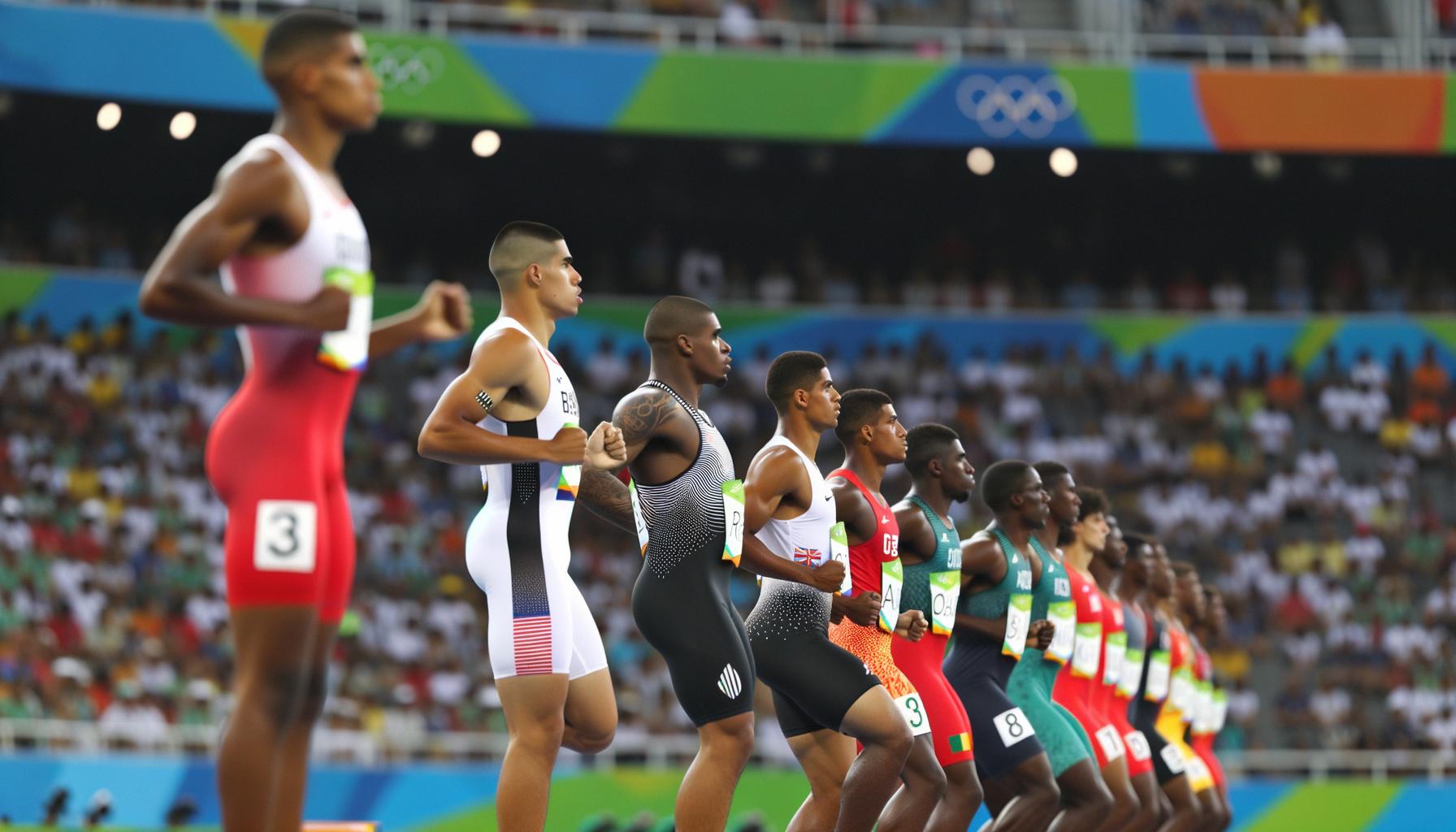
In some cases, global sporting events have been used as tools for diplomacy. One of the most famous examples of this was the “ping-pong diplomacy” between the United States and China in the early 1970s. The exchange of table tennis players between the two countries helped ease tensions during the Cold War and laid the groundwork for the eventual normalization of relations. More recently, South Korea’s hosting of the 2018 Winter Olympics in Pyeongchang provided a moment for dialogue between North and South Korea, with both nations marching under a unified flag during the opening ceremony.
Such gestures are symbolic, but they reflect the power of sport to bridge political divides and bring about peaceful resolution. Global sporting events, by providing a neutral ground for international interaction, offer a rare opportunity for diplomacy in a world often plagued by conflict and tension.
The Dark Side: Division Through Sport
Despite their potential for unity, global sporting events also have a dark side. Competition, by nature, breeds tension, and when nations invest heavily in their athletes’ success, the stakes of these events can escalate to a level where rivalries turn into enmity. While these rivalries often fuel excitement and passion, they can also serve as a source of division, particularly when the results of these events are perceived as a reflection of national worth or identity.
Political Tensions and Boycotts
One of the most divisive aspects of global sporting events is the intersection between sport and politics. Throughout history, many international events have been marred by boycotts, protests, and political statements. The 1980 Moscow Olympics, for instance, were boycotted by over 60 countries in protest of the Soviet Union’s invasion of Afghanistan. Four years later, the Soviet Union retaliated by boycotting the 1984 Los Angeles Olympics.
These boycotts, while politically motivated, cast a long shadow over the global sporting community, creating divisions that were felt far beyond the athletic arena. The lasting bitterness from these events demonstrates how deeply sport and politics can become intertwined, turning what should be a celebration of human achievement into a battleground for ideological and geopolitical conflict.
National Rivalries and Intolerance
In certain contexts, the intense rivalries that accompany global sporting events can foster nationalism in its most extreme form. While national pride can unite a population, it can also lead to exclusionary behavior, where “us versus them” mentalities take hold. Fans can become hostile toward rival nations, leading to clashes, both on and off the field. Instances of racism, xenophobia, and even violence between competing fan bases have occurred during events like the World Cup, where the intensity of competition often spills over into unsportsmanlike conduct.
Moreover, global sporting events have the potential to magnify existing ethnic, religious, or political divides within countries. For example, the 1998 FIFA World Cup featured a match between the Netherlands and Yugoslavia, during which tensions rooted in the Balkan conflict reemerged on the soccer field. The animosity between Serbs and Croats, stemming from years of war, was temporarily transferred into the passionate rivalry between the two nations’ teams, leading to heightened tensions that went beyond sport.
Cultural Stereotypes and Misrepresentation
Global sporting events also have the potential to perpetuate harmful stereotypes and misrepresentations of countries and their citizens. In the media coverage of events like the World Cup, countries and their athletes are often reduced to simplified, one-dimensional portrayals. These portrayals can be influenced by cultural biases or political agendas, and they often fail to capture the complexities of the nations involved.
For example, during the 2014 FIFA World Cup in Brazil, many European fans were quick to stereotype Brazilian culture as being overly focused on soccer, neglecting the country’s rich diversity and history. Similarly, in the aftermath of the 2002 World Cup in South Korea and Japan, there were criticisms about how the media depicted the host nations—painting them with broad strokes and overlooking the subtleties of their cultures. In these cases, global sporting events inadvertently reinforced cultural stereotypes rather than promoting genuine understanding.
The Future of Global Sporting Events
As global sporting events continue to evolve, they are likely to play an even more significant role in shaping international relations. Technological advancements in broadcasting, for example, have made it easier than ever for millions of people to watch events in real-time, regardless of where they live. This increased access to global sport offers unprecedented opportunities for cross-cultural exchange, but it also means that nations are more exposed to both the positive and negative impacts of these events.
The future of global sporting events lies in their ability to balance the forces of unity and division. It will depend on how nations use these events not only to showcase athletic prowess but also to foster mutual respect and understanding. With the right approach, sporting events can become true platforms for global cooperation, where the competition is intense but the spirit of unity transcends the scoreboard.
Conclusion
Global sporting events have the power to unify nations, bringing people together in moments of joy, pride, and celebration. They offer a space where diverse cultures can meet, exchange, and even celebrate their differences. However, the competitive nature of these events can also sow division, fostering political tensions, perpetuating stereotypes, and even inflaming existing conflicts. The key lies in how these events are framed, how they are perceived by the public, and how nations choose to engage with one another. If used wisely, global sporting events can be a force for good, a platform for peace and cooperation that transcends the boundaries of sport itself.
But as we continue to celebrate global sports, we must remain mindful of the ways in which these events can both unite and divide, and strive for a future where sport truly becomes a universal language of peace.