








Global warming is one of the most critical issues facing the planet today. Over the past century, rising temperatures, more frequent heatwaves, changing weather patterns, and rising sea levels have dramatically altered the natural balance of Earth’s ecosystems. But what if, somehow, global warming were to stop tomorrow? What if all human activity ceased, all carbon emissions were halted, and the earth’s temperature stabilized immediately? Would the planet simply return to its pre-industrial state, or would there still be lasting consequences to our actions?
In this article, we will explore the potential outcomes of such a scenario, considering both immediate effects and long-term consequences. The implications of stopping global warming tomorrow are complex, with some changes that could be positive and others that may continue to haunt humanity and the planet.
The Immediate Effect on Climate Patterns
If global warming stopped tomorrow, the first noticeable change would be a stabilization of the Earth’s average temperature. Over the course of decades, global temperatures have risen by approximately 1.2°C since the pre-industrial era, largely due to human activities like deforestation and the burning of fossil fuels. The abrupt cessation of greenhouse gas emissions would immediately halt the warming process, potentially preventing any further temperature increases.
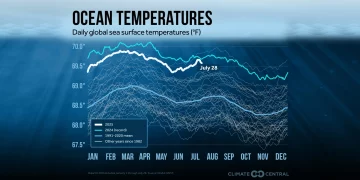
However, it’s important to understand that the effects of climate change are already deeply embedded in the planet’s systems. The oceans, which absorb a significant portion of the Earth’s heat, would continue to release heat into the atmosphere for decades. The warming and acidification of the oceans have already caused massive disruptions to marine life, and stopping global warming won’t reverse these effects overnight. Coral reefs, for instance, may still suffer from bleaching events even if temperatures were to stabilize.
In terms of weather, regions that have been experiencing extreme heat would see an immediate reduction in the frequency of heatwaves. This would provide some relief to many populations that have been struggling with intense heat and droughts, particularly in parts of Africa, the Middle East, and southern Asia. However, some weather patterns, like more intense storms or floods, may persist for a while, as the atmosphere continues to adjust.
Oceanic and Atmospheric Adjustments
While stopping global warming tomorrow would arrest the rise in sea levels, it wouldn’t immediately reverse the damage done. The world’s oceans are currently absorbing heat at an unprecedented rate, and this heat has been causing the melting of polar ice caps and glaciers. Even if global warming were halted, the effects of this melting would continue for years, potentially decades.
The melting of ice contributes directly to rising sea levels, which pose a significant threat to coastal communities and ecosystems. In many areas, coastal cities would still be at risk, particularly those that are already struggling with flooding or erosion. Think of Miami, New York, or Jakarta, where populations have already had to cope with rising tides. In this case, halting global warming would at least slow the process, but reversing sea-level rise would take centuries, if not millennia.
Furthermore, the Earth’s atmosphere has already been altered by years of carbon emissions. These emissions are not just a temporary problem—they’ve created a long-lasting alteration of the natural balance. Even if all greenhouse gas emissions stopped immediately, we would still see the aftereffects for a considerable time.
The Fate of Ecosystems

Ecosystems around the world have been heavily affected by global warming. Forests, wetlands, and grasslands that once thrived are now under stress from droughts, heat, and shifting weather patterns. Stopping global warming would prevent further destruction, but ecosystems already stressed by climate change might not immediately recover.
Take the Amazon rainforest, for example. Deforestation and rising temperatures have pushed this critical ecosystem to the brink. While halting global warming could prevent further degradation, the damage done over decades has left it vulnerable to fires and droughts. The loss of biodiversity would not automatically reverse just because global warming stopped, and certain species that have already been pushed to extinction might never return.
On the other hand, some ecosystems could begin to recover. Forests that have been impacted by higher temperatures might see a return to more favorable growing conditions. Wetlands, once drained by heat, could begin to fill again, helping to support waterfowl and other wildlife. The reduction in heatwaves might also allow some species, particularly those that have migrated due to climate stress, to return to their native habitats.
Economic and Social Impacts
The cessation of global warming tomorrow would undoubtedly have significant effects on the global economy and society. In the short term, industries related to renewable energy might face challenges as fossil fuel companies, which have been losing market share due to the rise of green energy, could see a temporary resurgence. However, this would be a brief phenomenon, as the momentum toward sustainable energy solutions would remain strong.
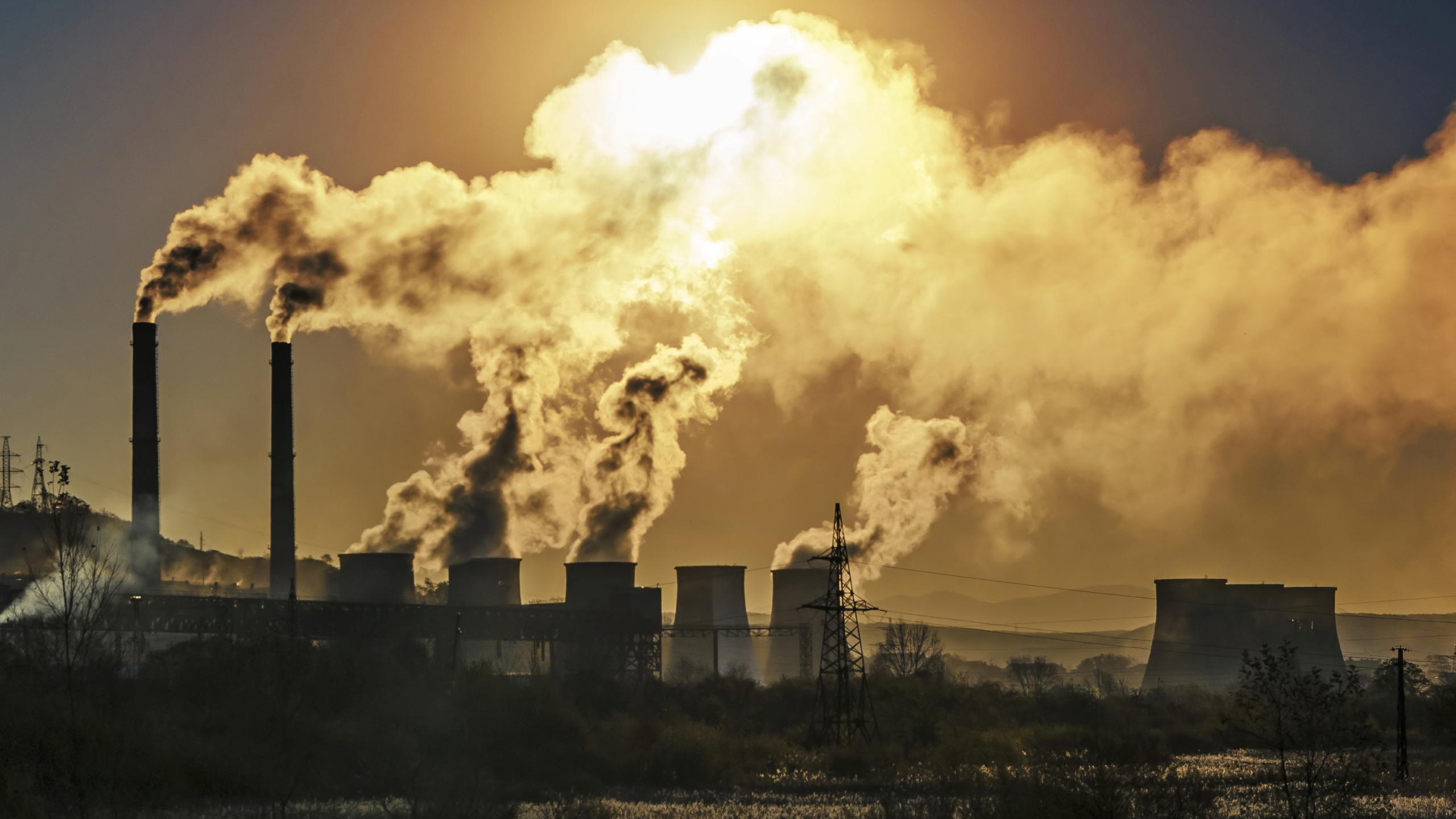
Agricultural sectors would also see an immediate impact. Regions suffering from droughts, like California or parts of Australia, could see a return to more regular rainfall patterns, potentially leading to improved crop yields. However, farmers would still have to deal with the long-term impacts of soil degradation and water scarcity caused by previous climate changes. The economic effects of these adjustments would be felt for years.
One of the more dramatic changes would be the social impact. Communities that have been displaced by rising sea levels, like those in low-lying island nations or coastal cities, would not immediately be able to return to their homes. This displacement has created significant challenges, and simply stopping global warming would not reverse the geopolitical tensions surrounding climate refugees.
The Human Health Factor
Human health has been severely impacted by climate change. The spread of diseases like malaria and dengue fever has increased due to rising temperatures, and heatwaves have led to thousands of deaths each year. Stopping global warming could reduce the spread of such diseases by curbing the rise of warmer, more hospitable environments for these pathogens.
Heat-related deaths could also decrease. As temperatures stabilize, people in affected areas would experience fewer instances of heat exhaustion, heat strokes, and other climate-related health issues. This would be particularly beneficial for vulnerable populations, such as the elderly and young children, who are more susceptible to extreme weather conditions.
However, the healthcare sector would still face challenges. For instance, the lingering effects of climate change on mental health—such as anxiety, PTSD from natural disasters, and climate grief—would take time to heal. The long-term damage done to mental health by the instability of the past few decades could take years or decades to address fully.
The Long-Term Vision: A New Earth?
Stopping global warming tomorrow would be a momentous event, but it would not automatically return the Earth to its pre-industrial state. The Earth’s ecosystems and human societies have been irrevocably altered, and it would take generations—if not longer—for the planet to heal. In some areas, the damage may be permanent.
However, this could mark the beginning of a long journey toward restoration. With a cessation of further warming, humanity would have the opportunity to begin mitigating the damage done. Biodiversity could slowly recover in certain regions, and ecosystems might gradually restore their balance. The reduction in climate-related disasters would allow people to focus on rebuilding communities, reinvigorating economies, and creating a sustainable future for the generations to come.
This process would not be easy. Global cooperation and sustained efforts would be required to manage the delicate balance of the planet’s resources and ensure that humanity does not fall back into patterns of excessive consumption. But the hope would lie in the possibility of a new, more resilient Earth—one where humans, nature, and technology work in harmony to prevent the mistakes of the past.
Final Thoughts
Stopping global warming tomorrow would not instantly erase the damage done over the last century. The effects of climate change are deeply ingrained in the Earth’s systems, and many of the consequences would continue to affect the planet for decades, if not centuries. However, halting global warming would provide humanity with the opportunity to begin the slow and challenging process of healing. We would have a chance to build a more sustainable future, restoring ecosystems, improving human health, and reducing the risks associated with climate instability.
While the road ahead may be long, it is not an impossible one. By acting today to reduce emissions and invest in renewable technologies, we can ensure that future generations inherit a planet that is not just surviving, but thriving.