




The world’s oceans are in peril. Across vast stretches of water, ecosystems are under threat from human activity—pollution, overfishing, climate change, and habitat destruction are all accelerating the decline of marine life. The question that looms large is whether global cooperation can truly save the oceans. Can countries put aside national interests for the greater good of the planet, or are we doomed to watch the slow destruction of the world’s most vital resource?
In this article, we’ll explore the critical challenges facing the oceans today, the importance of collaboration across borders, and the potential for coordinated action to restore the health of our seas. We’ll also examine what global cooperation might look like in practice, drawing on international agreements and innovative solutions from around the world. So, let’s dive in—literally and figuratively—into the question of whether global cooperation can save the world’s oceans.
The Crisis Facing Our Oceans
The oceans are the lifeblood of our planet. They cover more than 70% of Earth’s surface, regulate climate, produce oxygen, and are home to an estimated 80% of all life on Earth. They are also a critical source of food, providing sustenance to billions of people, and they serve as the primary avenue for global trade. Despite their vastness, however, the oceans are increasingly under threat.
1. Pollution: A Growing Tide
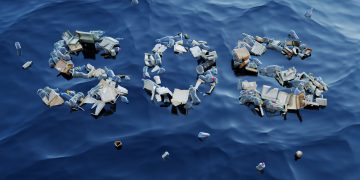
One of the most insidious threats to the oceans is pollution. Every year, millions of tons of plastic and other waste are dumped into the sea. This pollution takes many forms—plastics, chemicals, sewage, and even noise pollution from shipping and oil exploration. The impacts are catastrophic: marine animals ingest plastics, leading to injury or death, while coral reefs and delicate ecosystems are smothered by pollutants.
The Great Pacific Garbage Patch, for instance, is an area in the North Pacific Ocean where currents converge and trap debris, creating a massive concentration of plastic waste. This floating mass of plastic is only one example of the widespread pollution problem affecting oceans around the globe. Ocean currents transport plastic debris to remote regions, contaminating marine environments in even the most isolated places on Earth.
2. Overfishing: Depleting the Oceans’ Bounty
Overfishing has long been a problem, but in recent decades, the situation has become more dire. Technological advances in fishing methods, coupled with weak regulations and unsustainable practices, have led to the depletion of many fish species. In fact, around 90% of the world’s fish stocks are either fully exploited or in decline.
The consequences of overfishing extend far beyond the loss of individual species. Entire marine ecosystems are disrupted when key species, such as sharks or certain types of fish, are removed. This can cause cascading effects, upsetting the balance of food webs and jeopardizing the health of the entire oceanic system.
3. Climate Change: The Rising Tide of Disaster
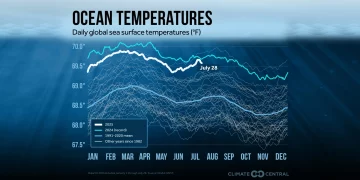
Climate change is another significant threat to the oceans. As global temperatures rise, so too does the temperature of the oceans. Warming waters disrupt marine ecosystems, causing coral bleaching, the migration of species, and the loss of critical habitats for marine life. Moreover, the melting of polar ice caps is contributing to rising sea levels, which threaten coastal communities around the world.
In addition to rising temperatures, increased CO2 levels in the atmosphere are being absorbed by the oceans, leading to ocean acidification. This makes it harder for marine creatures such as shellfish, corals, and plankton to build their calcium carbonate shells and skeletons, further endangering marine life.

4. Habitat Destruction: The Ocean’s Fragile Ecosystems
The destruction of marine habitats, such as coral reefs, mangroves, and seagrass meadows, is yet another critical issue. These ecosystems provide shelter and food for a diverse range of marine species. Unfortunately, activities such as coastal development, bottom trawling, and unsustainable tourism have decimated these fragile habitats.
Coral reefs, in particular, are often referred to as the “rainforests of the sea” because of their rich biodiversity. Yet they are among the most endangered ecosystems on the planet, with over 50% of the world’s coral reefs having already been lost or severely damaged. The destruction of these vital habitats has far-reaching consequences for marine life and for the communities that depend on them.
The Case for Global Cooperation
The interconnectedness of these challenges makes it clear that no single nation, corporation, or organization can address the issues facing the oceans alone. To effectively protect and restore the world’s oceans, countries must work together, sharing resources, knowledge, and expertise. Global cooperation is not just a lofty ideal—it is an urgent necessity.
1. International Agreements: Building a Framework for Action
International agreements are one of the most important tools for fostering global cooperation on ocean conservation. The United Nations, through initiatives such as the UN Convention on the Law of the Sea (UNCLOS), has laid the groundwork for international cooperation on ocean governance. UNCLOS establishes the legal framework for the use and conservation of the world’s oceans, covering everything from fishing rights to the protection of marine biodiversity.
More recently, the UN Sustainable Development Goal (SDG) 14—”Life Below Water”—has become a rallying point for global efforts to conserve the oceans. This goal encourages countries to reduce marine pollution, protect marine ecosystems, and regulate fishing practices. While progress has been made, SDG 14 remains an ongoing challenge, with much more to be done to ensure the long-term health of the oceans.
2. The Role of Regional Agreements
In addition to global frameworks, regional agreements play a crucial role in managing marine resources and protecting the oceans. The Convention for the Protection of the Mediterranean Sea (the Barcelona Convention) and the Convention on the Conservation of Antarctic Marine Living Resources (CCAMLR) are two examples of how countries in specific regions have come together to manage their shared ocean resources.

Regional agreements allow countries with similar environmental concerns to tailor solutions that are context-specific. For example, the Coral Triangle Initiative—an effort by Indonesia, Malaysia, the Philippines, Papua New Guinea, Timor-Leste, and Solomon Islands—aims to protect the world’s most biodiverse marine region, the Coral Triangle, from threats like overfishing and habitat destruction. Regional cooperation makes it easier to share information, monitor ecosystems, and enforce regulations.
3. The Private Sector and Innovation
Governments alone cannot solve the crisis facing the oceans. The private sector has a crucial role to play, too. Businesses involved in industries such as shipping, fishing, tourism, and technology can leverage innovation to reduce their environmental impact and contribute to ocean conservation efforts.
For example, some shipping companies are investing in eco-friendly technologies to reduce their carbon footprints and limit pollution. Similarly, sustainable fisheries and aquaculture operations are emerging as more environmentally responsible alternatives to traditional fishing practices. Corporations can also support ocean conservation through corporate social responsibility (CSR) initiatives, funding marine research, and supporting nonprofits working on ocean-related issues.
4. Citizen Action and Grassroots Movements
In addition to institutional and corporate efforts, grassroots movements and public awareness campaigns play a significant role in pushing for change. Global movements like the “plastic-free” campaign and “Save the Oceans” have mobilized millions of people to reduce plastic consumption and demand policy changes from their governments. Social media has amplified the voices of activists and communities working to protect the oceans, making it easier than ever to spread information and rally support.
Public pressure is a powerful force for change. Governments are more likely to implement stronger environmental protections when citizens demand it. As the awareness of ocean issues grows, so too does the potential for widespread global cooperation.
Innovative Solutions for Ocean Conservation
While global cooperation is essential, innovative solutions can make a significant difference in protecting the oceans. Technology, scientific research, and new conservation strategies can offer new ways of tackling ocean-related challenges.
1. Marine Protected Areas (MPAs)
Marine Protected Areas (MPAs) are designated zones where human activity is restricted or regulated to protect marine ecosystems. These areas allow marine life to recover from the pressures of overfishing, pollution, and habitat destruction. The establishment of more MPAs is a critical step in preserving biodiversity and rebuilding depleted fish stocks. A goal set by the UN is to protect 30% of the world’s oceans by 2030, which would create a network of MPAs to safeguard marine ecosystems.
2. Ocean Restoration and Conservation Technologies
Advancements in ocean restoration technology are offering hope for the regeneration of coral reefs and other critical habitats. Projects like coral farming, where scientists grow coral in nurseries before replanting them in damaged areas, have shown promising results. Likewise, artificial reefs—man-made structures that provide habitats for marine life—are helping to restore degraded marine environments.
Additionally, innovations in biodegradable plastics, waste management systems, and ocean cleanup technologies, such as the Ocean Cleanup Project, are reducing the amount of plastic and waste entering the oceans.
3. Blue Carbon Initiatives
Blue carbon refers to the carbon captured and stored by marine ecosystems, such as mangroves, seagrasses, and salt marshes. These ecosystems play a crucial role in mitigating climate change by sequestering carbon dioxide from the atmosphere. Protecting and restoring blue carbon habitats is an important strategy for addressing both ocean health and climate change.
The Road Ahead: Is There Hope?
While the challenges facing the oceans are immense, the potential for global cooperation is equally vast. The path to saving the oceans is not an easy one, but with continued international collaboration, innovation, and public engagement, there is hope.
To turn the tide, countries must work together to implement and enforce stronger environmental protections, while industries and citizens must do their part to reduce their environmental footprints. The fight to save the oceans is not just about the health of marine life—it’s about ensuring a sustainable future for all life on Earth.