









Innovation in education is no longer a luxury—it is the central nervous system of national progress, global competitiveness, and cultural dynamism. Across the Middle East, from the Gulf to the Levant and North Africa, governments, universities, and private innovators are redesigning their education ecosystems with unprecedented speed. The region once primarily associated with traditional schooling models is now home to some of the world’s most ambitious educational reforms, technology-driven classrooms, research hubs, and talent-acceleration programs.
This article explores how Middle Eastern countries are fostering innovation in education, highlighting strategic reforms, digital transformation, creative pedagogy, ecosystem partnerships, and future-driven programs that are shaping a new generation of learners. The approach here is concise yet rich, technical yet enjoyable, and designed with clean, modern readability. The only goal: give you a panoramic understanding of the educational transformation sweeping the region.
1. A New Vision: National Strategies That Prioritize Innovation
Middle Eastern countries are not stumbling into innovation—they are intentionally steering toward it. Over the past two decades, numerous nations have framed education as a strategic engine for economic diversification, youth empowerment, and global competitiveness.
1.1. Vision-Led Reforms
Countries like Saudi Arabia, UAE, Qatar, Oman, Bahrain, Jordan, Egypt, and Morocco have launched multi-year national strategic programs that explicitly integrate:
- Innovation competency development
- Digital literacy and advanced STEM education
- Human-capital acceleration
- Research and knowledge-economy expansion
- International collaboration with top universities
These national visions usually combine infrastructural modernization with teacher upskilling, curriculum redesign, and partnerships with tech companies and global academic institutions.
1.2. From Oil Economies to Knowledge Economies
Much of this reform is tied to a widening shift: moving from resource-based models to diversification. For example:
- The Gulf states increasingly see education innovation as the foundation of post-oil economic identity.
- Levant countries are leveraging education technology to export talent and digital services.
- North African countries are using innovation-based education policies to compete more effectively in global tech and research markets.
In short, the region recognizes that talent is the new oil—and schools are the new pipelines.
2. Transforming Classrooms Through Technology
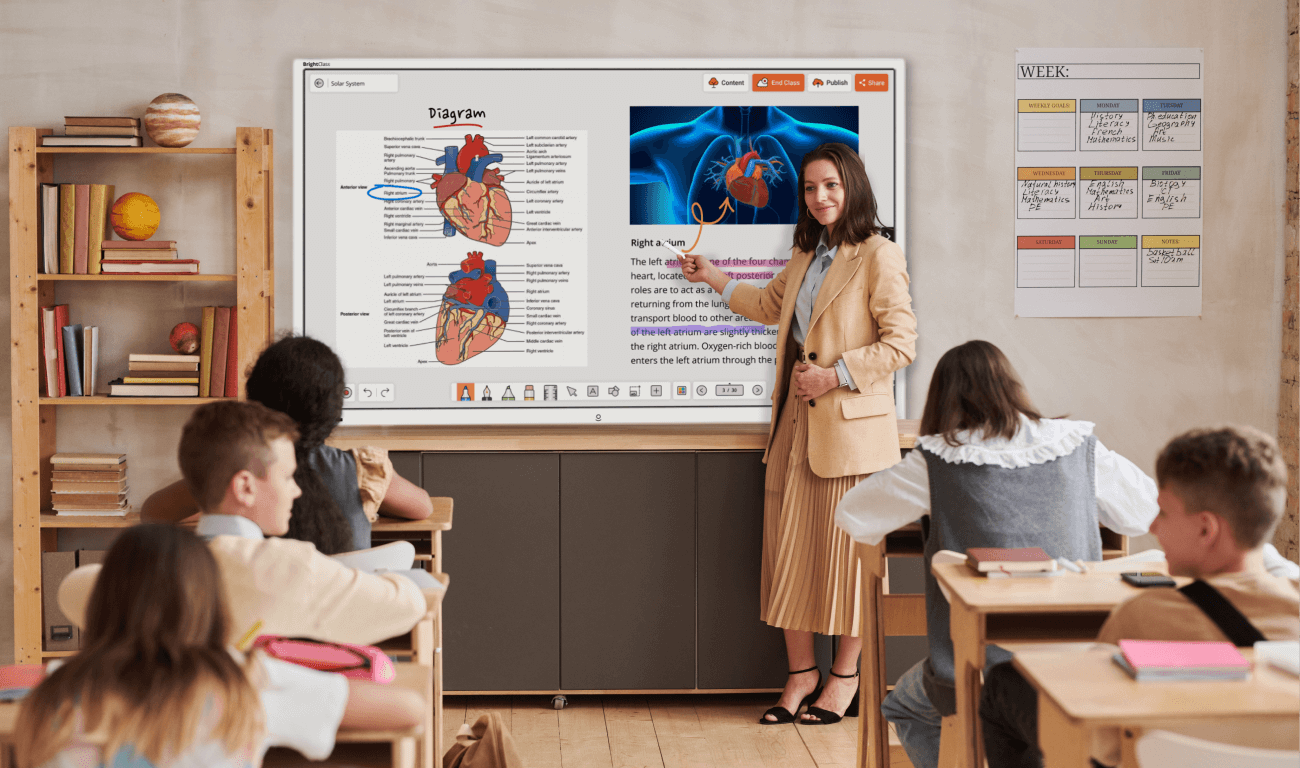
Technology is not merely an enhancement in Middle Eastern education; it is becoming the primary operating system of the learning experience.
2.1. Digital Learning Platforms
Countries across the region rapidly implemented:
- National e-learning portals
- Cloud-based learning management systems (LMS)
- Hybrid learning infrastructures
- AI-powered student support tools
These systems now serve millions of students, offering:
- Personalized learning paths
- Real-time analytics for teachers
- Resource-sharing platforms
- Continuous remote-learning capabilities
Some education ministries now treat digital learning as a standard expectation rather than a contingency tool.
2.2. AI and Data Analytics in Education
Middle Eastern governments and schools are increasingly adopting:
- AI tutoring systems
- Predictive analytics to monitor student progress
- Adaptive learning engines that personalize content
- Automated student performance dashboards
This trend reflects a shift toward efficiency, personalization, and data-driven decision-making.
2.3. Virtual and Augmented Reality (VR/AR)
Immersive learning is no longer a novelty. VR and AR are being used to teach:
- Medical procedures
- Engineering simulations
- Historical reconstruction
- Environmental science
- High-risk vocational skills
These technologies make learning vivid, safe, and experiential.
3. Empowering Teachers as Innovators
Reforming education requires empowering the educators themselves. Many Middle Eastern nations have launched teacher-innovation programs to prepare educators for a technology-rich, creativity-driven future.
3.1. Professional Development at Scale
Teacher digital-skills programs now include:
- AI literacy
- Coding fundamentals
- Data interpretation
- Online classroom management
- 21st-century pedagogy
- Inquiry-based teaching
Governments have created dedicated teacher-training academies, online PD platforms, and incentive systems for pedagogical innovation.
3.2. Communities of Practice
Teacher communities—both digital and face-to-face—enable educators to:
- Share best practices
- Create collaborative lesson designs
- Showcase experiments in classroom innovation
- Build mentorship networks
Teacher innovation awards and conferences have become popular across the region, raising the profession’s status and encouraging creative teaching.
4. Reimagining Curriculum for a New Era
Middle Eastern countries are overhauling what students learn—not just how they learn.
4.1. STEM and STEAM Transformation
Curriculum reforms increasingly emphasize:
- Coding and programming
- Artificial intelligence
- Robotics and automation
- Engineering fundamentals
- Applied mathematics
- Integrations of arts and creativity (STEAM)
Students now build robots in primary school, code apps in middle school, and explore data science in high school.
4.2. Competency-Based Learning
Several countries are adopting frameworks that prioritize:
- Critical thinking
- Problem-solving
- Entrepreneurial mindset
- Creative collaboration
- Digital literacy
- Communication skills
The new curriculum models shift away from memorization toward applied learning.
4.3. Multilingual and Cross-Cultural Competency
Given the region’s global economic ambitions, multilingual skills—particularly English proficiency and bilingual academic learning—are increasingly embedded into schooling systems.
5. EdTech Startups: The New Educational Powerhouses
The Middle East has become an emerging hotspot for education-technology entrepreneurship. The growth of regional EdTech ecosystems is accelerating innovation.
5.1. A Thriving Startup Landscape
Startups span:
- Online tutoring
- AI learning platforms
- Digital assessment tools
- Virtual classrooms
- Professional upskilling
- Gamified learning apps
Governments and investors are fueling the growth through:
- Incubators
- Grants
- Accelerators
- Public-private partnerships
- Venture-capital funding
5.2. EdTech as a Talent Export Engine
Many regional EdTech companies are now scaling globally, exporting:
- Digital learning platforms
- Arabic-language educational content
- AI-powered teaching tools
This positions the Middle East not just as a consumer of educational innovation but also as a producer.
6. Innovation Districts, Education Cities, and Research Hubs
Many Middle Eastern governments have established dedicated innovation ecosystems where education, research, and industry intersect.
6.1. Innovation Districts
These urban innovation clusters typically include:
- University campuses
- Research laboratories
- Technology companies
- Startup accelerators
- Innovation-oriented schools
They function as high-density knowledge environments.
6.2. Education Cities and Academic Free Zones
Some countries have created entire zones dedicated to world-class education, hosting:
- International branch campuses
- Specialized research centers
- Graduate institutes in science and technology
- Policy think tanks
These hubs attract global talent and accelerate cross-border academic collaboration.
6.3. Scientific Research Expansion
Investment in research has surged, especially in fields such as:
- Renewable energy
- Biotechnology
- Space sciences
- Water desalination
- Advanced materials
- AI and machine learning
Education institutions increasingly link research output with student learning, creating a pipeline of young scientists.
7. Partnerships With Global Universities and Tech Giants
Middle Eastern countries are actively importing global expertise while developing homegrown systems.
7.1. Academic Partnerships
Collaborations include:
- Joint degree programs
- Faculty exchange
- Dual curriculum standards
- Research partnerships
- Technology-transfer agreements
Global universities operate campuses or programs across the region, offering world-class educational opportunities without requiring students to go abroad.
7.2. Corporate Partnerships
Major tech companies—particularly those in AI, cloud computing, cybersecurity, and robotics—are entering the education sector through:
- Lab installations
- Curriculum co-development
- Certification pathways
- Industry-designed training modules
These partnerships ensure that students acquire directly employable skills.
8. Cultivating Creativity, Entrepreneurship, and Student Innovation
Education innovation is not just about systems or institutions—it is about learners.
8.1. Entrepreneurship Education
Schools and universities increasingly promote:
- Startup incubators for students
- Innovation competitions
- Entrepreneurial leadership programs
- Creative problem-solving workshops
Students are encouraged to propose solutions to real-world issues, often addressing regional challenges like water scarcity, sustainability, or health innovation.
8.2. Maker Spaces and Fabrication Labs
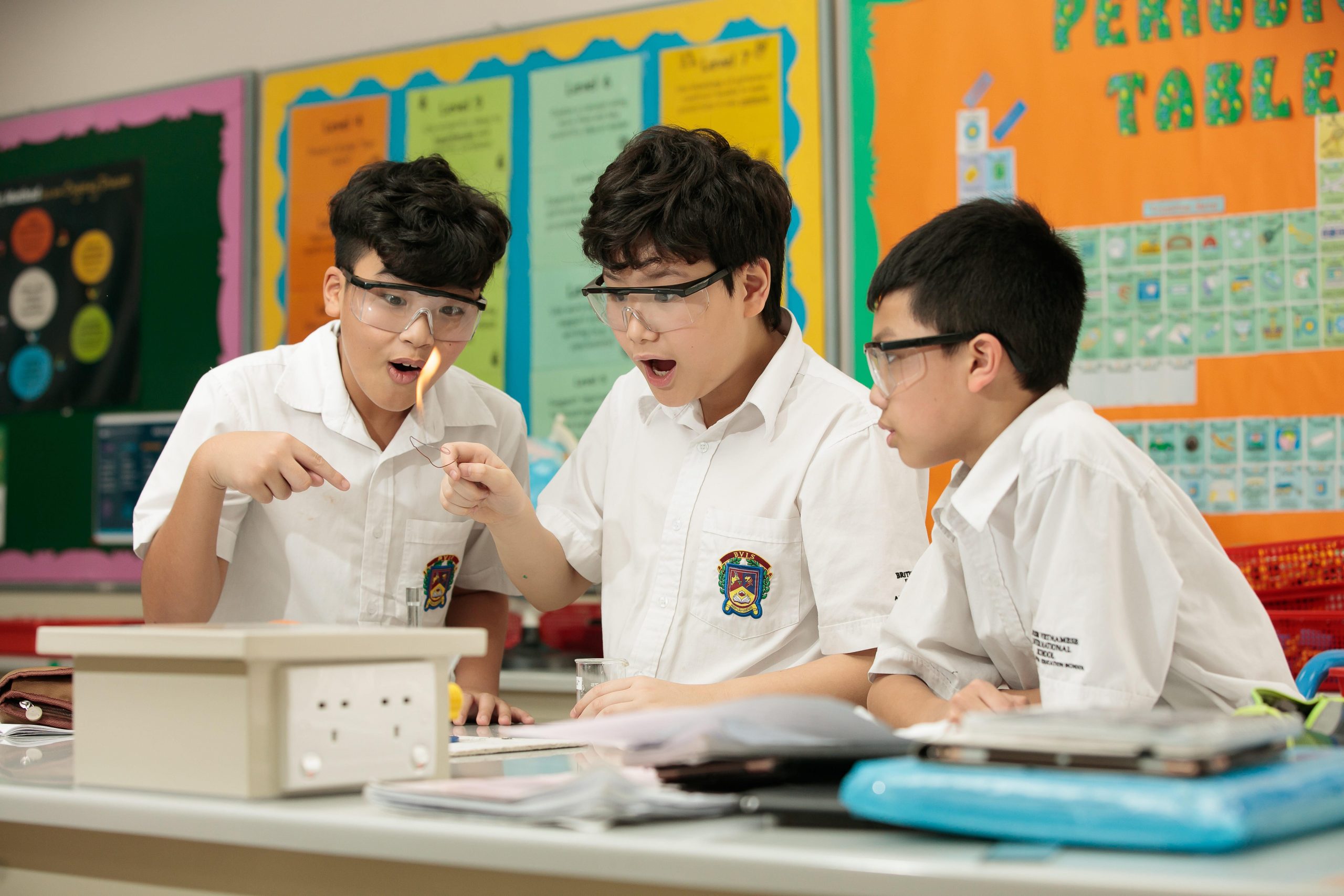
Hands-on innovation is rising in popularity with:
- 3D printers
- Electronics workstations
- Prototyping labs
- Robotics workshops
Students learn design thinking, rapid prototyping, and practical engineering skills.
8.3. Youth Innovation Challenges
Governments host national innovation tournaments that motivate youth to build:
- Apps
- Robots
- AI models
- Sustainability solutions
- Social impact initiatives
These competitions cultivate a culture of invention from an early age.
9. Inclusion, Accessibility, and Social Innovation in Education
Innovation is not meaningful unless it is inclusive.
9.1. Digital Inclusion Programs
Countries are launching initiatives that ensure:
- Low-income students have access to devices
- Remote areas get broadband coverage
- Learning platforms are optimized for accessibility
Mass efforts to democratize technology ensure an equal start.
9.2. Special-Needs EdTech
Specialized technologies support learners with:
- Visual impairments
- Hearing challenges
- Learning disabilities
- Cognitive differences
Tools include speech-to-text systems, adaptive reading platforms, sign-language apps, and personalized learning devices.
9.3. Women in STEM and Innovation
The Middle East is becoming a global center for female participation in:
- Engineering
- Research
- Computer science
- Entrepreneurship
Many innovation programs specifically target women and girls, helping bridge gender gaps in advanced fields.
10. Data-Driven Governance and Policy Innovation
Educational innovation also depends on smart governance.
10.1. Centralized Data Systems
Education ministries are building unified digital data ecosystems for:
- Student performance tracking
- Teacher evaluation
- Resource allocation
- Curriculum redesign
Policy is increasingly evidence-based rather than tradition-based.
10.2. Continuous Policy Iteration
Countries are adopting agile policy-making models that allow:
- Regular curriculum updates
- Rapid integration of new technologies
- Feedback-driven financial planning
- Dynamic accreditation processes
Education systems are now adaptive, not static.
10.3. Public Transparency and Accountability
Some governments publish dashboards showing:
- School performance metrics
- Graduation rates
- Learning outcomes
- Teacher training progress
This transparency fosters public trust and supports long-term reform.
11. Higher Education Transformation and the Rise of Applied Universities
Universities in the Middle East are rapidly evolving from traditional academic institutions into innovation engines.
11.1. Applied Sciences and Technical Universities
There is a rise in institutions focused on:
- Engineering
- Applied AI
- Cybersecurity
- Aviation
- Energy science
- Environmental engineering
- Health innovation
These universities emphasize industry training and practical research.
11.2. Industry-Embedded Learning
Programs now integrate:
- Internships
- Work-integrated learning
- Real-case consulting projects
- Industrial capstones
Students graduate with hands-on experience, not just theoretical knowledge.
11.3. Research Commercialization
Universities are increasingly building:
- Patent offices
- Technology-transfer centers
- Startup incubators for researchers
This fosters a pipeline from scientific discovery to market-ready innovation.
12. Skills of the Future: Preparing Students for 2050
Innovation in education means preparing for the unknown. Middle Eastern countries are positioning their youth for a future driven by:
- Artificial intelligence
- Automation
- Green transition
- Genomics
- Smart cities
- Autonomous transportation
- Digital economies
12.1. AI Literacy for All
Students are now learning:
- Machine learning basics
- Data manipulation
- Ethical AI frameworks
- Automation tools
The aim is for AI fluency to become as common as traditional computer literacy.
12.2. Future Skills Programs
Governments are incorporating:
- Computational thinking
- Systems thinking
- Complex problem-solving
- Digital creativity
- Ethical reasoning
These competencies prepare students for dynamic, unpredictable futures.
12.3. Lifelong Learning Models
Education systems are shifting toward:
- Micro-credentials
- Continuous upskilling
- Online degree pathways
- Modular learning programs
The future Middle Eastern workforce is expected to be perpetually learning.
13. Balancing Tradition and Innovation
Despite rapid modernization, Middle Eastern education systems maintain strong cultural identity.
13.1. Heritage + High-Tech
Countries successfully integrate:
- Arabic language and literature
- Cultural studies
- Regional history
- Civic values
alongside AI labs, coding platforms, and advanced STEM programs.
13.2. Religion and Ethical Education
Innovation is balanced with moral development, responsibility, and community values, aligning modern learning with deeply rooted cultural frameworks.
13.3. Social Cohesion Through Education
Education systems across the region are designed to reinforce:
- Social unity
- Shared identity
- Global citizenship
- Respectful coexistence
The result is an education model that is globally modern but uniquely local.
14. Challenges on the Path to Innovation
No transformation comes without obstacles. Middle Eastern countries face challenges such as:
- Teacher shortages in specialized fields
- Urban-rural digital gaps
- Rapid technological change
- Funding sustainability
- Balancing modernization with cultural identity
- Ensuring equitable access
- Evaluating innovation impact
However, the momentum remains strong. Most governments are proactively addressing these issues through robust policy adjustments and strategic investments.
15. The Future of Education Innovation in the Middle East
The trajectory is unmistakable: the Middle East is not just adopting global educational trends—it is shaping them.
15.1. From Adopters to Innovators
The region is moving toward:
- Homegrown EdTech ecosystems
- Globally competitive research output
- Locally developed AI education models
- New pedagogical frameworks rooted in regional culture
15.2. Educational Diplomacy
Middle Eastern countries increasingly use education as a diplomatic tool through:
- International student mobility
- Regional academic alliances
- Research partnerships
- Knowledge exchange platforms
15.3. A Generation Poised to Lead
The result of these sweeping reforms is a new generation of students who are:
- Technologically fluent
- Creatively empowered
- Globally aware
- Entrepreneurially minded
- Scientifically capable
This generation will shape the region’s identity in the coming decades, fueling innovation across every sector.
Conclusion
Middle Eastern countries are fostering innovation in education through a powerful combination of national strategies, digital transformation, teacher empowerment, curriculum redesign, EdTech entrepreneurship, research ecosystems, global partnerships, and inclusive policies. The region’s educational landscape is transforming at a pace few could have imagined a generation ago.
The Middle East is not merely modernizing its schools.
It is reimagining what learning can be, and in doing so, shaping a bold, creative, knowledge-driven future for its people.