









Introduction: A Thirsty Region at a Crossroads
Stretching from Morocco’s Atlantic shores to the mountains of Iran, the Middle East is a region shaped—geographically, politically, and culturally—by water. Or more precisely, by the lack of it. Across deserts, wadis, and semi-arid plains, water has always been the thread that determines agricultural viability, urban growth, geopolitical tension, and long-term stability. Yet in the 21st century, the challenge has become existential: the Middle East is now the most water-stressed region on Earth, home to 12 of the world’s 17 most water-scarce countries.
Population growth is exploding. Climate change is accelerating evaporation, shrinking rainfall patterns, and pushing ancient aquifers toward depletion. Meanwhile, swelling cities, booming tourism, and intensifying agricultural demands are squeezing already-fragile supplies. Groundwater is being pumped faster than it can naturally recharge; rivers are dammed upstream by neighbors; and rising temperatures—some of the most extreme on the planet—exaggerate every drop of loss.
Given such grim conditions, one question looms:
Can the Middle East escape this crisis—not through political miracles or rain-filled skies, but through technology?
The region has begun to answer yes. From Israel’s ultra-efficient drip irrigation to Saudi Arabia’s massive desalination plants, from UAE cloud-seeding missions to Oman’s ancient aflaj systems renovated by AI, technology is reshaping the water equation. But can innovation overcome geography, politics, and the unstoppable force of climate change?
This article explores that question in depth, examining the technologies that could redefine water security in the Middle East, the challenges blocking their adoption, and the realistic potential for a sustainable, technology-driven water future.
1. Understanding the Crisis: Why the Middle East Is Running Dry
To know whether technology can save the region, we need to understand the problem it aims to solve.
1.1. Climate and Geography: Nature’s Hard Limits
The Middle East is essentially a massive belt of desert and semi-arid climate zones. Annual rainfall is minimal—often just 50–200 mm in many areas—and evaporation rates are extreme. Many nations in the region depend on:
- Ancient aquifers (which take thousands of years to refill)
- Transboundary rivers (often controlled by upstream nations)
- Desalination, which requires energy, capital, and stable politics
- Seasonal rainfall, which is becoming increasingly unreliable
The result: a natural environment fundamentally mismatched with its population and economic ambitions.
1.2. Demographic Pressure: More People, Same Water
The region’s population has tripled since the 1970s. Cities like Riyadh, Dubai, Doha, and Cairo grew faster than infrastructure could keep up. In addition, tourism—especially in Gulf states—puts massive pressure on municipal supplies. Water demand is rising exponentially even as supply stagnates or falls.
1.3. Agriculture: The Hidden Water Giant
Agriculture consumes 70–85% of water in most Middle Eastern countries. Much of this is used inefficiently due to:
- Flood irrigation methods
- High evaporation
- Soil salinity
- Growing water-intensive crops like wheat, rice, and alfalfa
Some Gulf nations once pumped fossil groundwater to grow domestic grain but abandoned the practice when aquifers collapsed.
1.4. Politics: Water Wars in Slow Motion
Transboundary water conflicts are a persistent risk:
- The Tigris–Euphrates river system affects Turkey, Syria, and Iraq.
- The Jordan River connects Israel, Jordan, Lebanon, and Palestine.
- The Nile (though technically East African) deeply impacts Egypt and Sudan.
Upstream dams, shifting water treaties, and geopolitical rivals shape water availability as much as nature does.
2. Technology as a Lifeline: What Innovations Could Rewrite the Future?
While the crisis is immense, the Middle East is also uniquely positioned to adopt cutting-edge water technology. Its wealth (especially in the Gulf), urgency, and history of innovation in arid environments make the region a natural testbed for solutions. Let’s explore the most promising.
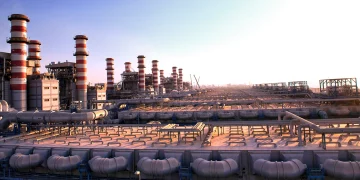
3. Desalination: The Region’s Giant Technological Lever
Desalination is the Middle East’s most powerful tool—and one it almost single-handedly pioneered. Today, Gulf countries produce more than 50% of the world’s desalinated water.
3.1. Modern Desalination Technologies
Thermal Desalination (MSF, MED)
- Uses heat to evaporate seawater
- Reliable but energy-hungry
- Dominated older Gulf infrastructure
Reverse Osmosis (RO)
- Uses high-pressure membranes
- Requires far less energy
- Becoming the global standard
3.2. The Innovation Frontier: Energy-Efficient Desalination
The next leap involves:
- Solar-powered desalination
- Graphene and advanced membranes that require lower pressure
- Zero-liquid discharge systems that limit marine brine pollution
- Modular micro-desalination units for rural or emergency use
Saudi Arabia’s NEOM project and UAE’s desalination R&D hubs are pushing these boundaries.
3.3. The Downsides: Desalination Isn’t a Magic Tap
Despite progress, desalination carries significant challenges:
- It consumes enormous amounts of energy unless renewable-powered
- Brine discharge harms marine ecosystems
- It creates dependency on expensive infrastructure
- It’s vulnerable to cyberattacks and geopolitical instability
Desalination is crucial but not a silver bullet. It solves municipal water needs but not agriculture—unless costs drop drastically.
4. Smart Agriculture: Grow More With Less Water
Because agriculture accounts for the vast majority of water use, the region’s crisis cannot be solved without transforming how food is produced.
4.1. Drip Irrigation: Israel’s Breakthrough
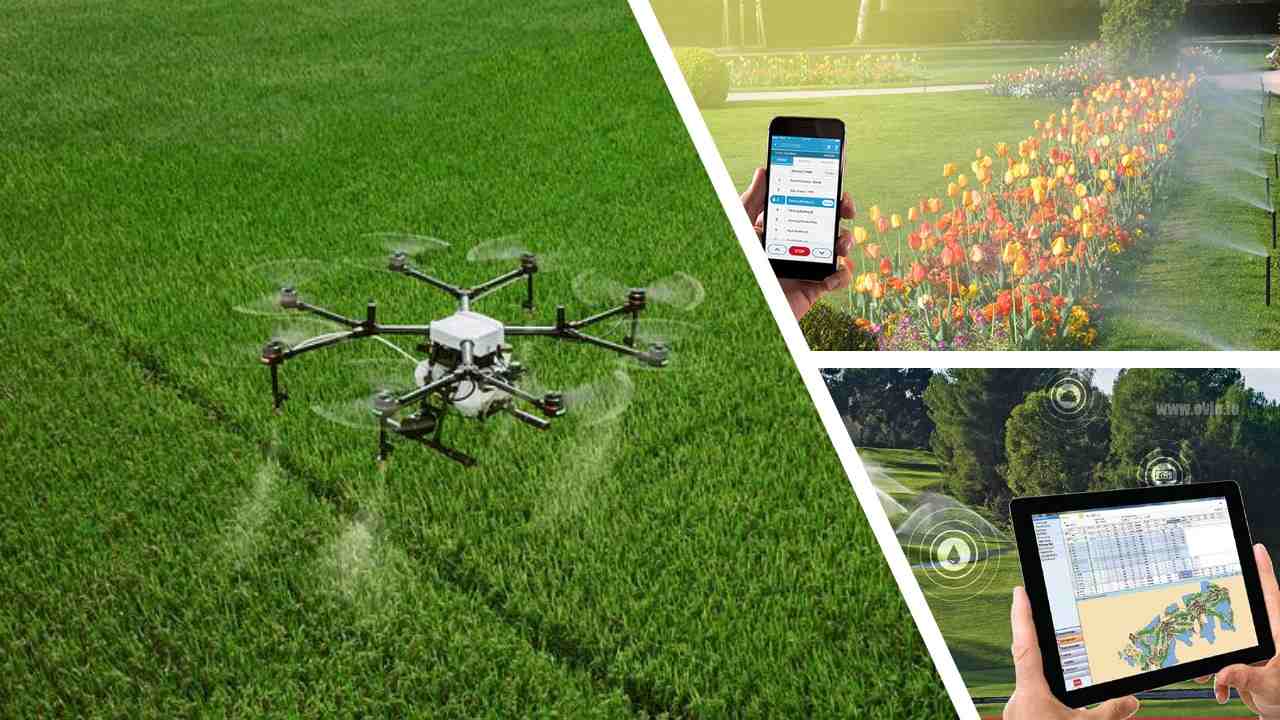
Israel revolutionized modern irrigation with drip and micro-drip systems, which deliver water directly to plant roots, cutting water use by up to 70–90%. These systems have spread rapidly across the region, though some nations still rely heavily on wasteful flood irrigation.
4.2. Next-Generation Farming Technologies
- AI-optimized irrigation using soil moisture sensors
- Desert-adapted hydroponics and aeroponics
- Climate-controlled greenhouses using recycled condensation
- Salt-tolerant crops and halophyte farming
- Vertical farms (especially in UAE, Qatar, and Saudi Arabia)
These systems dramatically reduce water usage—sometimes by up to 99% compared to traditional agriculture.
4.3. Reducing Water-Intensive Crops
Gulf states are increasingly abandoning or outsourcing water-intensive crops like:
- Wheat
- Barley
- Alfalfa
- Rice
Instead, they import these goods or invest in agricultural land abroad—a controversial but water-saving strategy.
5. Wastewater Recycling: The Region’s Untapped Goldmine
Urban wastewater is possibly the most underutilized resource in the Middle East. Today, highly developed nations like Singapore and Israel reuse over 80% of their wastewater. Many Middle Eastern countries recycle only small fractions.
5.1. What Modern Water Recycling Looks Like
Advanced treatment technologies can produce:
- Agricultural-grade reuse water
- Industrial cooling water
- Potable (drinking-quality) recycled water, known as “direct potable reuse” or DPR
Cities such as Abu Dhabi and Doha plan to integrate potable reuse into their future water strategies, while Israel already uses recycled water extensively in agriculture.
5.2. Why It Works for the Middle East
- Reliable even during drought
- Cheaper than desalination
- Reduces groundwater extraction
- Helps cool industrial infrastructure
- Low carbon footprint when energy-efficient
5.3. Public Perception: The Major Barrier
Many residents remain hesitant to drink treated wastewater—even though technology makes it cleaner than traditional sources. Public education and transparent monitoring systems will be essential for adoption.
6. Cloud Seeding: Making It Rain—Artificially
Cloud seeding is a controversial but increasingly used method to stimulate rainfall. The UAE is a global pioneer, running one of the largest cloud-seeding programs in the world.
6.1. How Cloud Seeding Works
- Planes inject silver iodide crystals or salts into clouds
- These particles encourage the formation of rain droplets
- Works only under specific atmospheric conditions
6.2. Effectiveness and Limitations
Cloud seeding can increase rainfall by 10–30% under ideal circumstances. But:
- It does not create rain out of thin air
- It requires existing clouds with sufficient moisture
- The water produced is unpredictable
- It cannot replace large-scale water systems
Still, as temperatures rise and natural rainfall becomes harder to predict, cloud seeding will likely remain part of the regional water portfolio.
7. Aquifer Management: Saving Ancient Water Before It’s Gone
The Middle East’s aquifers—some of them tens of thousands of years old—are being depleted rapidly. Technology can help.
7.1. AI-Based Groundwater Monitoring
Using satellite imagery, sensor networks, and machine learning, governments can now:
- Detect illegal wells
- Predict aquifer decline
- Monitor land subsidence
- Optimize pumping schedules
7.2. Managed Aquifer Recharge (MAR)
This involves injecting treated wastewater or floodwater back into underground reservoirs—essentially “banking” water for future use.

7.3. Reviving Ancient Systems with Modern Tools
Oman’s aflaj and Iran’s qanats are ancient underground water tunnels. They’re being restored using:
- Robotics
- Digital mapping
- Structural sensors
- Water-flow modeling
Blending tradition with technology offers sustainable, culturally integrated solutions.
8. Greywater Reuse: Small Changes, Big Impact
Greywater—wastewater from sinks, showers, and washing machines—is easier to treat than sewage and ideal for reuse in:
- Irrigation
- Toilet flushing
- Cooling systems
- Urban landscaping
Hotels, malls, and residential towers in the Gulf could drastically lower fresh-water demand by adopting building-scale greywater systems.
9. Smart Cities and Water AI: Managing Every Drop
A new generation of smart cities across the Middle East leverages technology to monitor, price, and conserve water.
9.1. Digital Water Networks
Using IoT sensors and advanced analytics, cities can:
- Detect leaks in real time
- Predict pipe failures
- Optimize pressure zones
- Integrate water and energy grids
9.2. AI-Driven Water Pricing and Demand Forecasting
Machine learning helps governments balance supply and demand while discouraging waste.
9.3. Smart Meters
Smart meters empower households and businesses to view water usage instantly, encouraging conservation and reducing systemwide inefficiencies.
10. Renewable Energy as the Backbone of Water Technology
A hidden challenge of water technology in the Middle East is energy. Desalination, pumping, cooling, and treatment plants require massive power. Fortunately, the region is becoming a global leader in solar energy.
10.1. Solar Desalination
Gulf megaprojects aim to run desalination entirely on solar power, drastically reducing costs and emissions.
10.2. Green Hydrogen as an Industrial Cooling Medium
As green hydrogen projects expand, they can integrate water-recycling systems that reduce the cooling water footprint of industrial plants.
10.3. Solar-Powered Irrigation and Smart Farms
Solar irrigation systems enable farmers in remote areas to run pumps and sensors without grid access.
11. The Economics: Can Technology Be Scaled?
Technology exists—but can the region afford it at scale?
11.1. Wealthier Nations Lead (For Now)
Saudi Arabia, UAE, Qatar, and Israel invest billions in water tech. Their projects serve as laboratories for the entire region.
11.2. Middle-Income Nations Face Obstacles
Jordan, Egypt, Morocco, and Tunisia need lower-cost solutions and international support.
11.3. Conflict Zones Require Resilient, Modular Tech
Iraq, Yemen, Syria, and parts of Lebanon benefit more from compact, decentralized systems—micro desalination, solar pumps, mobile treatment units—than megaprojects.
11.4. Private-Public Partnerships Are Key
The region is increasingly funding water tech through public-private frameworks, reducing government burden and encouraging innovation.
12. Social and Political Barriers—The Human Side of Water Tech
Technology alone cannot solve a problem rooted in behavior, governance, and trust.
12.1. Public Perception Challenges
- Resistance to drinking recycled water
- Cultural preferences for certain crops
- Fear of “unnatural” weather modification
- Distrust of data-based management systems
12.2. Regulatory Gaps
Some countries lack modern water laws, enabling:
- Illegal drilling
- Water theft
- Over-irrigation
- Price distortions
12.3. Geopolitics: Shared Rivers, Shared Problems
Technology can reduce but never eliminate the need for cross-border cooperation.
13. The Future: What a Tech-Powered Water System Could Look Like in 2050
Imagine the Middle East in 2050 if water technology reaches full deployment.
- Cities run on solar-powered desalination integrated into national smart grids.
- Agriculture uses 90% less water thanks to AI irrigation, vertical farms, halophytes, and hydroponics.
- Treated wastewater meets more than half of municipal demand.
- Aquifers recharge automatically during winter flood seasons.
- Cloud seeding increases rainfall predictably as forecasting models improve.
- Ocean brine discharge becomes environmentally benign through mineral extraction systems.
- Households use smart meters linked to dynamic pricing.
- Regional water pipelines balance supply across borders.
- Public trust in potable reuse becomes normalized through transparent monitoring.
- Political conflict over water decreases as nations become less dependent on shared rivers.
This future is ambitious but technologically feasible—if politics, economics, and social norms evolve alongside engineering.
14. So, Can the Middle East Solve Its Water Crisis Through Technology?
The short answer:
Technology can dramatically reduce the crisis—but it cannot solve it alone.
The long answer:
The Middle East’s water scarcity is a multi-layered challenge involving climate, geography, politics, economics, culture, and technology. Innovation can generate new water, save existing water, and manage water more intelligently than ever before. Yet without reforms in governance, public engagement, crop selection, pricing policy, and international cooperation, technology will only delay—not eliminate—the crisis.
Still, the transformation unfolding today is profound. The region is rapidly becoming the world’s largest hub for water innovation, and its success will influence global solutions for arid regions from California to Central Asia.
Water may be the Middle East’s oldest challenge, but technology is giving it its best chance at a sustainable future yet.