




Introduction: When the Whistle Blows, Borders Blur
Few regions in the world carry as much historical weight, cultural richness, and geopolitical complexity as the Middle East. It is a land where civilizations flourished, religions emerged, trade routes converged, and—unfortunately—conflicts often unfolded. Yet, amid this complicated mosaic lies something surprisingly simple, universal, and profoundly connective: sports.
Whether it’s the roar of a stadium in Riyadh, a dusty football pitch in Amman, a padel court in Dubai, a fencing hall in Cairo, or a running track in Doha, sports function as a shared cultural language across the Middle East. It is a language that transcends dialects, tribal affiliations, and national identities; a language that unites.
Sports in the Middle East are not merely games or leisure—they are symbols of identity, vehicles for diplomacy, economic engines, and bridges between communities that might otherwise never engage with one another. They have become a regional mirror reflecting ambition, resilience, social evolution, and a collective desire for unity.
This article explores, in depth and with a lively tone, the multilayered role of sports in uniting the Middle East—from grassroots enthusiasm to state-sponsored mega-events, from women’s inclusion to soft-power geopolitics, from economic revitalization to cultural exchange.
Prepare for a journey through stadiums, stories, strategies, and social movement—because in the Middle East, sports are rarely just sports.
1. Shared Passions: The Cultural Glue Across Borders
1.1 Football as the Region’s Uncontested Common Ground
If there is a single sport that holds the Middle East together, it is football. The sport is practically woven into the fabric of everyday life, becoming a powerful social equalizer. Fathers and sons, university students, desert Bedouins, and cosmopolitan urbanites share the same emotional highs and lows during major matches.
Football clubs across the region inspire loyalty that crosses national boundaries—whether it’s the popularity of European giants like Real Madrid and Liverpool or regional powerhouses like Al Hilal, Al Ahly, and Al Sadd. These teams create fan networks that overlap and mingle across borders, blending communities under a single banner of passion.
Major regional tournaments—such as the Gulf Cup, AFC Asian Cup participation, and club-level competitions—serve as recurring reminders of how sports create unity that politics often cannot.
1.2 The Growth of Multi-Sport Culture
While football dominates, other sports have been gaining momentum and creating communities that span the region:
- Padel, the Middle East’s fastest-growing social sport
- Mixed martial arts, fueled by the UAE and Bahrain
- Motorsports, especially Formula 1, rally racing, and drifting
- Basketball, with strong fan cultures in Lebanon, Jordan, and Iran
- Combat sports like wrestling, judo, and fencing with deep historical resonance
- Running and cycling clubs, bringing together people from vastly different backgrounds
These diverse sporting cultures generate new channels for interregional friendships, creating a social ecosystem that thrives on participation instead of rivalry.
2. Sports as a Political and Diplomatic Bridge
2.1 The Soft Power of Sporting Spectacles
One of the most striking modern developments in the Middle East has been the region’s embrace of major international sports events. These mega-events are far more than entertainment—they are deliberate diplomatic strategies.
Countries like Qatar, the UAE, and Saudi Arabia have understood that sports act as soft-power tools capable of shaping global opinion, building regional alliances, and establishing long-term social cohesion.
The Middle East has hosted (or will host) an expanding lineup of global events:
- FIFA World Cup 2022
- Formula 1 Grands Prix in multiple countries
- UFC Fight Island in Abu Dhabi
- Asian Games and Arab Games
- FIFA Club World Cup editions
- Future Olympic aspirations
These events bring together diverse populations, foster regional pride, and catalyze collaboration among governments and private sectors across the Middle East.
2.2 Diplomacy on the Field: When Teams Become Ambassadors
Sports diplomacy in the Middle East often shines when national teams interact. Friendly matches between regional neighbors—even those with tense political histories—offer opportunities for symbolic gestures of goodwill.
Joint training camps, cross-border club collaborations, exchange programs for athletes, and shared sponsorship deals all contribute to a regional network of interdependency. In many cases, these sporting relationships remain stable even when governments disagree.
In this sense, sports become a neutral ground where communication continues when other channels falter.
3. Economic Integration Through Sports Industries
3.1 The Booming Regional Sports Economy
The Middle East’s sports industry has exploded over the last decade, creating a multi-billion-dollar ecosystem that binds countries through shared investments, partnerships, and commercial interests.
The sports economy now spans:
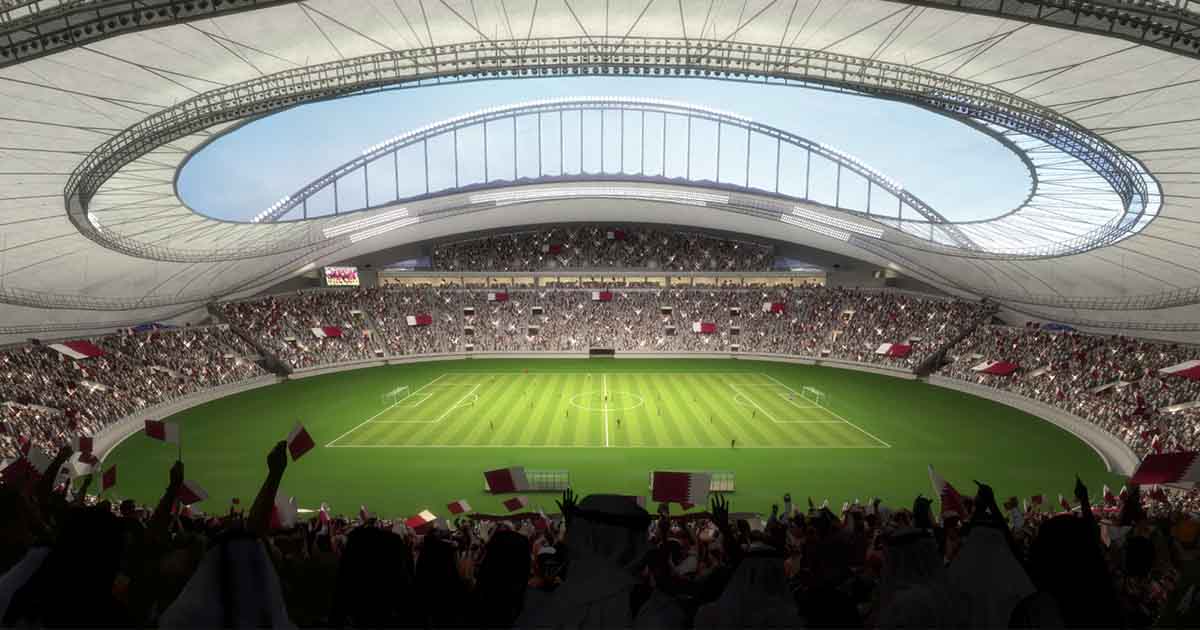
- Infrastructure development
- Tourism
- Broadcasting rights
- Sponsorships
- Sports academies and training centers
- Merchandising and branding
- Athlete talent pipelines
Cross-border investments—such as Gulf sovereign wealth funds buying global sports assets—give Middle Eastern countries shared stakes in international sports. These investments then circle back to inspire regional cooperation and co-investment.
3.2 Sports Tourism: A New Type of Mobility
Sports tourism brings unprecedented levels of regional mobility. Fans frequently travel between Middle Eastern cities for matches, tournaments, or marathons. This movement encourages cultural mingling, boosts local economies, and strengthens regional familiarity.
Large events reinforce regional travel networks, pushing countries to coordinate visas, flights, transport systems, and safety regulations. These technological and logistical partnerships often persist long after the events end.
4. Youth Empowerment and Social Transformation
4.1 Sports as a Social Safety Valve
In a region where the majority of the population is under 35, sports function as an essential outlet for energy, ambition, and self-expression. They create spaces for young people to form friendships, practice leadership, and build solidarity outside of political divisions.
Sports programs across the region—many supported by governments, NGOs, or international organizations—focus on:
- Conflict resolution
- Social inclusion
- Healthy lifestyles
- Community building
- Personal development
Through local clubs, school programs, and neighborhood leagues, youth from different backgrounds engage in teamwork and cooperation, reducing social fragmentation.
4.2 National Pride and Regional Pride Intertwined
When Middle Eastern athletes succeed on the global stage, their victories resonate throughout the region. Whether it’s football heroes, Olympic athletes, world-class fighters, or motorsport champions, their stories transcend national lines.
These achievements cultivate a sense of collective regional identity—one that celebrates excellence from any Middle Eastern nation as a win for all.
5. Women in Sports: A Transformational Force of Unity
5.1 The Rise of Women Athletes Across the Middle East
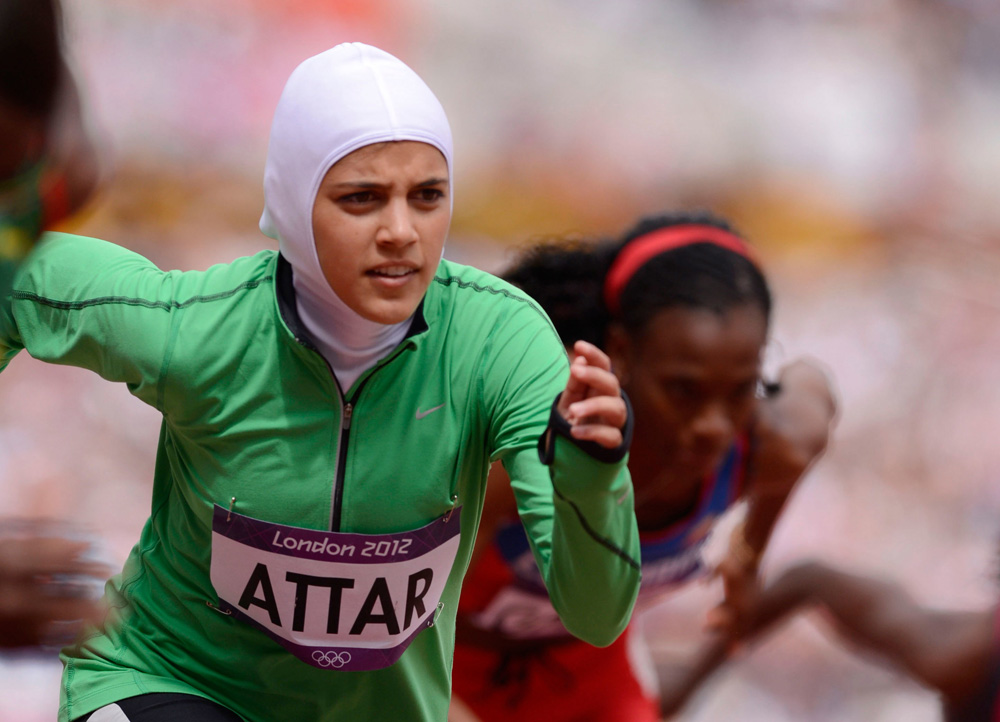
Women’s sports in the Middle East have grown dramatically and visibly. From football to fencing, racing to weightlifting, the emergence of female athletes has redefined norms, shattered stereotypes, and created new stories of inspiration shared across borders.
Major milestones include:
- Women’s football leagues rising in Saudi Arabia, the UAE, Jordan, and Lebanon
- Olympic participation and medal wins by Middle Eastern women
- High-profile campaigns promoting fitness and inclusion
- Regional cooperation to improve women’s training infrastructure
5.2 How Women’s Sports Promote Regional Solidarity
Women’s participation brings nations together through:
- Shared struggles for recognition
- Collective pride in progress
- Exchange programs fostering mutual support
- Pan-regional tournaments increasing visibility
The rise of women’s sports is one of the most promising and unifying social evolutions of the Middle East in recent decades.
6. Sports and Technology: A Digital Region Connected
6.1 Social Media Stadiums
The Middle East is one of the most digitally active regions on Earth. This creates online “stadiums” where millions of fans interact, debate, and celebrate together. These digital platforms transcend borders, forming communities bound by sporting passion rather than geography.
6.2 E-Sports: The New Regional Frontier
E-sports has become a powerful unifying force, especially among the region’s youth. Saudi Arabia, the UAE, and Qatar have positioned themselves as global hubs for gaming tournaments. These events bring together participants from across the Middle East, creating new shared identities that are entirely borderless.
7. Local Identity, Regional Identity, and the Beauty of Healthy Rivalry
7.1 Rivalries That Unite Instead of Divide
Sporting rivalries in the Middle East—whether club-level or national—are intense but generally constructive. They create narratives that captivate fans across the region, offering entertainment while still reinforcing a sense of shared cultural space.
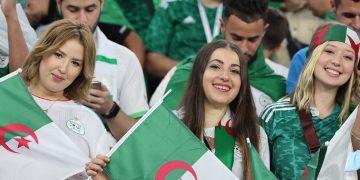
Matches like Egypt vs. Algeria, Iran vs. Iraq, and Gulf Cup clashes may spark high emotions, but they also bring millions together to witness unforgettable moments.
7.2 The Art of Cheering for a Neighbor
Interestingly, Middle Eastern fans often support each other’s national teams when their own team isn’t playing. This habit reinforces interregional empathy and creates a shared storyline of triumph and heartbreak.
8. The Future of Sports Unity in the Middle East
8.1 Mega-Projects That Could Define a New Era
Looking ahead, sports will continue shaping Middle Eastern unity through:
- Joint hosting bids for marquee tournaments
- Cross-regional athlete development programs
- Interconnected sports tourism strategies
- Collaborative e-sports ecosystems
- Regional sports leagues for women and youth
These initiatives indicate not just aspirations for athletic excellence, but a long-term social project to bind the region more closely together.
8.2 Sports as a Peace-Building Blueprint
Sports offer a model for interregional relations based on:
- Shared goals instead of conflicting interests
- Friendly competition instead of hostility
- Dialogue instead of division
Beyond the stadiums, sports provide valuable lessons in cooperation, discipline, fair play, and collective celebration—qualities that any region would benefit from in navigating its challenges.
Conclusion: When Unity Becomes a Team Sport
From football fields to racing tracks, from digital platforms to political arenas, sports in the Middle East play a transformative role that extends far beyond the scoreboards. They are catalysts for diplomacy, engines for economic growth, platforms for youth empowerment, and bridges between cultures.
Most importantly, sports create moments where millions of people across borders gasp, cheer, or sigh together—moments when differences fade and a shared identity emerges.
In a region often portrayed through the lens of conflict, sports remind us that unity is not only possible—it is already happening every time a ball is kicked, a finish line is crossed, or a crowd chants in unison.
The whistle blows. And for a moment, the Middle East is one.