










Introduction: A Shifting Global Landscape
The global economic map is changing. For decades, Western economies, led by the United States and Europe, dominated global trade. However, the 21st century has witnessed a remarkable pivot towards the Asia Pacific region. This shift is not merely a matter of statistics—it reflects deeper structural changes in global commerce, technology, and geopolitics. From bustling ports in Singapore to the high-tech corridors of South Korea and Japan, the Asia Pacific is increasingly positioned as the epicenter of trade, innovation, and commercial dynamism.
The question arises: Is Asia Pacific truly the new hub for global trade and commerce, or is this narrative overstated? To answer this, we must examine the region’s economic growth, trade patterns, technological advances, infrastructure development, and policy frameworks.
The Economic Powerhouse: Growth and Resilience
Asia Pacific encompasses a diverse range of economies, from the advanced markets of Japan and South Korea to emerging giants like China, India, and Indonesia. Collectively, these nations contribute a significant portion of global GDP. The region has demonstrated remarkable resilience in the face of economic turbulence, including the 2008 financial crisis and the COVID-19 pandemic.
- China: As the world’s second-largest economy, China has evolved from a manufacturing hub to a leader in high-tech industries and global trade networks. Its Belt and Road Initiative exemplifies its ambition to integrate Asia Pacific with global supply chains.
- India: With a rapidly growing middle class, expanding manufacturing sector, and increasing digitalization, India is poised to become a significant trade and investment destination.
- Southeast Asia: Countries like Vietnam, Thailand, and Malaysia have become manufacturing and export powerhouses, benefiting from competitive labor costs and strategic trade agreements.
The combined growth trajectory of these economies signals a shift in global trade gravity. According to projections, Asia Pacific is expected to account for more than 40% of global GDP by the next decade—a statistic that cannot be ignored by multinational corporations or policymakers.
Strategic Trade Networks
Trade in the Asia Pacific is supported by a dense web of ports, shipping lanes, and logistics hubs. The region is home to some of the world’s busiest ports, including:
- Singapore: Often dubbed the “Gateway to Asia,” Singapore’s port handles over 30 million twenty-foot equivalent units (TEUs) annually.
- Shanghai: The largest container port in the world, serving as a key artery for China’s exports.
- Hong Kong and Busan: Critical nodes in East Asia’s trade network.
These ports are not just logistical points—they are symbols of strategic trade connectivity. Asia Pacific’s dominance in shipping and logistics provides a structural advantage over other regions. Coupled with free trade agreements, such as the Comprehensive and Progressive Agreement for Trans-Pacific Partnership (CPTPP) and the Regional Comprehensive Economic Partnership (RCEP), businesses have strong incentives to engage with the region.
Technological Innovation as a Trade Catalyst
One cannot discuss Asia Pacific without acknowledging its technological prowess. The region is a global leader in semiconductors, electronics, e-commerce, and digital payments. South Korea and Japan remain at the forefront of hardware innovation, while China dominates e-commerce and fintech. Even smaller economies like Singapore and Taiwan are central to high-tech manufacturing and supply chains.
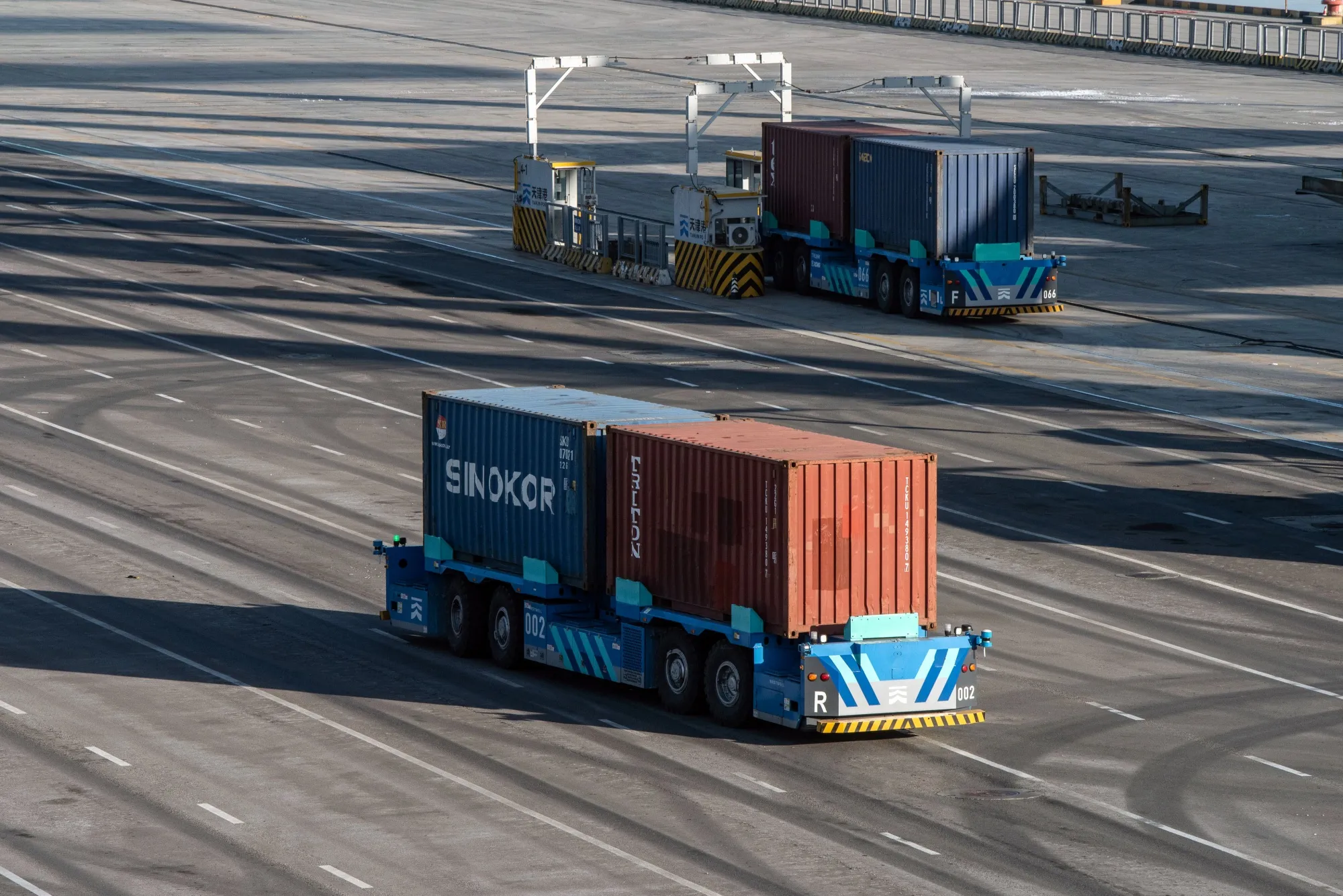
- Automation and AI: Factories in Asia are increasingly adopting automation and artificial intelligence, boosting efficiency and global competitiveness.
- Digital Trade Platforms: Companies such as Alibaba and Grab facilitate cross-border trade in ways previously unimaginable, bridging geographic gaps and simplifying international commerce.
- Smart Infrastructure: Singapore’s port, often described as a “smart port,” leverages IoT, AI, and predictive analytics to optimize trade flows.
By integrating technology into trade and logistics, Asia Pacific is not just a production hub—it is a center of innovation-driven commerce.
Policy and Governance: Creating an Attractive Trade Environment
Government policies across Asia Pacific actively encourage trade and foreign investment. Strategic policies include:
- Trade Liberalization: The region has aggressively pursued free trade agreements, reducing tariffs and creating predictable rules for international businesses.
- Infrastructure Investment: Massive investment in ports, roads, railways, and airports enhances trade efficiency.
- Innovation Incentives: Governments provide tax breaks, subsidies, and research grants to foster technological advancement and attract foreign investment.
Such supportive policy environments create a fertile ground for commerce, attracting multinational corporations seeking reliable hubs for production, distribution, and innovation.
Supply Chain Resilience: Lessons from the Pandemic
The COVID-19 pandemic exposed vulnerabilities in global supply chains. For many companies, over-reliance on single regions became a strategic risk. Asia Pacific responded by enhancing resilience through diversification and digital supply chain solutions.
- China: Strengthened its domestic supply networks while continuing to export critical goods.
- Vietnam and Thailand: Became alternative manufacturing bases for electronics, textiles, and automotive components.
- Digital Logistics: The adoption of blockchain and AI-powered logistics improved transparency and efficiency.
This adaptability not only mitigates risk but also reinforces Asia Pacific’s position as a preferred hub for global commerce.

Consumer Markets: A Growing Appetite
Trade is not only about production; it is also about consumption. Asia Pacific hosts more than half of the world’s population, with a rapidly expanding middle class. Rising disposable incomes and urbanization are creating vast consumer markets. This is transforming trade patterns:
- Luxury and Lifestyle Goods: Brands increasingly target consumers in China, India, and Southeast Asia.
- Technology and Electronics: Demand for smartphones, smart devices, and digital services is booming.
- Sustainable Products: Consumers are becoming more environmentally conscious, shaping global trade in green technologies and products.
The region is no longer just a manufacturing hub—it is a vibrant consumer market that attracts global commerce.
Challenges and Competitive Pressures
While Asia Pacific’s prospects are impressive, several challenges remain:
- Geopolitical Tensions: Disputes in the South China Sea, U.S.-China trade tensions, and regional rivalries can disrupt trade.
- Infrastructure Gaps: Not all economies have equally developed logistics or transport networks.
- Regulatory Diversity: Different legal and regulatory frameworks across nations can complicate cross-border trade.
Despite these challenges, the region’s strengths—size, growth, technology, and connectivity—provide compelling reasons for global businesses to remain engaged.
Cultural and Human Capital Advantages
Human capital is often overlooked in trade discussions. Asia Pacific boasts a young, dynamic workforce skilled in engineering, technology, finance, and management. Moreover, cultural diversity fosters innovation and adaptability. Multinational firms benefit from this talent pool when establishing regional headquarters or research and development centers.
Countries like Singapore and Hong Kong also offer highly educated, multilingual professionals, easing communication and operations for international businesses.
Future Prospects: A Hub of Innovation and Trade
Looking forward, Asia Pacific is poised to solidify its status as the global hub for trade and commerce. Emerging trends include:
- Green Trade: Increasing emphasis on sustainable manufacturing, renewable energy, and carbon-neutral logistics.
- Digital Transformation: Expansion of e-commerce, digital payment systems, and smart trade networks.
- Regional Integration: Continued collaboration through trade pacts, harmonized regulations, and cross-border infrastructure projects.
If these trends continue, the Asia Pacific will not merely participate in global trade—it will shape its rules, standards, and future direction.
Conclusion: The New Epicenter of Global Commerce
Asia Pacific is no longer just a rising region—it is rapidly becoming the new hub for global trade and commerce. Its economic scale, trade networks, technological innovation, policy support, consumer markets, and human capital converge to create a dynamic, resilient, and forward-looking ecosystem. While challenges persist, they are far outweighed by the region’s structural advantages and growth trajectory.
For businesses, investors, and policymakers, understanding Asia Pacific is no longer optional—it is essential. As the global center of gravity continues to shift eastward, those who engage with this vibrant region will likely define the next era of global trade and commerce.