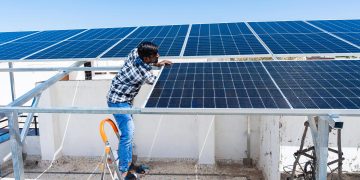










The Asia Pacific (APAC) region, consisting of diverse and rapidly evolving economies, is poised to be at the forefront of the global green technology revolution. Green technology refers to any technology that uses resources efficiently and contributes to sustainable development, while mitigating environmental harm. The shift towards clean energy, sustainability, and environmentally friendly practices is not only a global necessity but a burgeoning industry with immense economic potential. In this article, we will delve into the future prospects of the green technology market in the Asia Pacific, analyzing the driving forces, key trends, regional variations, and challenges faced by businesses and governments alike.
The Landscape of Green Technology in Asia Pacific
Asia Pacific is home to more than half of the world’s population and accounts for a significant portion of global greenhouse gas emissions. However, it is also a region where rapid urbanization, industrialization, and technological advancements are creating new opportunities for sustainable development. Countries like China, India, Japan, South Korea, and Australia are leading the charge in adopting green technologies and incorporating sustainability into their economic models.
China: The Green Superpower
China has already established itself as a leader in green technology, both in terms of production and adoption. The country is the world’s largest producer of solar panels, wind turbines, and electric vehicles (EVs). Its ambitious “Made in China 2025” initiative aims to reduce carbon emissions and boost clean energy technologies. Additionally, China’s government has been heavily investing in renewable energy and implementing policies to promote green technologies.
China’s push towards green technology is not just about reducing emissions but also about improving energy security and reducing reliance on fossil fuels. For example, the country has set targets for increasing renewable energy capacity and aims to be carbon neutral by 2060. This makes China a crucial player in the APAC green technology market, as its policies and investments often shape trends in neighboring countries.
India: Harnessing Green Energy for Economic Growth
India is another emerging powerhouse in the green technology market. With one of the fastest-growing economies in the world and a burgeoning population, the need for sustainable energy solutions is more pressing than ever. India’s renewable energy market, especially in solar power, has grown exponentially in recent years, fueled by government policies such as the National Action Plan on Climate Change (NAPCC) and the Solar Energy Corporation of India (SECI).
India’s government has set ambitious renewable energy targets, aiming to achieve 175 GW of renewable energy capacity by 2022, and 500 GW by 2030. The country is also witnessing a surge in electric vehicle adoption, with major automakers committing to EV production. India’s push towards green technology is not just environmental; it is also a key strategy for ensuring long-term energy security and creating green jobs.
Japan: Innovation in Sustainability
Japan, known for its technological prowess, has been incorporating green technology into its development strategies for decades. After the 2011 Fukushima nuclear disaster, Japan accelerated its transition to renewable energy, focusing particularly on solar and wind energy. The government has also been exploring innovative solutions such as hydrogen fuel cells and energy-efficient technologies to create a sustainable future.
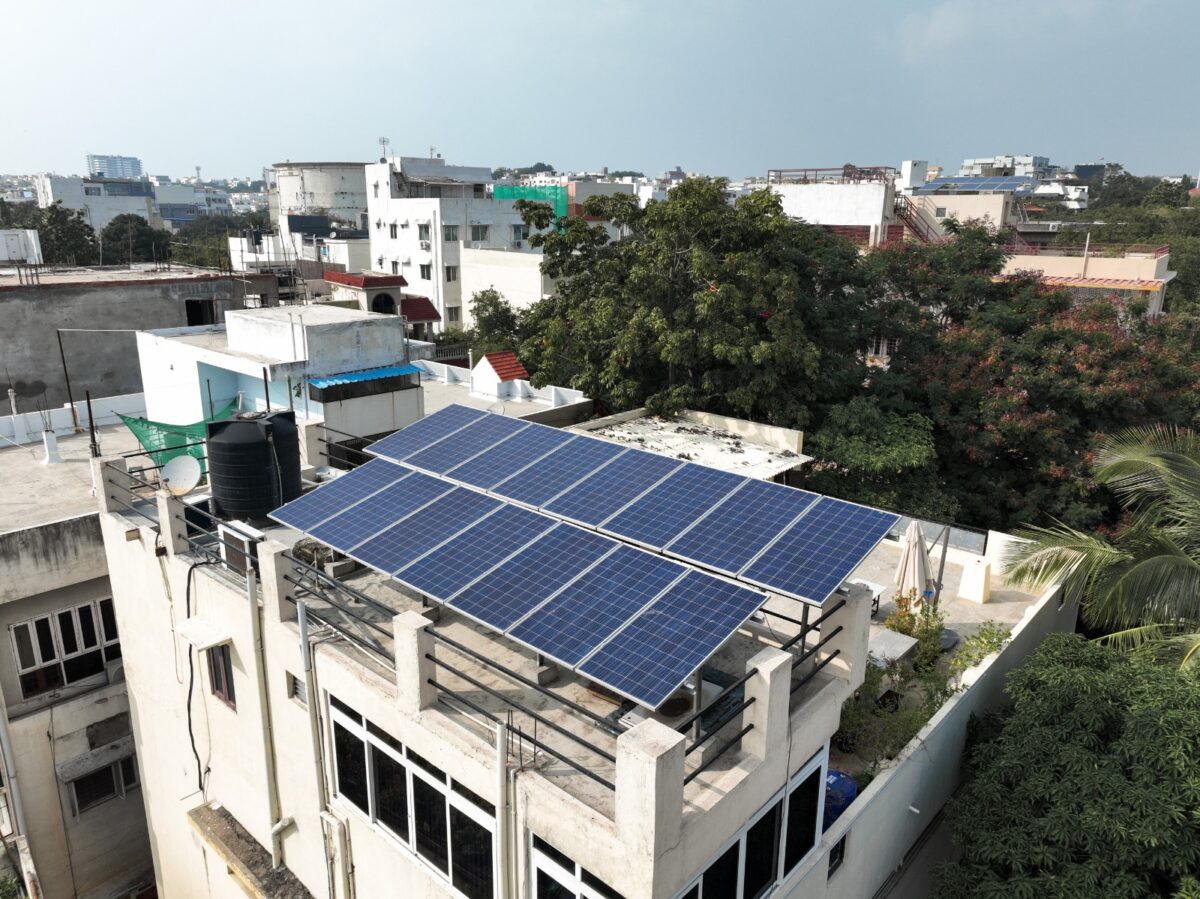
Japanese corporations like Toyota, Panasonic, and Mitsubishi are heavily invested in developing green technologies, from hybrid vehicles to solar energy solutions. Japan is also a leader in environmental research, particularly in the fields of sustainable infrastructure, waste management, and energy efficiency. The country’s expertise in green technology positions it as a crucial player in both regional and global markets.
South Korea: Green Growth as a National Priority
South Korea has adopted “Green Growth” as part of its national development strategy. The government’s emphasis on green technology is evident in its plans to integrate renewable energy, green manufacturing, and sustainable urban planning into its economic framework. South Korea aims to be carbon neutral by 2050 and is investing heavily in smart grids, hydrogen fuel, and electric mobility.
In addition to government initiatives, South Korean companies like Hyundai, LG, and Samsung are pioneering advancements in energy-efficient products, electric vehicles, and clean technologies. The country is also becoming a global leader in hydrogen fuel cell technology, with plans to establish hydrogen-powered cities and expand the use of fuel cells in transport and industrial sectors.
Australia: A Green Energy Leader in the Pacific
Australia’s green technology market is relatively small compared to its larger neighbors, but it is quickly growing. With vast natural resources, the country is in an ideal position to develop renewable energy solutions, particularly solar and wind power. Australia has abundant sunshine and coastal winds, making it an ideal candidate for harnessing renewable energy.
The Australian government has also made strides toward promoting electric vehicles and reducing emissions. Australia is working towards carbon neutrality by 2050 and investing in green hydrogen, bioenergy, and battery storage systems. Although political debates over climate change persist, there is a growing consensus around the need for green technologies as part of a sustainable future.
Key Drivers of the Green Technology Market in Asia Pacific
1. Government Policies and Regulations
Government policies are among the most significant drivers of green technology adoption in the Asia Pacific. Many countries in the region have set ambitious targets for reducing carbon emissions, transitioning to renewable energy, and improving energy efficiency. For instance, China’s pledge to become carbon neutral by 2060 and India’s renewable energy target of 500 GW by 2030 are setting the stage for large-scale green technology investments.
Incentives such as subsidies, tax breaks, and investment in research and development are also motivating businesses to adopt green technologies. Furthermore, increasing environmental regulations in countries like Japan and South Korea are encouraging industries to innovate and reduce their ecological footprints.
2. Corporate Sustainability Goals
Increasingly, businesses are adopting sustainability as a core component of their strategies. This shift is partly driven by consumer demand for environmentally responsible products and services but is also influenced by regulatory pressure. Leading companies in APAC, including Samsung, Toyota, and Tata Group, are making significant investments in renewable energy, EV production, and green technologies.
Furthermore, green technology offers businesses long-term cost savings through energy efficiency, waste reduction, and improved operational performance. Many businesses in the region are now recognizing that sustainability can drive both profitability and corporate reputation.

3. Technological Advancements
Rapid advancements in green technologies—such as energy storage, solar power, wind energy, and electric mobility—are accelerating the transition to a more sustainable future. Cost reductions in solar panel production, battery technology, and wind turbine manufacturing are making renewable energy more accessible and economically viable.
Moreover, emerging technologies such as blockchain for energy trading, AI-powered energy management, and smart grids are transforming the way energy is produced, distributed, and consumed. These innovations offer immense potential for improving energy efficiency and reducing environmental impact.
4. Rising Public Awareness
Public awareness of climate change and environmental degradation has significantly increased in recent years, especially in APAC countries like India, Japan, and Australia. Citizens are becoming more conscious of their carbon footprints and are increasingly demanding sustainable products and services. This shift in consumer behavior is driving the adoption of green technologies, from electric vehicles to eco-friendly appliances.
5. Financing and Investment
Green financing is gaining traction in Asia Pacific. Financial institutions, impact investors, and governments are investing billions in clean energy, sustainable infrastructure, and eco-friendly technologies. The rise of green bonds and other financial instruments has made it easier for companies to secure funding for green projects.
Additionally, the private sector is recognizing the long-term profitability of sustainable investments. With global investment flows directed toward sustainability, APAC countries are poised to see a surge in green technology-related capital inflows.
Challenges Facing the Green Technology Market in Asia Pacific
Despite the immense growth prospects, the green technology market in Asia Pacific faces several challenges.
1. Infrastructure and Grid Integration
While many APAC countries are investing in renewable energy, the integration of these technologies into existing infrastructure remains a major challenge. In countries like India and China, the grid infrastructure may not be fully equipped to handle large-scale renewable energy sources like wind and solar. Furthermore, energy storage solutions, such as batteries, need to improve in terms of efficiency and affordability to ensure a stable energy supply.
2. Regulatory Hurdles
The regulatory landscape for green technologies can vary significantly across APAC countries, which can create barriers for companies seeking to expand regionally. While countries like Japan and South Korea have established clear frameworks for green technology adoption, others, such as India and Indonesia, face challenges in implementing consistent and transparent policies.
3. Economic and Political Factors
In some countries, political instability or shifting government priorities can affect the pace of green technology adoption. For example, in Australia, debates over climate change policies have sometimes hindered progress on green technology initiatives. Economic factors such as high initial capital costs for green technology projects can also limit their widespread adoption.
4. Public Perception and Acceptance
In some regions, public awareness and understanding of green technologies remain low. For instance, while electric vehicles are gaining popularity in urban areas of China and Japan, they are still viewed with skepticism in rural parts of India and Southeast Asia. Education and outreach will be necessary to build trust and ensure the widespread adoption of green technologies.
Conclusion: A Green Future Awaits Asia Pacific
The green technology market in Asia Pacific is on an exciting trajectory, with strong growth prospects across key sectors such as renewable energy, electric mobility, and sustainable infrastructure. While there are challenges to overcome—such as infrastructure limitations, regulatory hurdles, and public awareness—there is no doubt that the region’s commitment to green growth is transforming industries and economies.
In the coming decades, Asia Pacific’s green technology market will likely become a central pillar of the global green economy. As governments, businesses, and individuals continue to prioritize sustainability, Asia Pacific has the potential to lead the way in creating a greener, more sustainable future for all.