





The Middle East, long synonymous with oil wealth and geopolitical significance, is experiencing a profound shift in its economic landscape. For decades, oil and gas have been the lifeblood of the region’s economies, but a growing recognition of the need for economic diversification is steering many countries toward new growth drivers. Amid global energy transitions, environmental concerns, and fluctuating oil prices, the Middle East’s leaders are now exploring sustainable, innovative ways to future-proof their economies. This article delves into how the Middle East is navigating its economic diversification, with a focus on key sectors like tourism, technology, renewable energy, and finance, as well as the challenges and opportunities that lie ahead.
The Imperative for Diversification
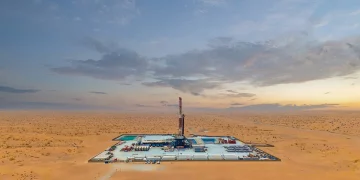
Economic diversification is not a mere luxury for the Middle East; it’s a necessity. Countries in the region are looking beyond their vast oil reserves, as a growing number of challenges threaten their long-term economic stability. Global oil price volatility, coupled with environmental pressures and the increasing urgency of sustainable development, has prompted these nations to take bold steps toward reducing their dependence on fossil fuels.
Saudi Arabia, the largest economy in the region, has long been at the forefront of these efforts, launching its ambitious Vision 2030 plan in 2016. The Vision’s main goal is to reduce Saudi Arabia’s reliance on oil and develop non-oil sectors like entertainment, tourism, and technology. Similarly, the United Arab Emirates (UAE), Qatar, Kuwait, and Bahrain are also pursuing diversification strategies to reshape their economies in line with global trends.
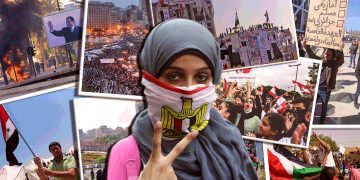
But the path to diversification is not without its hurdles. From political challenges to regional instability, the Middle East faces a unique set of obstacles that other parts of the world may not encounter. Despite these challenges, there are many promising signs that the region is making meaningful progress toward a more diverse and resilient economic future.
The Rise of Non-Oil Sectors
Tourism: From Desert to Destination
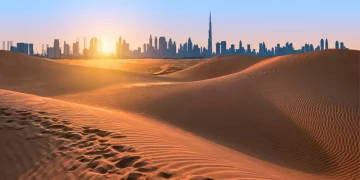
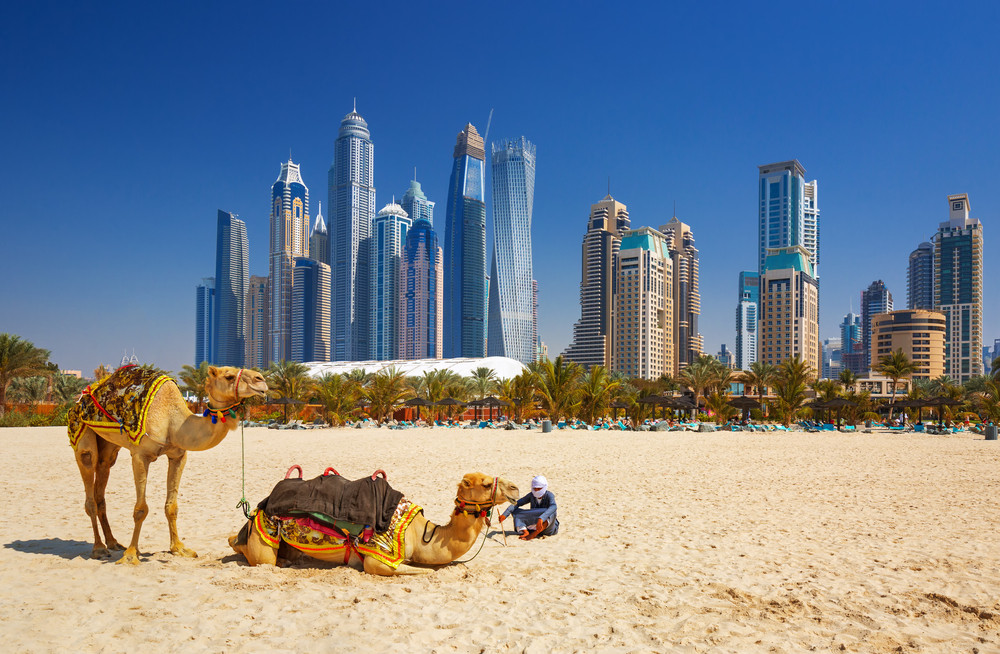
One of the most prominent areas in which Middle Eastern countries are looking to diversify is tourism. Countries like the UAE and Qatar have transformed their once-barren deserts into glittering hubs for luxury tourism. In Dubai, for instance, the Burj Khalifa, Palm Jumeirah, and world-class shopping malls have redefined what it means to visit the Middle East. Meanwhile, Abu Dhabi’s Louvre Museum and Qatar’s burgeoning art scene have positioned the region as a cultural destination on the global map.
For Saudi Arabia, the diversification effort in tourism has reached a new milestone with the launch of the NEOM project, a $500 billion mega-city designed to attract global business and tourism. NEOM is a futuristic city that blends artificial intelligence, sustainable living, and luxury tourism, aiming to draw millions of visitors annually.
In addition to luxury tourism, many Middle Eastern countries are promoting religious tourism, particularly in Saudi Arabia, where millions of Muslims travel annually for the Hajj pilgrimage. The country is investing heavily in expanding infrastructure to support the influx of pilgrims and is also making efforts to attract more tourists beyond religious visits. The shift toward non-religious tourism is part of the kingdom’s broader strategy to attract global tourists and boost the economy.
Technology: Innovating for the Future
As the world moves toward digitalization, technology has become another key pillar of economic diversification in the Middle East. The UAE, with its Dubai Internet City and initiatives like Smart Dubai, has positioned itself as a regional tech hub. Startups are thriving, particularly in areas such as fintech, e-commerce, and artificial intelligence. In fact, Dubai is already home to one of the most developed blockchain ecosystems in the world.
In Saudi Arabia, the government has made it clear that technology is central to its Vision 2030. The kingdom is investing heavily in artificial intelligence, robotics, and cybersecurity. By supporting the development of local tech ecosystems and attracting international firms, Saudi Arabia hopes to create an economy that is less reliant on oil and more focused on knowledge-based industries.
Qatar is similarly ramping up its investment in technology, with a focus on education, research, and development. The country’s investment in innovation hubs and educational institutions, such as Qatar University and the Qatar Science and Technology Park, highlights its commitment to becoming a leader in tech.
Renewable Energy: Powering the Future
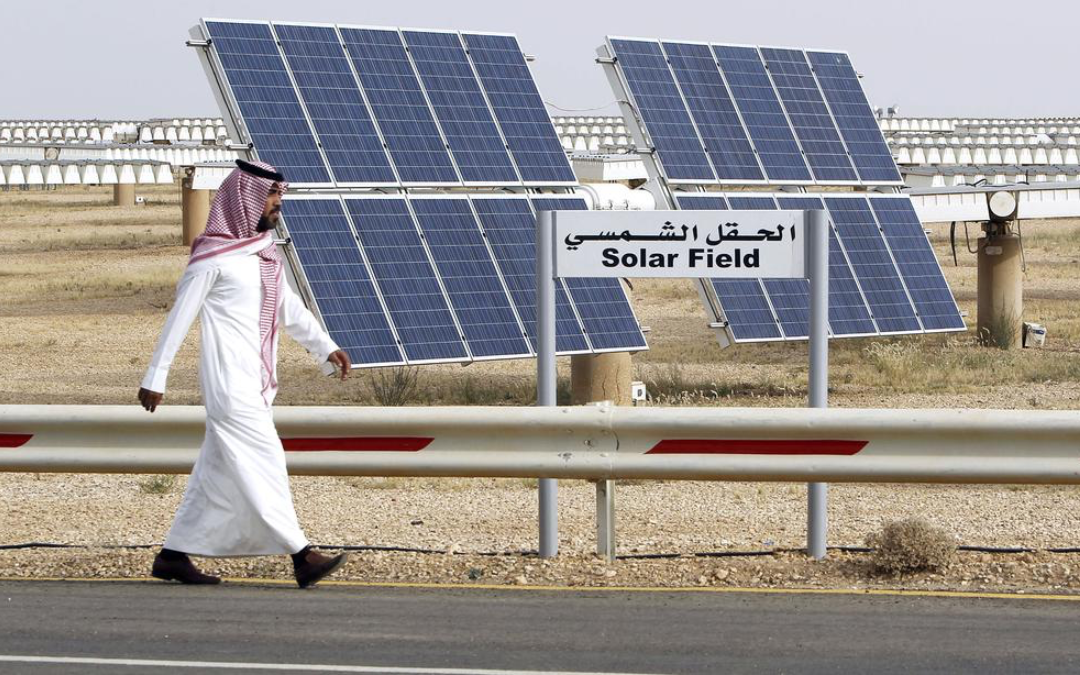
The Middle East may be home to some of the world’s largest oil reserves, but it is also becoming a key player in renewable energy. The region’s abundant sunlight and vast deserts make it an ideal location for solar power, and many countries are increasingly turning to the sun to meet their energy needs.
The UAE, for example, has become a leader in solar energy with the development of the Mohammed bin Rashid Al Maktoum Solar Park, one of the largest solar power projects in the world. Similarly, Saudi Arabia is investing heavily in solar and wind energy, as part of its goal to generate 50% of its energy from renewable sources by 2030. The kingdom’s renewable energy push is not only about diversifying its economy, but also about preparing for the future when global demand for oil may decline.
Qatar is also making strides in renewable energy, with a focus on natural gas, solar energy, and hydrogen. The country has invested in technology to harness these resources more efficiently and is seeking to position itself as a leader in clean energy in the coming years.
Financial Services: A Regional Hub for Investments
A robust financial services sector is another key component of the Middle East’s diversification strategy. The UAE, particularly Dubai, has emerged as a regional financial hub, offering a favorable business environment, low taxes, and state-of-the-art infrastructure. The Dubai International Financial Centre (DIFC) hosts over 2,000 companies, including major international banks, investment firms, and insurance companies.
Saudi Arabia has also been expanding its financial sector as part of its Vision 2030 reforms. The country has been opening up its capital markets to foreign investors and has launched initiatives to strengthen the financial regulatory environment. One of the most notable developments in recent years has been the successful listing of Saudi Aramco, the world’s largest oil company, on the stock exchange. This move not only brought in substantial foreign investment but also sent a message about the kingdom’s commitment to economic diversification.
Key Challenges to Economic Diversification
Despite the promising strides being made, the Middle East’s diversification efforts face several significant challenges.
Political Instability and Conflict
One of the most pressing challenges to economic diversification in the region is the ongoing political instability and conflict. While countries like the UAE and Qatar have enjoyed relative stability, other countries, such as Yemen, Syria, and Iraq, have experienced turmoil, making it difficult to attract foreign investment and foster sustainable economic growth.
Political disagreements between Gulf Cooperation Council (GCC) members, as seen in the 2017 blockade of Qatar by Saudi Arabia, the UAE, Bahrain, and Egypt, also complicate efforts at regional integration and collective economic development. These tensions have the potential to derail diversification efforts if not addressed effectively.
Dependence on Oil and Gas
Although the region is making strides toward diversification, the dependence on oil and gas remains deeply ingrained in many Middle Eastern economies. Oil still accounts for a significant portion of government revenue in countries like Saudi Arabia, Kuwait, and Iraq, making it difficult to fully transition away from fossil fuels in the short term. Moreover, the volatility of global oil prices can have a destabilizing effect on the economy, making diversification an urgent but challenging task.
Talent and Education Gaps
Another significant barrier to successful economic diversification is the region’s talent gap. While the Middle East has made considerable investments in education and innovation, many countries still face shortages of skilled workers in emerging sectors like technology and renewable energy. Attracting top global talent and fostering homegrown innovation will be crucial for ensuring the long-term success of diversification efforts.
Opportunities for the Future
Despite these challenges, there are considerable opportunities for the Middle East to position itself as a global leader in various industries. For example, the region’s geographic location, which bridges Europe, Asia, and Africa, makes it an ideal trade hub. Leveraging this strategic positioning could allow Middle Eastern countries to become key players in international trade, particularly in the context of the Belt and Road Initiative and the growing importance of emerging markets.
The region’s investments in infrastructure, from airports and ports to advanced public transportation systems, are another opportunity to boost growth. The Middle East is already home to some of the world’s most modern infrastructure, and continued development in this area will further support economic diversification.
Conclusion: Navigating the Future
The Middle East’s journey toward economic diversification is a long-term and challenging endeavor, but one that is essential for ensuring sustainable growth. While oil will remain a critical component of many economies in the region, countries are increasingly looking toward non-oil sectors like tourism, technology, renewable energy, and finance to build resilient and diversified economies. The region’s investment in infrastructure, innovation, and education will be key to shaping its economic future. With strategic planning and continued effort, the Middle East can successfully navigate its diversification and emerge as a global leader in new industries.