








In recent decades, the discourse surrounding mental health has taken a significant global turn. Previously confined to national or regional concerns, mental health has now emerged as a universal issue, demanding attention not only from healthcare professionals but also from governments, organizations, and individuals across the world. The idea of “Global Mental Health” has become a topic of great interest, raising an important question: Is there such a thing as global mental health?
To answer this, it is crucial to understand both the scope and complexity of mental health as a concept, how it manifests across different cultures, and the challenges involved in addressing mental health on a global scale.
Understanding Mental Health: A Universal Concept?
Mental health, in its simplest form, refers to a person’s emotional, psychological, and social well-being. It affects how individuals think, feel, and act, and it plays a pivotal role in determining how they cope with the stresses of life, relate to others, and make choices. Given the essential nature of mental health in every human’s life, one could argue that it is a universal issue.
However, despite its universal importance, the experience of mental health, as well as the way it is treated and understood, varies widely across the globe. Mental health conditions such as depression, anxiety, and schizophrenia exist everywhere, but the prevalence rates, cultural interpretations, and responses to these conditions differ significantly from one society to another. For instance, while the Western world often focuses on individual therapeutic methods like cognitive-behavioral therapy (CBT) or medication, many non-Western cultures may turn to traditional healing practices, spiritual approaches, or community-based solutions.
Thus, while mental health as a concept may be universal, its expression and treatment are not.
The Rise of Global Mental Health
The concept of Global Mental Health (GMH) emerged in the early 2000s, driven by growing recognition that mental health disorders affect people worldwide and that existing services were inadequate to address these issues in many parts of the globe. The movement seeks to highlight the importance of mental health as a global issue, emphasize the need for equitable access to mental health care, and advocate for the integration of mental health into public health policies.
In 2007, the World Health Organization (WHO) formally recognized the importance of mental health at a global level. Mental health was acknowledged as an integral part of public health, with the WHO calling for greater international efforts to address mental health challenges. This included an emphasis on improving access to care in low- and middle-income countries, where mental health services are often underfunded or non-existent.
The Global Burden of Mental Illness

According to the WHO, mental health disorders are among the leading causes of disability worldwide. They account for a significant portion of the global burden of disease, with depression being the leading cause of disability. Anxiety disorders, bipolar disorder, schizophrenia, and substance use disorders also contribute heavily to the global disease burden.
The statistics are alarming: approximately one in four people worldwide will experience a mental health condition in their lifetime, and around 800,000 people die by suicide each year—suicide being the second leading cause of death among 15-29-year-olds globally. Despite the widespread prevalence of mental health issues, the resources allocated to mental health care remain disproportionately low.
A major challenge is the fact that mental health services are often limited in low- and middle-income countries. A significant shortage of trained professionals, inadequate healthcare infrastructure, and societal stigma surrounding mental health all contribute to the crisis. In many countries, mental health is still not considered a priority, and people with mental health disorders often face neglect, discrimination, or even abuse.
Cultural Contexts and the Complexity of Mental Health
One of the main challenges in developing a truly global approach to mental health is the cultural context in which mental health issues manifest. Different cultures have distinct ways of understanding and interpreting mental health problems. For example, in Western societies, conditions like depression and anxiety are commonly recognized and treated as medical issues. But in other parts of the world, these same symptoms may be perceived through the lens of social or spiritual problems.
In parts of Africa, mental health conditions might be explained as the result of supernatural forces or spiritual possession. Similarly, in some Asian countries, mental health disorders may be linked to family shame and personal failure, rather than understood as treatable medical conditions.
This cultural variance in understanding mental health underscores the challenges involved in creating a one-size-fits-all global framework for mental health. It also highlights the importance of cultural sensitivity in the delivery of mental health services. A global approach to mental health must therefore be flexible, adaptable, and responsive to the cultural contexts in which it is being applied.
The Role of Technology in Global Mental Health
In recent years, technology has played an increasingly important role in shaping the landscape of global mental health. Telemedicine, online counseling, mental health apps, and digital interventions have made it possible to reach individuals in remote or underserved areas. These technological innovations offer new ways of providing mental health services to people who might otherwise be unable to access them.
For instance, mental health apps that provide cognitive behavioral therapy (CBT) have become widely available and accessible to people across the world. Telepsychiatry and online therapy have made it easier for people to consult with professionals, regardless of geographical barriers. In countries where mental health professionals are scarce, these digital platforms are playing a crucial role in filling the gaps.
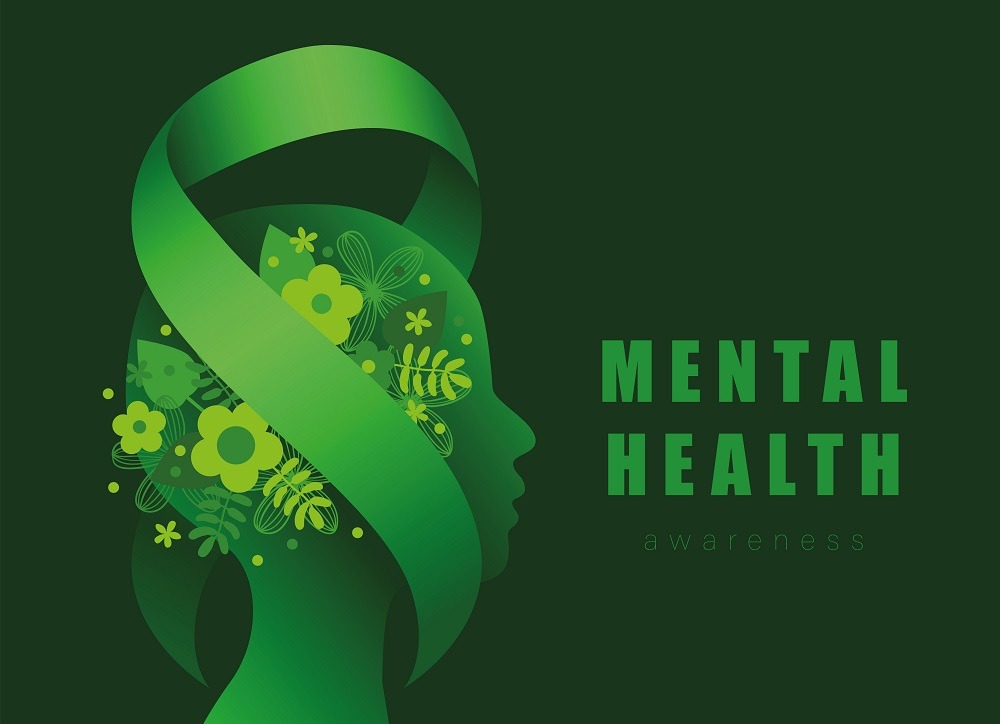
Moreover, social media has become a platform for discussing mental health in ways that were previously impossible. People can now share their stories, support one another, and raise awareness about mental health issues globally. The #MentalHealthAwareness hashtag, for instance, has been used millions of times to promote dialogue and reduce stigma surrounding mental illness.
However, technology’s role in mental health is not without its challenges. The rise of social media has also been linked to mental health issues, particularly among young people. Cyberbullying, social comparison, and the pressure to maintain a curated online persona can contribute to feelings of anxiety, depression, and loneliness.
Global Initiatives and Responses
Many international organizations are working to improve global mental health. The WHO’s Comprehensive Mental Health Action Plan, which was endorsed in 2013, is a key example of a global initiative aimed at addressing mental health. The plan emphasizes the need for increased investment in mental health services, the integration of mental health into primary healthcare, and the promotion of mental health awareness.
In addition, organizations like the World Federation for Mental Health (WFMH) and Mental Health America (MHA) have worked to raise awareness and advocate for policy changes on a global scale. The United Nations has also recognized mental health as a critical issue, with the inclusion of mental health targets in its Sustainable Development Goals (SDGs).
Despite these efforts, progress has been slow, and the gap between those who need care and those who receive it remains vast. One of the primary reasons for this is the stigma associated with mental health. In many parts of the world, mental illness is still seen as a sign of weakness, and people who suffer from mental health issues often face discrimination, exclusion, or worse.
The Future of Global Mental Health
As we look to the future, the global mental health landscape will continue to evolve. Increased awareness, better access to care, and the integration of mental health into global health policy will be essential in addressing the growing burden of mental illness. In addition, efforts to combat stigma and cultural barriers to seeking help will play a critical role in encouraging people to seek the help they need.
One of the most promising areas for the future of global mental health is the continued development of mental health education and awareness campaigns. Global campaigns like World Mental Health Day, which is observed on October 10 each year, are helping to bring attention to mental health issues and reduce stigma worldwide. The more mental health is normalized as a critical aspect of human well-being, the more likely it is that individuals will seek help when needed.
Moreover, mental health research is gaining momentum, with organizations like the Global Mental Health Initiative and the Lancet Psychiatry pushing for greater funding and attention to mental health research. New findings about the links between mental health and physical health, the biological underpinnings of mental illnesses, and the effectiveness of different treatment approaches are shaping how we think about and treat mental health globally.
Ultimately, the future of global mental health depends on collaboration—between countries, organizations, cultures, and disciplines. Only through collective action can we hope to address the complex and multifaceted nature of mental health and work toward creating a world where mental well-being is prioritized and accessible to all.