






The Middle East is a region of paradoxes: ancient civilizations flourish alongside gleaming modern cities, traditional markets hum beside towering skyscrapers, and sacred rituals coexist with digital innovation. From the fertile banks of the Nile to the windswept deserts of Arabia, the region’s cultural heritage is a mosaic of history, artistry, and identity. Yet, amid rapid urbanization, economic transformation, and technological advancement, one question looms large: is the Middle East’s cultural heritage being preserved in the age of modernization, or is it quietly slipping into oblivion?
A Tapestry Woven Through Millennia
To appreciate what is at stake, one must first grasp the depth and richness of Middle Eastern heritage. The cradle of civilization, this region has witnessed the rise and fall of empires—from the Sumerians and Babylonians to the Ottomans and Persians. Each epoch left an indelible imprint, evident in monumental architecture, intricate manuscripts, musical traditions, culinary practices, and intangible rituals. The pyramids of Egypt, the ziggurats of Mesopotamia, the ruins of Petra, and the domed mosques of Istanbul are more than tourist attractions; they are embodiments of human ingenuity, social evolution, and artistic expression.
Cultural heritage here is not static. It evolves with societal shifts, political upheavals, and economic currents. Oral traditions, storytelling, and folk arts have preserved collective memory where physical artifacts have decayed. Cities like Cairo, Damascus, and Baghdad carry layers of history within their streets, each stone narrating tales of conquest, resilience, and creativity. Preserving this complex tapestry, however, is increasingly challenging as modernization accelerates.
Modernization: Catalyst and Threat
Modernization in the Middle East is a double-edged sword. On one hand, it has spurred unprecedented economic growth, technological development, and social mobility. Cities like Dubai, Doha, and Riyadh are global hubs of finance, tourism, and culture. Modern infrastructure projects, museums, and cultural institutions have been established with the explicit aim of promoting heritage while embracing contemporary aesthetics.
On the other hand, the push for modernization often comes at the expense of preservation. Rapid urban expansion has led to the demolition of historic neighborhoods. Traditional souks are replaced with shopping malls, old residential quarters vanish under glass towers, and ancient irrigation systems are ignored in favor of modern urban planning. In some cases, well-intentioned modernization projects fail to integrate heritage protection, causing irreparable damage to archaeological sites and historic monuments.
The dilemma is particularly acute in countries where oil wealth has accelerated urbanization. Cities that were once intimate, labyrinthine centers of culture have become sprawling metropolises. Modern housing, roads, and commercial districts sometimes overshadow centuries-old mosques, palaces, and bazaars. The challenge lies in harmonizing the need for contemporary living standards with the imperative to preserve historical identity.
Preservation Efforts and Strategies
Despite these challenges, the Middle East is not passively witnessing the erosion of its cultural heritage. Governments, NGOs, and international organizations are actively engaged in preservation initiatives, though the effectiveness varies widely across the region.
Urban Planning and Conservation
Some cities have embraced “heritage-sensitive urban planning,” integrating ancient structures into modern cityscapes. In Istanbul, for instance, restoration projects in the Sultanahmet district ensure that historic mosques, palaces, and cobblestone streets coexist with modern amenities. Similarly, Cairo’s Al-Darb Al-Ahmar neighborhood has benefited from careful restoration of centuries-old buildings, maintaining the district’s architectural integrity while improving living conditions.
Digital Archiving and Technology
Technology is playing an increasingly significant role. Digital archiving, 3D scanning, and virtual reality are being used to document and recreate heritage sites at risk of decay or destruction. Initiatives such as the digital reconstruction of Palmyra and Babylon provide both educational value and a safeguard against physical loss. In some cases, these digital tools offer a way for the world to experience cultural treasures that are otherwise inaccessible due to conflict or geographical constraints.
Museums and Cultural Centers
The proliferation of modern museums and cultural centers is another positive trend. Qatar’s Museum of Islamic Art, Abu Dhabi’s Louvre, and Jordan’s Royal Museum of Fine Arts are not merely repositories of artifacts; they are platforms for education, research, and cultural diplomacy. By combining historical preservation with interactive exhibitions and contemporary art, these institutions create public engagement with heritage while fostering a sense of pride and identity.
Community Engagement
Grassroots initiatives and community participation are crucial. Local communities are often the most effective stewards of cultural heritage, possessing intimate knowledge of traditions and practices. In Lebanon, local organizations work with artisans to preserve traditional crafts like weaving, pottery, and metalwork, ensuring these skills are passed to future generations. Similarly, in Oman, local participation in maintaining fortresses and old town districts strengthens both cultural continuity and tourism potential.
Threats Beyond Urbanization
While urbanization is a major concern, other threats loom over the Middle East’s cultural heritage.
Conflict and Political Instability
Wars and political turmoil have wreaked havoc on heritage sites. The destruction of Palmyra by ISIS shocked the world, symbolizing the vulnerability of cultural treasures during conflict. Beyond deliberate destruction, instability hampers conservation efforts, diverts resources from heritage protection, and makes it difficult to maintain or restore sites.
Climate Change
Climate change poses insidious threats. Rising temperatures, desertification, and extreme weather events accelerate the decay of ancient structures and fragile manuscripts. Coastal heritage sites, such as ancient ports in the Arabian Gulf, face risks from rising sea levels. Without proactive measures, climate change could irreversibly alter the physical and cultural landscape of the region.
Economic Pressures
Economic priorities often overshadow preservation. Governments under pressure to boost GDP may favor high-return development projects over heritage conservation. Tourism, though a potential ally, can also be a double-edged sword; mass tourism risks overloading delicate sites, eroding the very heritage it seeks to celebrate.
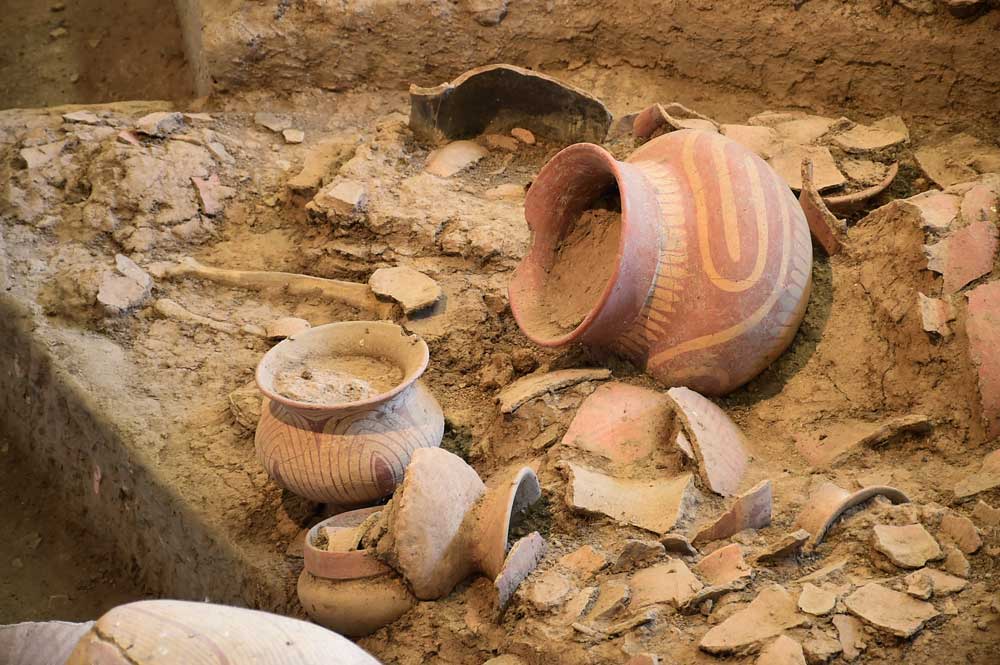
Success Stories and Lessons Learned
Despite these challenges, there are remarkable examples of successful preservation.
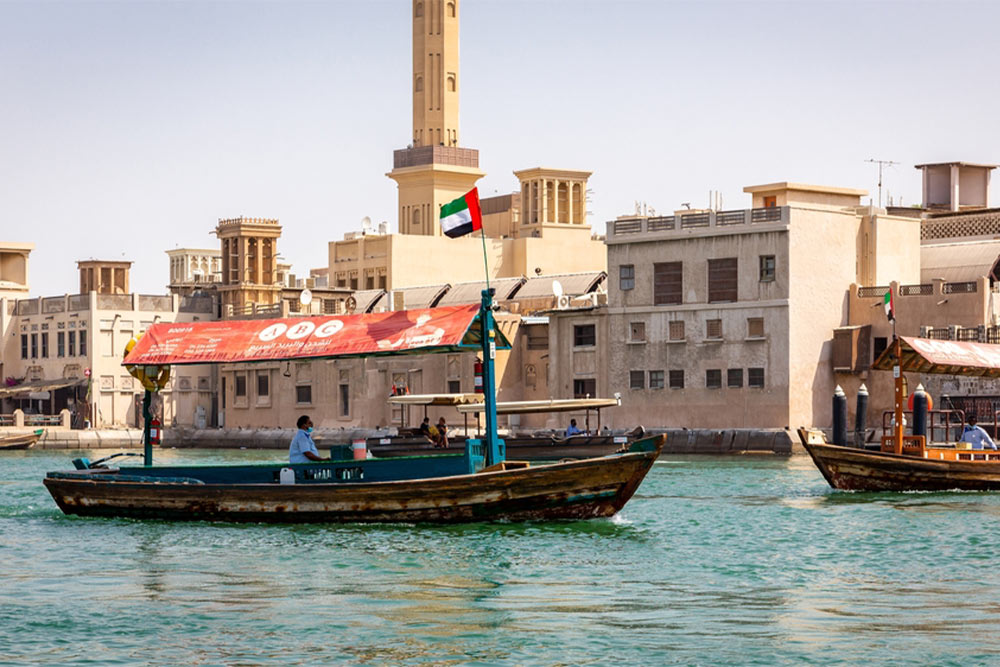
- Dubai’s Heritage Village: While Dubai is synonymous with futuristic architecture, it has also invested in recreating a traditional village environment to showcase Emirati culture. This site allows residents and tourists alike to experience traditional crafts, architecture, and lifestyle, bridging the gap between past and present.
- Oman’s Nizwa Fort: Restoration projects here have not only preserved the architectural integrity of the fort but also revived local craftsmanship and boosted cultural tourism. The integration of local knowledge and modern conservation techniques demonstrates a sustainable preservation model.
- Iran’s Persian Gardens: Recognized as UNESCO World Heritage Sites, Persian gardens have been meticulously maintained to preserve traditional landscaping techniques, water management systems, and aesthetic principles, demonstrating that heritage can coexist with modern urban life.
- Saudi Arabia’s Diriyah: The historic town of Diriyah, the birthplace of the Saudi state, is undergoing a large-scale conservation effort that blends historical authenticity with tourism development. Here, heritage preservation is being directly aligned with economic and cultural policy.
These examples underscore a critical insight: preservation works best when it balances authenticity, community involvement, and sustainable modern integration.
Cultural Heritage and Identity
Preservation is not merely about conserving bricks, manuscripts, or artifacts—it is about sustaining identity. Cultural heritage shapes how communities perceive themselves, understand their history, and relate to the world. In the Middle East, where political boundaries have often shifted and empires have risen and fallen, heritage is a stabilizing force that anchors collective memory.
Moreover, cultural heritage fosters intercultural dialogue. Shared appreciation of music, literature, architecture, and culinary traditions can bridge political divides, strengthen tourism, and enhance global understanding. By investing in heritage preservation, Middle Eastern nations invest in soft power, cultural diplomacy, and societal cohesion.
Challenges to Authenticity
Modernization sometimes threatens authenticity in the preservation process. Over-restoration, commercialization, and misrepresentation can transform heritage into a sanitized or tourist-oriented version of itself. For instance, while some reconstructed historic souks attract visitors, they may no longer reflect the genuine socio-economic life of past centuries. The challenge lies in protecting heritage while ensuring it remains a living, evolving part of society rather than a static museum exhibit.
Education and Awareness
A long-term strategy for preservation involves education. Instilling awareness and pride in cultural heritage from a young age empowers communities to safeguard their legacy. Programs in schools, universities, and local institutions can teach traditional arts, history, and architecture, creating a new generation of cultural stewards. Social media and digital platforms can further amplify this effort, making heritage engaging and accessible to younger audiences.
Future Prospects
Looking forward, the Middle East faces both peril and promise. Rapid modernization, climate change, and geopolitical instability present significant risks to cultural heritage. Yet the growing awareness of these challenges, coupled with innovative technology, governmental commitment, and international collaboration, offers hope.
The future of heritage preservation will likely involve hybrid approaches: combining traditional conservation techniques with cutting-edge technology, integrating heritage into urban planning, and fostering public-private partnerships. The goal is not to freeze culture in time but to create a dynamic environment where heritage can thrive alongside modern life.
Conclusion
The Middle East stands at a crossroads. Its cultural heritage is a treasure trove of human history, creativity, and identity. Modernization presents opportunities for revitalization, education, and global engagement, but it also threatens authenticity, accessibility, and continuity. Preservation is not merely a nostalgic exercise—it is a necessity for sustaining identity, community cohesion, and historical memory.
The evidence suggests that, while challenges remain daunting, the Middle East is taking preservation seriously. With thoughtful urban planning, technological innovation, community engagement, and international cooperation, it is possible to harmonize the march of modernity with the echoes of history. In doing so, the region can ensure that its rich cultural tapestry continues to inspire, educate, and resonate for generations to come.
Ultimately, the question is not whether modernization is inevitable—it is—but whether modernization can be guided in a way that honors and preserves the profound heritage that defines the Middle East. So far, the signs are encouraging: with vigilance, creativity, and commitment, this region can stride confidently into the future without losing sight of its past.