


In the 21st century, the boundaries of national politics have increasingly blurred, largely due to the influence of global media. Television broadcasts, social media platforms, international news agencies, and online streaming services have created a complex web of information flows that reach far beyond borders. These media channels do more than just report news—they shape political narratives, influence public opinion, and even affect the outcomes of elections. Understanding this phenomenon requires examining both the mechanisms through which global media operate and the consequences they have on national politics.
The Rise of Global Media Networks
Global media is no longer confined to a few powerful television networks or print publications. Today, platforms like Twitter, Facebook, YouTube, and TikTok, along with international news agencies such as BBC, CNN, Al Jazeera, and Reuters, serve as conduits for political information across the globe. Unlike traditional national media, these platforms operate on a transnational scale, reaching millions of users instantaneously. This rapid dissemination of information allows global media to bypass traditional gatekeepers, such as national governments or regulatory bodies, which historically controlled the flow of political information.
One striking example of this phenomenon is the Arab Spring. Social media platforms allowed citizens to share information about protests, government abuses, and demands for reform in real time. The influence of global media during these events demonstrated that national political dynamics could no longer be understood in isolation; they were part of a larger, interconnected media ecosystem.
Framing and Agenda-Setting: The Subtle Power of Global Narratives
Global media does not merely report events—it frames them. Framing refers to the way media highlight certain aspects of a story while downplaying others, influencing how audiences perceive an issue. For instance, international media coverage of immigration often frames it as a crisis or security threat, even if local realities are more nuanced. This framing can pressure national governments to adopt policies aligned with the narratives propagated by global media, thereby shaping domestic political agendas.
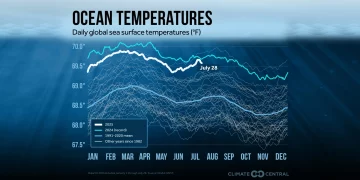
Agenda-setting, a related concept, occurs when media coverage determines which topics the public and politicians perceive as important. For example, sustained international coverage of climate change has forced many national governments to prioritize environmental policy, even in countries where public concern was initially low. In this way, global media indirectly influences legislative priorities, party platforms, and election campaigns.
Global Media and Political Polarization
While global media can broaden awareness of global issues, it also has the potential to deepen political polarization. International media platforms often present conflicting narratives, leaving audiences exposed to a cacophony of perspectives. For instance, coverage of the same international event—say, a military conflict—can vary drastically depending on the source’s ideological stance or geopolitical alignment. This multiplicity of narratives can amplify divisions within national politics, as different segments of the population align themselves with particular global media perspectives.
Social media algorithms exacerbate this effect by creating echo chambers, where users are primarily exposed to content that reinforces their pre-existing beliefs. As a result, political discourse in many countries has become increasingly fragmented, with global media acting as both a mirror and a magnifier of national divisions.
The Role of International News Agencies
International news agencies serve as both informers and influencers. Their reporting often carries the authority of neutrality, which gives their narratives considerable weight in shaping public perception. Governments and political actors frequently respond to international coverage, either by aligning with the narratives or attempting to counter them through strategic communication.
For instance, when international media reports on corruption or human rights abuses in a country, domestic political leaders may be compelled to address these issues to maintain legitimacy on the global stage. Conversely, some governments engage in media diplomacy, using international outlets to project a positive image or to frame national policies in a favorable light. This interplay underscores the dual role of global media: they inform the public and simultaneously act as instruments of soft power in international relations.
Social Media as a Political Tool
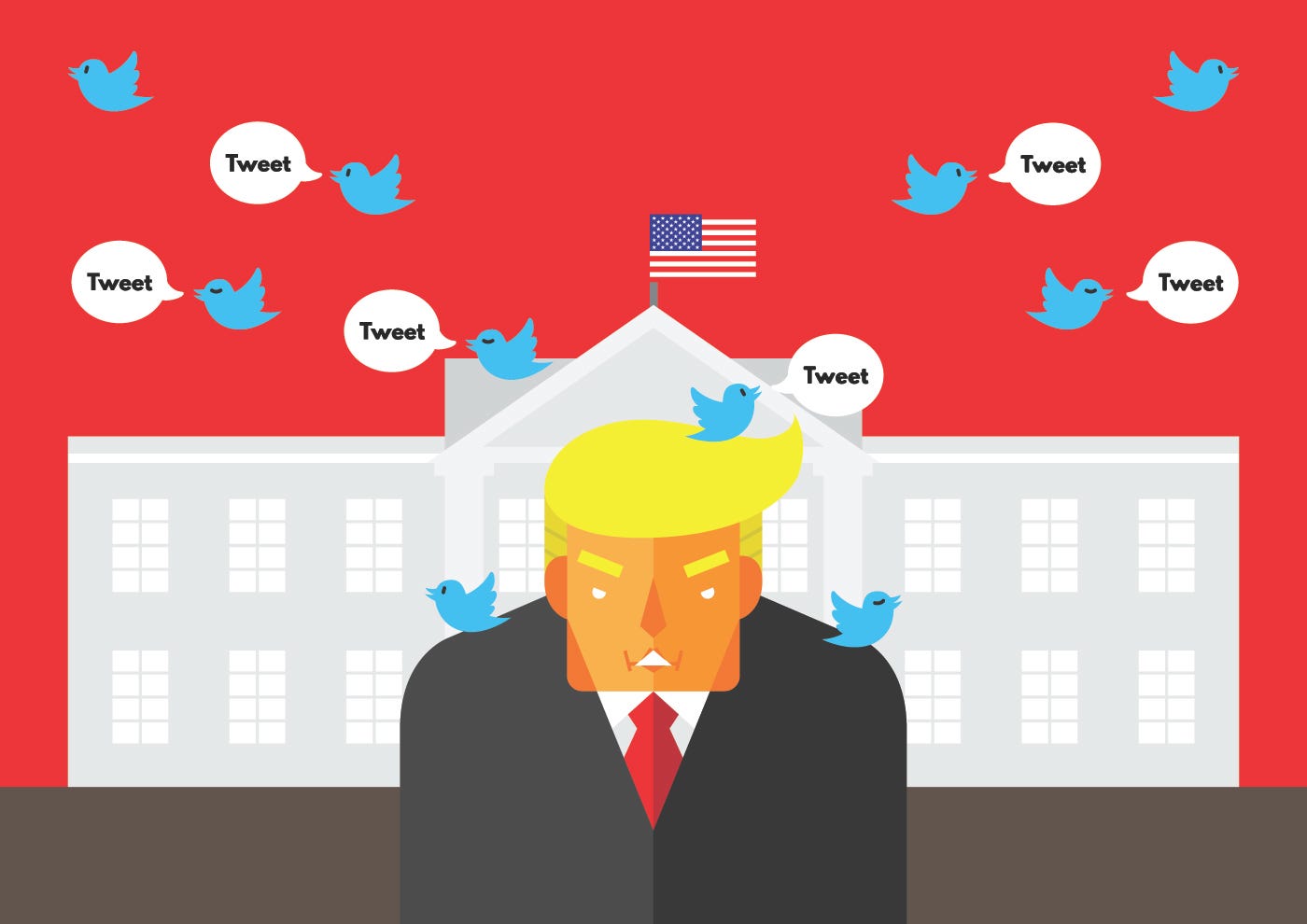
Unlike traditional media, social media allows for interactive engagement between political actors and the public. National leaders now use platforms like Twitter and Instagram to communicate directly with citizens, bypassing traditional news channels. However, the global nature of these platforms means that domestic political messages can easily reach international audiences, exposing national debates to global scrutiny. This visibility can increase accountability but also constrain political maneuvering, as leaders must consider both domestic and international reactions.
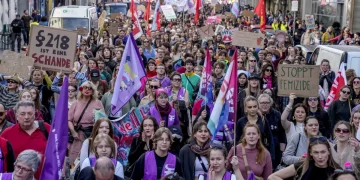
Social media also enables grassroots political movements to gain global attention. Hashtags, viral videos, and live-streamed events can mobilize international support and pressure governments to respond. The #MeToo movement and global climate strikes led by youth activists exemplify how social media can transform localized issues into global political conversations, thereby influencing national policy agendas.
Soft Power and Cultural Influence
Global media also exerts influence through cultural dissemination. Television shows, movies, music, and online content carry implicit values and political ideas that shape public attitudes. For example, Western media often promotes ideals such as democracy, human rights, and free-market economics, which can indirectly influence political debates in other countries. This form of influence, known as soft power, is subtle but profound, as it gradually shapes societal norms, political expectations, and citizen engagement.
Countries aware of the power of global media often invest in their own international broadcasting outlets to project their values abroad. Examples include China’s CGTN, Russia’s RT, and Qatar’s Al Jazeera. By doing so, nations attempt to counterbalance external influences and ensure that their political narratives have a presence on the global stage.
Challenges to Sovereignty and National Identity
While global media brings valuable information and connectivity, it also challenges national sovereignty. Political discourse that is heavily influenced by international narratives may conflict with domestic cultural norms or priorities. For instance, the global debate over internet regulation, privacy, and censorship often forces national governments to balance domestic policies with international expectations. Failure to navigate these pressures can result in political backlash or diminished legitimacy.
Moreover, the pervasive influence of global media can blur national identity, as citizens increasingly consume transnational content that shapes their perceptions of societal norms, political behavior, and even citizenship itself. This phenomenon creates a tension between local political traditions and the global flow of ideas, requiring policymakers to carefully manage the intersection of media, culture, and governance.
Case Studies in Global Media Influence

The United States and Global Coverage
In the United States, global media coverage often impacts domestic political discourse. International scrutiny on issues such as healthcare, racial inequality, and foreign policy decisions can pressure policymakers to justify their actions not only to domestic audiences but also to the world. Moreover, foreign media reporting on U.S. elections highlights the interplay between national politics and global perception, where candidates’ international images can influence domestic credibility.
European Elections and Transnational Media
In Europe, transnational media plays a critical role in shaping political debates during elections. News coverage by international outlets often frames issues like migration, climate policy, and economic governance in a broader European context. This framing encourages voters to consider not just national but also continental implications of political choices, fostering a sense of interconnected political responsibility.
Emerging Democracies
In emerging democracies, global media can serve as both a guide and a challenge. International reporting can highlight government accountability, human rights, and corruption, providing citizens with tools to demand reform. At the same time, reliance on global media narratives can sometimes overshadow local voices, leading to debates about authenticity, representation, and the influence of foreign perspectives on national sovereignty.
The Economics of Global Media Influence
The influence of global media is also tied to economic interests. International media corporations operate in highly competitive markets, where sensationalism and audience engagement drive profitability. Stories that provoke strong emotional responses—scandals, conflicts, and crises—often dominate coverage, shaping political narratives in ways that may not fully reflect reality. This economic dimension underscores that global media influence is not purely ideological; it is also driven by market incentives that affect what audiences see and how they interpret political events.
Strategies for Managing Global Media Influence
Governments and political actors employ various strategies to navigate the influence of global media. These strategies include:
- Media Literacy Campaigns: Educating citizens to critically evaluate international news, recognize bias, and understand framing techniques.
- Public Diplomacy: Engaging in proactive communication to shape global perceptions positively.
- Regulatory Measures: Implementing policies to balance freedom of information with national security and public interest concerns.
- Strategic Alliances: Collaborating with foreign media outlets to amplify favorable narratives or counteract misinformation.
These strategies demonstrate that while global media cannot be controlled entirely, its influence can be understood, navigated, and sometimes leveraged to achieve national political objectives.
Conclusion
Global media has transformed national politics into a complex, interconnected arena. Through framing, agenda-setting, social media engagement, and soft power, international media channels influence political discourse, public opinion, and policy decisions. While this influence brings opportunities for transparency, global awareness, and citizen empowerment, it also presents challenges related to polarization, sovereignty, and cultural identity.
Ultimately, national politics in the age of global media is no longer confined to borders. Leaders, citizens, and institutions must navigate a landscape where international narratives intersect with domestic priorities, and where media literacy and strategic communication are crucial tools for maintaining democratic integrity. As global media continues to evolve, its role in shaping national political outcomes will only grow, making the understanding of its mechanisms both urgent and essential.