









Introduction
The global food security crisis is one of the most pressing issues of the 21st century. With the world’s population expected to exceed 9 billion by 2050, the need for sustainable food production, equitable distribution, and access to nutritious meals has never been more urgent. Asia Pacific, a region home to more than half of the world’s population, is positioned at the heart of this crisis. But can it solve this challenge?
This article will explore the region’s potential to address global food insecurity, the barriers it faces, and the innovative solutions being developed. From advancing technology in agriculture to strengthening policy frameworks, the Asia Pacific region has both the opportunity and the responsibility to take a leading role in tackling food insecurity on a global scale.
The Scope of the Food Security Crisis
Food security refers to the availability, accessibility, and affordability of food for all people at all times. However, millions across the globe still suffer from hunger and malnutrition, with Asia being home to the largest number of food-insecure individuals. According to the United Nations, nearly 690 million people globally are hungry, and Asia alone accounts for more than half of them. The factors contributing to food insecurity are complex and multifaceted: climate change, economic disparities, geopolitical conflicts, and inefficient agricultural practices.
The Asia Pacific region is a microcosm of these challenges. While it is home to the world’s largest agricultural producers, it also faces extreme inequality, political instability in certain countries, and vulnerability to climate change-induced events such as floods, droughts, and unpredictable monsoons. Addressing these issues requires comprehensive and integrated solutions that take into account both regional nuances and global dynamics.
Asia Pacific’s Agricultural Landscape
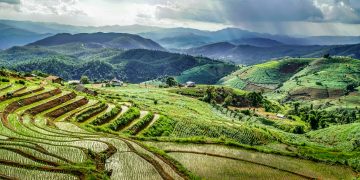
Asia Pacific’s agricultural landscape is diverse, ranging from highly developed farming systems in countries like Japan and South Korea to subsistence agriculture in nations such as Afghanistan and Cambodia. The region produces a significant portion of the world’s staple crops, including rice, wheat, maize, and cassava. Yet, despite this high productivity, many countries in the region still struggle with food insecurity, particularly in rural areas.
1. Technological Advancements in Agriculture
One of the most promising solutions to the food security crisis lies in the development and application of agricultural technology. In recent years, Asia Pacific has become a hub for agricultural innovation, with countries like China, India, and Indonesia investing heavily in technology to increase crop yields and improve food distribution networks.
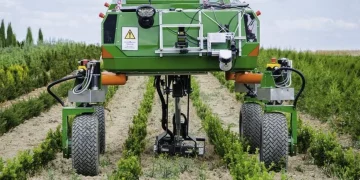
- Precision Agriculture: By using sensors, drones, and artificial intelligence (AI), farmers can monitor soil health, water usage, and pest levels in real-time. This allows them to make more informed decisions and reduce waste. Precision agriculture has the potential to increase yields while minimizing the environmental impact of farming, which is critical as climate change continues to affect weather patterns.
- Genetic Modification: Genetically modified (GM) crops are another avenue for improving food security. In countries like China, GM rice and maize have already been developed to withstand drought and pest infestations. While controversial in some regions, GM crops can play a pivotal role in ensuring consistent food production in the face of environmental challenges.
- Vertical Farming: As urbanization increases, the demand for locally produced food also rises. Vertical farming, which involves growing crops in stacked layers in a controlled indoor environment, is gaining traction in countries such as Singapore. This technology can maximize food production in limited spaces, reduce transportation costs, and provide fresh produce to urban populations.

2. Sustainable Practices and Climate Resilience
Sustainability is another key focus in Asia Pacific’s agricultural evolution. Climate change has already led to unpredictable weather patterns that affect crop production. The region must adopt climate-resilient agricultural practices to mitigate these effects. These include:
- Agroforestry: Integrating trees into agricultural landscapes helps prevent soil erosion, improve water retention, and enhance biodiversity. It also sequesters carbon, making it a valuable tool in the fight against climate change.
- Water Management: In water-scarce areas such as India and Central Asia, efficient water management systems are essential. Technologies like drip irrigation and rainwater harvesting are helping farmers conserve water while maintaining crop productivity.
- Agroecology: This approach seeks to integrate ecological principles into farming practices, focusing on soil health, biodiversity, and ecosystem services. Countries like Thailand and the Philippines are increasingly adopting agroecology to enhance food security while promoting environmental sustainability.
Addressing Regional Disparities
While the region’s technological and sustainable solutions hold promise, food security in Asia Pacific remains uneven. A large proportion of food insecurity in the region is concentrated in South and Southeast Asia, where poverty levels are high, and agriculture remains largely subsistence-based. Additionally, conflict zones such as Afghanistan and parts of Myanmar have exacerbated food access issues.
1. Improving Infrastructure
The lack of infrastructure, such as roads, storage facilities, and market access, is a significant barrier to food security in many Asia Pacific countries. In rural areas, farmers often struggle to transport their goods to urban centers where demand is higher, resulting in food waste and higher prices for consumers. Investments in infrastructure can bridge the gap between food production and consumption.

2. Education and Capacity Building
Farmers in many parts of Asia Pacific still rely on traditional farming methods, which can be inefficient and vulnerable to climate change. Providing education and training in modern farming techniques is crucial for improving productivity and resilience. Governments, NGOs, and international organizations are increasingly focusing on capacity-building initiatives, helping farmers adopt sustainable practices, improve financial literacy, and gain access to markets.
3. Regional Cooperation and Policy
The food security crisis is not limited to individual countries but is a regional challenge. Asia Pacific nations must work together to create policies that enhance food security. Regional cooperation can foster trade agreements that ensure food flows smoothly between countries, create shared research initiatives to develop new technologies, and strengthen social safety nets for vulnerable populations.
Role of Global Institutions and Partnerships
Global institutions like the United Nations Food and Agriculture Organization (FAO) and the World Food Programme (WFP) play a crucial role in supporting Asia Pacific’s efforts to combat food insecurity. These organizations provide technical assistance, funding, and policy support to countries facing hunger and malnutrition.
Public-private partnerships are also increasingly important in addressing food security. Companies in the agribusiness sector, from multinational corporations to local startups, are working alongside governments and international organizations to innovate and scale solutions that increase food production and improve food access.
Potential Challenges Ahead
While Asia Pacific has the resources, technological potential, and human capital to tackle food insecurity, several challenges remain. These include:
- Political Instability: Conflicts, political unrest, and poor governance in certain countries can hinder food production and distribution, making it difficult to implement large-scale solutions.
- Economic Inequality: Despite economic growth in many parts of Asia, income inequality remains a significant issue. Even if food is available, many people cannot afford it, particularly in rural and marginalized communities.
- Climate Change: The region is highly vulnerable to climate change, with rising sea levels, erratic weather patterns, and increased frequency of natural disasters all threatening food security.
Conclusion
The Asia Pacific region has both the potential and the responsibility to play a pivotal role in solving the global food security crisis. Through technological innovation, sustainable agricultural practices, and regional cooperation, the region can significantly improve food production and distribution. However, addressing the crisis requires a holistic approach that encompasses economic, political, and social factors, along with long-term investments in infrastructure and education.
The global food security crisis cannot be solved by Asia Pacific alone, but the region’s leadership in developing solutions is critical. The next decade will be crucial in determining whether Asia Pacific can meet this challenge, both for the region and the world at large.