








The Middle East, a region already known for its arid landscapes, high temperatures, and limited water resources, is facing an unprecedented challenge. Climate change, with its rising temperatures, altered rainfall patterns, and extreme weather events, is intensifying the already critical water scarcity issues in the region. This article explores how climate change is impacting the water resources of the Middle East, the consequences of these changes, and the efforts being made to mitigate the crisis.
1. The Water Crisis in the Middle East: A Historical Overview
Water scarcity in the Middle East is not a new phenomenon. For centuries, the region has struggled with limited freshwater sources, relying on a few rivers, groundwater, and seasonal rains to meet the needs of its growing populations. The Tigris and Euphrates Rivers, the Nile, and the Jordan River are among the most significant water bodies, but they have become increasingly contested in recent years due to geopolitical tensions, rapid urbanization, and agricultural demands.
Historically, the Middle East has managed its water resources through innovative methods such as qanats (underground water channels), wells, and cisterns. However, the rising pressures of population growth, economic development, and climate change have overwhelmed these ancient systems, leading to severe water shortages in many parts of the region.
2. Climate Change and Its Impact on Water Availability
2.1. Temperature Rise: A Growing Threat to Water Resources
One of the most significant ways climate change is affecting water resources in the Middle East is through the rise in average temperatures. The region is warming at a rate that is about 1.5 times faster than the global average. According to the Intergovernmental Panel on Climate Change (IPCC), this increase in temperature is contributing to more intense and prolonged heatwaves, which in turn reduces the availability of freshwater.
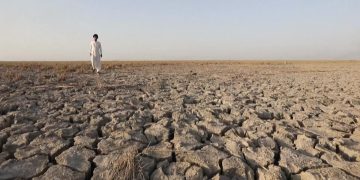
Higher temperatures lead to increased evaporation rates, particularly in water bodies like rivers, lakes, and reservoirs. In places like Iraq and Syria, where water is already scarce, the combined effect of evaporation and reduced rainfall means that less water is available for consumption, agriculture, and industry. This creates a vicious cycle where the demand for water increases, but the supply decreases.
2.2. Changing Rainfall Patterns: More Droughts, Less Rain
Another significant impact of climate change on water resources in the Middle East is the alteration of rainfall patterns. The region is expected to experience more frequent and severe droughts in the coming decades, which will exacerbate existing water scarcity. Some areas are already seeing a decline in annual rainfall, while others face the problem of irregular or erratic rainfall, making water availability unpredictable.
For instance, in countries like Yemen, Jordan, and Egypt, rainfall is already insufficient to meet the growing water demands. These nations are heavily reliant on underground aquifers, which are being depleted at unsustainable rates. Climate change is expected to increase the frequency of droughts, putting further pressure on already stressed water systems.
2.3. Melting Snow and Glaciers: A Loss of Water Storage
In addition to temperature and rainfall changes, the melting of glaciers and snowpacks in mountain ranges like the Zagros and the Himalayas is another emerging challenge for the Middle East. These snow-capped mountains act as natural water storage systems, releasing water gradually during warmer months. As global temperatures rise, the melting of glaciers and snowpacks is accelerating, disrupting this natural water storage cycle.

In countries like Turkey and Iran, where snowmelt is an important source of freshwater for rivers like the Tigris and Euphrates, the reduction in snow and ice cover threatens the long-term sustainability of these water sources. This could lead to lower river flow during the hot summer months when demand for water is at its peak.
3. The Consequences of Water Scarcity in the Middle East
3.1. Agriculture: A Struggling Sector
Water scarcity in the Middle East has profound implications for agriculture, a sector that is critical to the livelihoods of millions of people in the region. Agriculture in the Middle East relies heavily on irrigation, as natural rainfall is insufficient to meet crop water requirements. As water resources dwindle, farmers are finding it increasingly difficult to maintain their crops and livestock.
In countries like Saudi Arabia and Iraq, farmers are turning to groundwater sources to irrigate crops. However, these aquifers are being depleted at an alarming rate, and many are nonrenewable, meaning that once they are exhausted, they cannot be replenished. This results in reduced agricultural productivity, higher food prices, and a growing dependence on food imports.
3.2. Human Health and Well-Being
Water scarcity also poses a direct threat to human health. In the Middle East, millions of people rely on clean water for drinking, sanitation, and hygiene. With dwindling water supplies, access to safe drinking water is becoming more difficult. This has led to an increase in waterborne diseases, particularly in areas with inadequate sanitation infrastructure.
In addition, water scarcity can exacerbate existing health problems, such as respiratory diseases linked to dust storms, which are becoming more frequent and intense due to climate change. In countries like Iraq and Syria, ongoing conflicts have made the situation even more dire, with millions of people displaced from their homes and facing limited access to water.
3.3. Geopolitical Tensions and Conflicts
Water scarcity in the Middle East is also contributing to heightened geopolitical tensions and conflicts. As water becomes scarcer, countries in the region are increasingly competing for access to shared water resources. The Tigris-Euphrates basin, for example, is a source of contention between Turkey, Syria, and Iraq, with each country seeking to secure its water supply from these rivers.
Similarly, the Nile River, which flows through 11 countries in northeastern Africa, has been a point of tension between Egypt and Ethiopia over the construction of the Grand Ethiopian Renaissance Dam. The dam could reduce Egypt’s access to the river, which is crucial for its water supply. Climate change is likely to exacerbate these tensions, as reduced rainfall and droughts make the need for water even more urgent.
4. Adaptation and Mitigation Strategies
4.1. Water Conservation and Efficiency
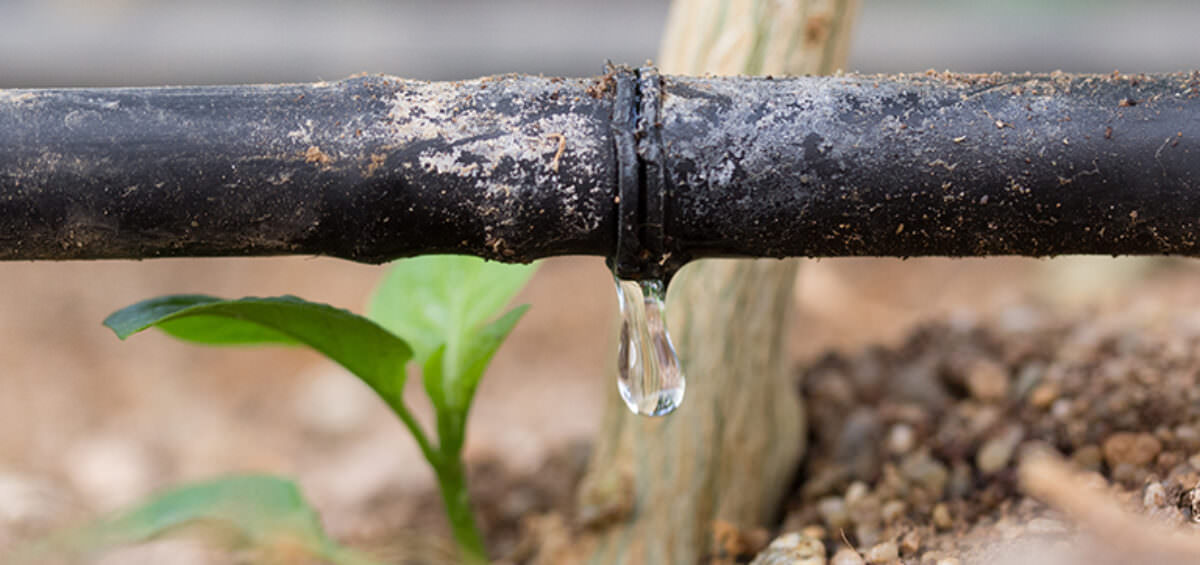
One of the primary strategies to address water scarcity in the Middle East is to improve water conservation and efficiency. Many countries in the region have already implemented measures to reduce water waste, such as promoting water-saving technologies, improving irrigation systems, and encouraging the use of treated wastewater for agriculture.
Israel, for example, has pioneered the use of drip irrigation systems, which deliver water directly to the roots of plants, reducing water loss through evaporation. In addition, countries like the UAE and Qatar are investing in technologies to desalinate seawater, turning saltwater into potable water. While desalination is an expensive process, it has the potential to provide a reliable source of freshwater in the region.
4.2. Transboundary Water Management
Given the transboundary nature of many of the Middle East’s water resources, cooperation between countries is crucial for sustainable water management. Multilateral agreements on water use, such as the 1994 peace agreement between Jordan and Israel, have been successful in promoting shared management of water resources. However, more such agreements are needed to prevent conflict and ensure that all parties have equitable access to water.
In the case of the Nile, the recent negotiations between Egypt, Sudan, and Ethiopia over the Grand Ethiopian Renaissance Dam highlight the importance of diplomatic engagement in resolving water disputes. The ongoing talks aim to find a solution that allows all countries to benefit from the river’s resources while mitigating the impact of climate change on water availability.
4.3. Climate Resilience and Sustainable Development
Building climate resilience is another key component of the Middle East’s response to water scarcity. Governments, international organizations, and civil society groups are working to implement strategies that help communities adapt to the changing climate and mitigate the impacts of water shortages. This includes investing in water infrastructure, promoting sustainable agricultural practices, and improving water governance.
In some countries, such as Jordan, initiatives to promote rainwater harvesting and improve wastewater treatment are already making a difference. By integrating climate change adaptation into national development plans, these efforts aim to build long-term resilience to the impacts of water scarcity.
5. The Road Ahead: Can the Middle East Overcome Its Water Crisis?
The Middle East’s water crisis is a complex and multifaceted issue, shaped by both natural and human factors. Climate change is undeniably exacerbating the region’s already limited water resources, but it is not the sole cause of the crisis. Mismanagement, over-extraction, and political conflicts have all played significant roles in the depletion of water resources in the region.
While the challenges are daunting, the Middle East is not without hope. With concerted efforts to improve water management, invest in innovative technologies, and promote regional cooperation, the region can make strides in addressing its water crisis. However, this will require bold action, political will, and a commitment to sustainability at both the local and global levels.
In the coming decades, the Middle East will likely face increasing water stress, but it also has the opportunity to lead the world in finding innovative solutions to one of the most pressing challenges of our time. By adapting to the changing climate and fostering cooperation, the Middle East can build a more water-secure future for its people.