









In the ever-evolving world of technology, Silicon Valley has long stood as the epitome of innovation and entrepreneurial success. Its unique blend of venture capital, world-class talent, and an ecosystem of thriving startups has made it the undisputed leader in global tech. However, as the world becomes more interconnected, Asia is emerging as a hotbed of technological growth and innovation, positioning its cities as potential challengers to Silicon Valley’s throne.
Cities like Shenzhen, Bangalore, Singapore, and Tokyo are attracting global attention as the new tech hubs. These regions are fostering an environment conducive to innovation, creating opportunities for startups, and drawing talent from all corners of the globe. But are these cities truly on track to become the next Silicon Valley? Or will they simply remain regional powerhouses, overshadowed by Silicon Valley’s entrenched dominance?
This article explores the rise of Asia’s tech hubs, comparing them with Silicon Valley’s model and identifying what they are doing differently to carve out their own niches in the tech world. We will also examine the factors that may either accelerate or hinder the success of these cities as the next Silicon Valley.
The Silicon Valley Model: A Blueprint for Innovation
To understand the potential of Asia’s emerging tech hubs, we first need to understand the key ingredients that have made Silicon Valley the global tech capital.
1. Access to Capital: Venture capital (VC) has been the lifeblood of Silicon Valley. The region has attracted some of the most influential investors in the world, creating a feedback loop where entrepreneurs have access to the funding necessary to scale their ideas rapidly. High risk, high reward is the hallmark of Silicon Valley’s investment culture.
2. A Talent Magnet: Silicon Valley benefits from a dense concentration of the world’s best minds in tech. With top-tier universities like Stanford and UC Berkeley, the region is able to attract both local and international talent, creating a pipeline of highly skilled engineers, software developers, and entrepreneurs.
3. A Collaborative Ecosystem: The proximity of companies, investors, accelerators, and incubators fosters a collaborative culture. Knowledge sharing, networking, and innovation thrive in an environment where everyone is interconnected.
4. Supportive Government Policies: Silicon Valley also benefits from government policies that are favorable to startups. Tax incentives, an established regulatory framework, and a general culture of support for tech innovation have played an important role in its rise.
5. A Culture of Failure and Risk-Taking: Silicon Valley’s ethos encourages risk-taking and accepts failure as part of the entrepreneurial journey. The region’s culture rewards experimentation, even if it doesn’t always result in success.
These elements have coalesced to form a unique ecosystem that continues to drive Silicon Valley’s dominance in the tech world. But can Asia’s emerging cities replicate this formula? Let’s examine some of the key cities that are vying for a place in the global tech spotlight.
Shenzhen: The Hardware Powerhouse
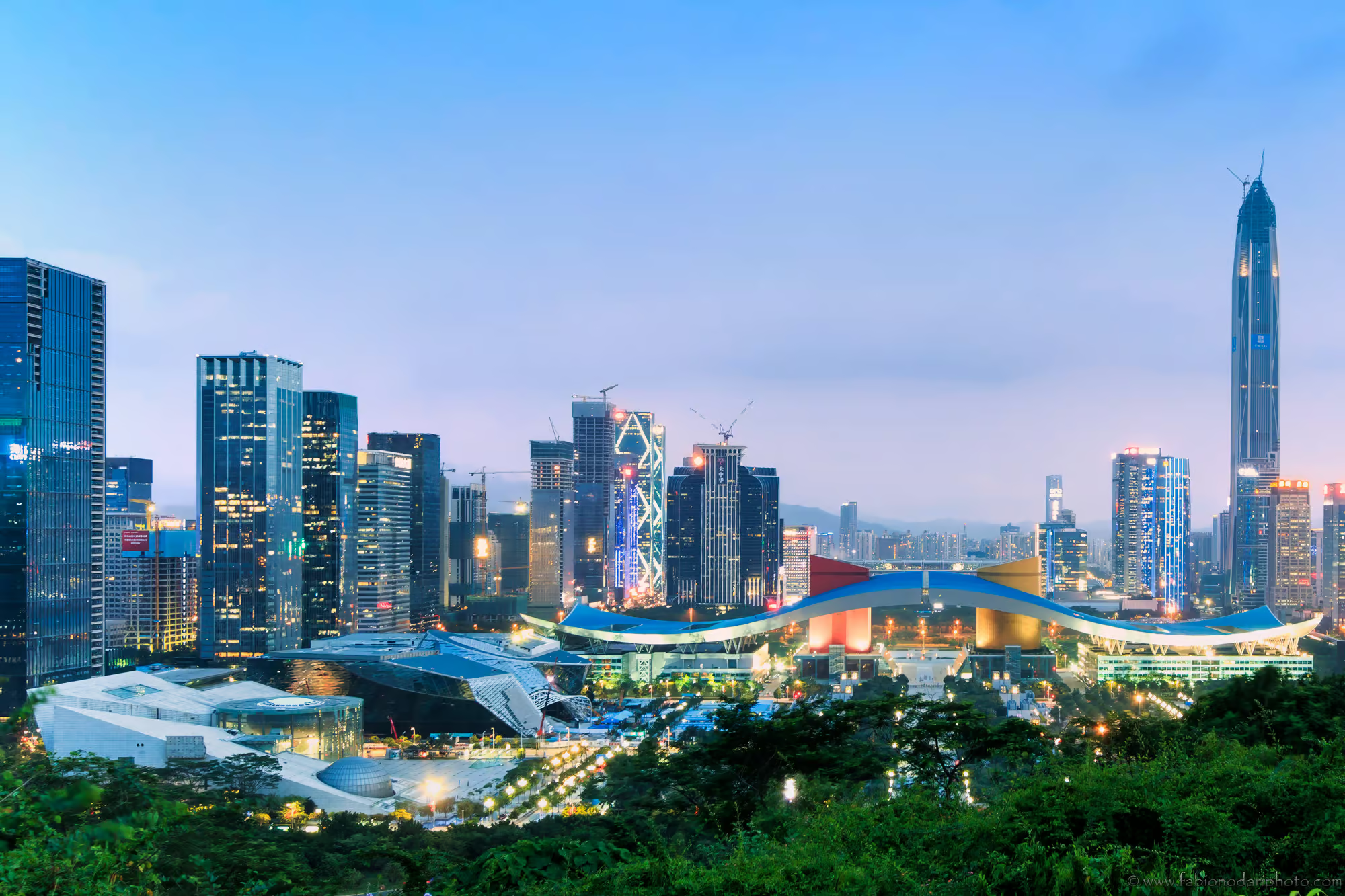
Often dubbed the “Silicon Valley of Hardware,” Shenzhen is a city that exemplifies the potential for innovation in Asia. Located in southern China, Shenzhen has grown from a small fishing village to a global leader in electronics manufacturing and innovation.

Why Shenzhen?
Shenzhen’s emergence as a tech hub can be attributed to several factors. The city is home to tech giants like Tencent, Huawei, DJI, and BYD. It is also the birthplace of some of the world’s most influential consumer electronics, including the DJI drones and Huawei’s smartphones. Shenzhen’s success is partly due to its close ties to China’s broader manufacturing ecosystem. The city is known for its rapid prototyping capabilities, where hardware developers can create and refine products in record time.
The Role of Government and Policy
Shenzhen’s government has been instrumental in fostering the city’s tech industry. The Chinese government’s “Made in China 2025” initiative, aimed at transforming the country into a global leader in high-tech industries, has provided Shenzhen with incentives to grow. Subsidies for startups, tax breaks, and favorable intellectual property laws are just a few examples of how the government supports tech innovation.
Shenzhen’s Collaborative Culture
The city’s ecosystem also benefits from a highly collaborative culture. Shenzhen’s tech community is known for its openness and knowledge-sharing. Entrepreneurs in the region often work together, exchanging ideas and resources to accelerate the development of new products.
Challenges Ahead
Despite its success, Shenzhen faces challenges. Intellectual property protection is still an issue, with concerns over counterfeit products and the theft of innovation. Additionally, the geopolitical tensions between China and the U.S. pose risks for businesses in Shenzhen, especially those that rely on global markets and supply chains.
Bangalore: The Software Silicon Valley of India
Bangalore, often referred to as the “Silicon Valley of India,” has emerged as one of the most prominent tech hubs in Asia. The city is home to over 7,000 startups, many of which have gone on to achieve significant success on the global stage.
Why Bangalore?
Bangalore’s rise as a tech powerhouse is driven by its access to a massive pool of highly skilled software engineers and developers. The city is home to a number of prestigious educational institutions, including the Indian Institute of Science (IISc) and the Indian Institute of Management (IIM), which produce some of the brightest minds in technology.
Access to Global Markets
Bangalore’s strategic location also gives it access to global markets. The city is well-connected to the United States, Europe, and other key tech hubs, making it an attractive destination for foreign investment. Many multinational companies, including Google, Microsoft, and Amazon, have established large research and development centers in Bangalore, contributing to the city’s rapid growth.
The Role of Outsourcing
Bangalore is also known as the global outsourcing capital. The city’s thriving IT services industry provides software development, maintenance, and other services to companies around the world. This has led to a massive influx of foreign capital and expertise, further fueling the city’s growth.
Challenges for Bangalore
While Bangalore’s future looks promising, there are several challenges that could hinder its growth. Traffic congestion, inadequate infrastructure, and rising costs of living are some of the issues that could impact the city’s attractiveness for both talent and investment. Additionally, the regulatory environment in India is often seen as cumbersome, with slow-moving government processes and bureaucratic red tape.
Singapore: The Global Tech Gateway
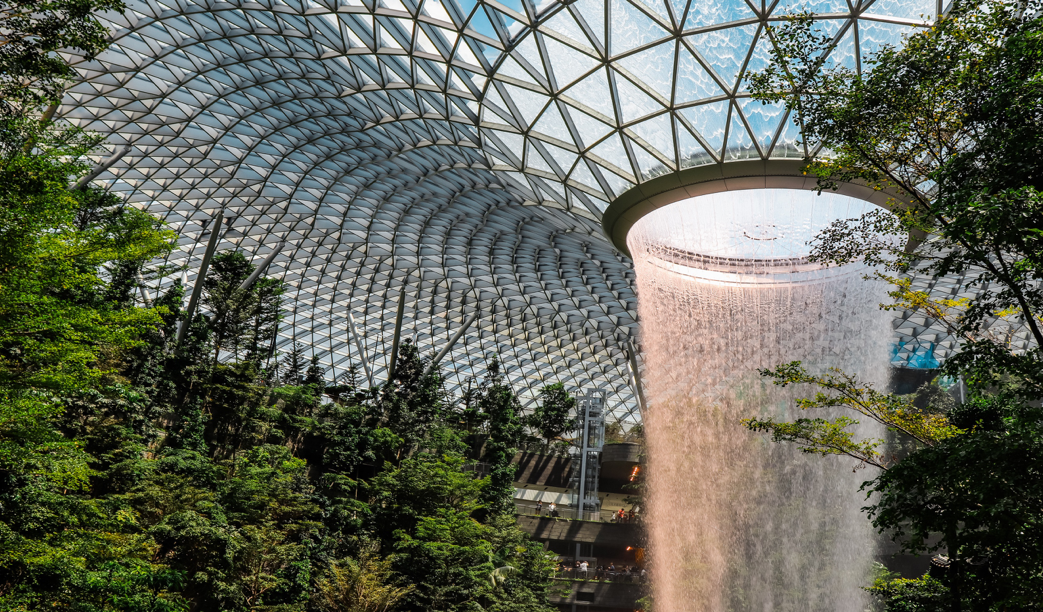
Singapore, a small island nation, has rapidly transformed into a global tech gateway, attracting international tech giants and fostering a robust startup ecosystem. The city-state is positioning itself as a key player in Southeast Asia’s tech scene.
Why Singapore?
Singapore offers a unique blend of advantages for tech companies. The nation boasts a highly educated and skilled workforce, a stable political environment, and a business-friendly regulatory framework. With a focus on innovation, the Singaporean government has implemented policies to support the growth of the tech sector, including tax incentives for startups and funding programs for research and development.
Proximity to Southeast Asia
Singapore’s strategic location in Southeast Asia gives it a unique advantage. The country serves as a gateway to the larger ASEAN market, providing access to over 600 million people. This makes Singapore an ideal base for companies looking to expand into Southeast Asia, where the middle class is rapidly growing, and digital adoption is skyrocketing.
Investment in Infrastructure
Singapore is also known for its world-class infrastructure. The city-state is consistently ranked as one of the easiest places to do business, and its commitment to developing cutting-edge technologies, such as AI and blockchain, has attracted major tech players like Facebook, Google, and Amazon.
Challenges for Singapore
One of Singapore’s biggest challenges is its size. While the city offers a highly conducive environment for tech innovation, its small size limits the scale of opportunities available. Additionally, Singapore’s cost of living is among the highest in the world, which could make it difficult for startups to attract and retain talent.
Tokyo: The Traditional Tech Hub with a Twist
Tokyo has long been known as a global leader in consumer electronics, robotics, and automotive technology. However, in recent years, the city has struggled to keep pace with newer tech hubs like Silicon Valley and Shenzhen.
Why Tokyo?
Tokyo’s strengths lie in its long history of technological innovation. The city is home to some of the world’s largest technology companies, including Sony, Panasonic, and Toyota. Japan’s commitment to research and development is unparalleled, and Tokyo continues to be a leader in fields like robotics, AI, and advanced manufacturing.
Government Support
The Japanese government has been increasingly supportive of innovation, launching initiatives aimed at fostering startup growth and attracting foreign investment. Tokyo has also benefited from the country’s strong intellectual property protection laws, which have made it an attractive location for companies involved in cutting-edge research.
Challenges for Tokyo
Despite its advantages, Tokyo faces several challenges. The city’s aging population, rigid corporate culture, and lack of diversity in the workforce are all factors that hinder innovation. Additionally, Tokyo’s high cost of living and conservative business culture can be deterrents for young entrepreneurs looking to take risks.
Conclusion: A Multi-Regional Tech Future
Asia’s emerging tech hubs are certainly on the rise, and many are drawing comparisons to Silicon Valley. While they may not yet match the sheer scale or global influence of Silicon Valley, cities like Shenzhen, Bangalore, Singapore, and Tokyo have developed their own unique ecosystems that are fostering innovation and entrepreneurship.
Each of these cities has its own strengths and challenges, but what they share is a commitment to fostering technological growth, attracting investment, and cultivating a culture of innovation. As the global economy continues to evolve, it’s likely that Asia’s tech hubs will play an increasingly important role in shaping the future of technology.
In the end, Silicon Valley may not be the only game in town. The next wave of tech innovation is happening all around the world, and Asia is well-positioned to lead the charge.