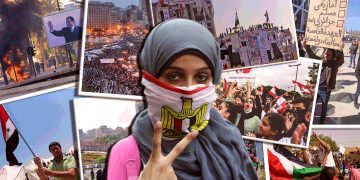







The Middle East, often seen as a region of paradoxes, is a place where the ancient world meets the modern in fascinating and complex ways. Its cities hum with the energy of contemporary life, while ancient customs, beliefs, and practices continue to thrive. In a time when globalization, technological advancements, and the forces of modernization are reshaping the region, the question arises: Can ancient traditions and modernity coexist in the Middle East?
This question is not just academic—it is deeply tied to the lived experiences of millions of people in the region. From the bustling streets of Cairo to the skyline of Dubai, the Middle East offers a unique backdrop for exploring how history and progress can intertwine. While there are those who advocate for a full embrace of modernity, there are also many who argue that the region’s rich cultural heritage must be preserved at all costs. The debate is not a matter of choosing one over the other, but rather of finding a balance that allows for both to coexist harmoniously.
The Tension Between Tradition and Modernity
The tension between tradition and modernity is not unique to the Middle East. Across the globe, societies grapple with the question of how to preserve their heritage while embracing the future. In the Middle East, however, this tension is particularly pronounced due to the region’s deep historical roots and its importance as the cradle of major world religions.
For centuries, the Middle East has been a hub of cultural, intellectual, and religious significance. Ancient civilizations like Mesopotamia, Egypt, and Persia laid the foundations for modern science, philosophy, and governance. Today, the region is home to some of the world’s oldest cities, such as Jerusalem, Damascus, and Baghdad, where centuries-old traditions continue to shape daily life.
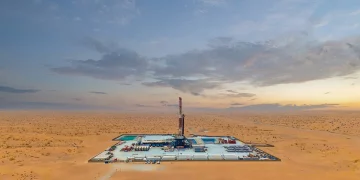
At the same time, the Middle East is also a region marked by rapid urbanization, technological innovation, and economic development. Cities like Dubai, Doha, and Riyadh have become symbols of the modern world, with futuristic architecture, thriving business districts, and a young, tech-savvy population. This juxtaposition of the old and the new creates a unique dynamic, where the past is both revered and reinterpreted in light of contemporary challenges.
Modernization and the Influence of Globalization
The process of modernization in the Middle East is not just a local phenomenon; it is part of the broader wave of globalization that has swept across the globe. Globalization, with its interconnectedness of markets, cultures, and ideas, has brought both opportunities and challenges to the region. On the one hand, it has opened up new avenues for economic growth, technological advancement, and cultural exchange. On the other hand, it has also led to the erosion of traditional ways of life, as younger generations are increasingly drawn to the allure of Western lifestyles and values.
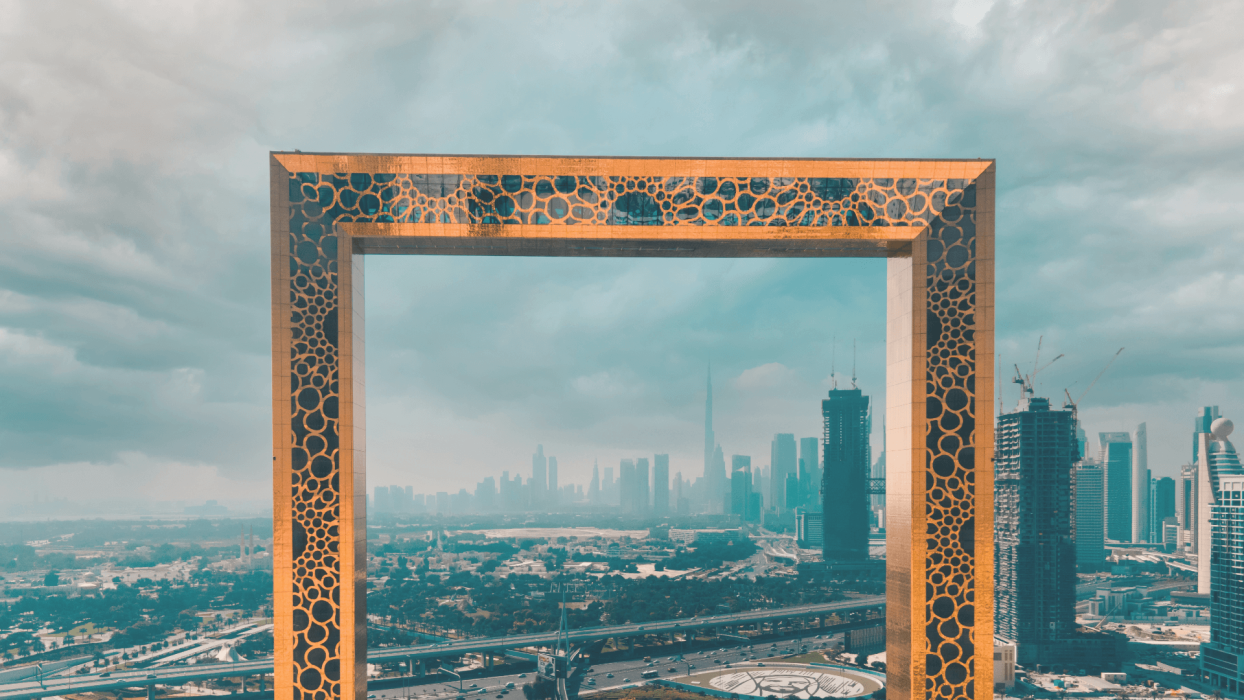
The impact of globalization can be seen in the rapid expansion of cities and the spread of consumer culture. High-rise buildings, shopping malls, and multinational brands have become ubiquitous in the Middle East, transforming the urban landscape and altering social dynamics. For many, these developments represent progress and prosperity, but for others, they signal the loss of cultural identity and the erosion of traditional values.
In the face of these changes, some Middle Eastern countries have sought to strike a balance between embracing modernity and preserving their cultural heritage. The United Arab Emirates (UAE), for example, has positioned itself as a global hub of commerce and innovation while also emphasizing the importance of maintaining its Islamic traditions. The government of the UAE has made significant investments in preserving the country’s cultural heritage, with initiatives like the Louvre Abu Dhabi and the Sheikh Zayed Grand Mosque, which combine modern architecture with Islamic artistic traditions.
Similarly, Qatar has worked to blend tradition with modernity, particularly in its approach to urban development. The city of Doha, which has rapidly transformed into a cosmopolitan center, has also made efforts to preserve its cultural heritage, with museums like the Museum of Islamic Art and the National Museum of Qatar showcasing the country’s rich history and artistic legacy.
Religion, Culture, and the Role of Tradition
Religion plays a central role in the Middle East, and it is often intertwined with the region’s traditions and cultural practices. Islam, Christianity, and Judaism are the dominant religions, and their teachings have shaped the values, social norms, and customs of the region for centuries. While religion can sometimes be seen as a source of resistance to modernization, it can also serve as a foundation for navigating the challenges of the modern world.
In many parts of the Middle East, religious observance remains a central aspect of daily life. From the call to prayer that echoes through the streets to the observance of Ramadan, religious rituals and practices continue to play an important role in shaping the rhythm of life. For many people, these practices are not just a reflection of their faith, but also a way of maintaining a connection to their cultural heritage.
At the same time, religion can also be a source of tension when it comes to issues of modernity. In some cases, conservative religious views have been seen as an obstacle to progress, particularly when it comes to issues like women’s rights, freedom of expression, and the role of the state in public life. However, there are also examples of religious leaders and institutions engaging with modernity in innovative ways, showing that religion and modernity need not be in conflict.
In Turkey, for example, the secularization policies of Mustafa Kemal Atatürk in the early 20th century led to a gradual separation of religion and state. However, in recent decades, there has been a resurgence of Islamic values in Turkish politics and society. The rise of political Islam, exemplified by the Justice and Development Party (AKP), has sparked debates about the role of religion in public life and the balance between secularism and religious tradition.
Similarly, in Iran, the 1979 Islamic Revolution brought about a dramatic shift in the relationship between religion and the state. The country’s theocratic government has sought to reconcile Islamic principles with the demands of modern governance, often with contentious results. Despite this, Iran remains a vibrant cultural and intellectual center, where debates about tradition and modernity continue to shape the national discourse.
The Youth Factor: A Changing Demographic
The younger generation in the Middle East plays a crucial role in the ongoing dialogue between tradition and modernity. With a median age of just over 23 years, the region has one of the youngest populations in the world. This demographic shift has profound implications for the future of the region, as young people navigate the complexities of identity, culture, and modernity.
Many young people in the Middle East are eager to embrace modernity, seeking better economic opportunities, education, and social mobility. They are often exposed to global culture through the internet, social media, and international travel, and they are increasingly influenced by Western ideas and lifestyles. This has led to a cultural shift, where traditional customs and values are sometimes seen as outdated or restrictive.
However, this desire for modernization does not necessarily mean a rejection of tradition. In many cases, young people in the Middle East are finding ways to incorporate traditional values into their modern lives. For example, in countries like Egypt, Lebanon, and Jordan, young people are blending Western fashion with traditional clothing, using social media to promote cultural heritage, and advocating for women’s rights within the context of Islamic teachings.
In some instances, the younger generation is also playing a role in revitalizing traditional practices. In the UAE, for instance, there has been a resurgence of interest in preserving Emirati culture, with young people taking up traditional arts like falconry, poetry, and dhow sailing. This interest in cultural preservation is not just a nostalgic longing for the past, but a conscious effort to ensure that traditional practices remain relevant in the face of rapid modernization.
Balancing Progress and Preservation
The key to ensuring that ancient traditions and modernity coexist in the Middle East lies in finding a balance between progress and preservation. This balance is not easy to achieve, and it requires a nuanced understanding of both the region’s history and its future aspirations.
Governments, religious leaders, and cultural institutions have an important role to play in this process. By promoting policies that encourage innovation while also respecting cultural heritage, they can help create an environment where modernity and tradition can coexist. This could involve supporting the arts, investing in education, and fostering intercultural dialogue that promotes mutual understanding and respect.
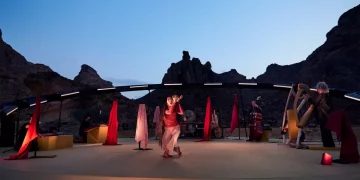
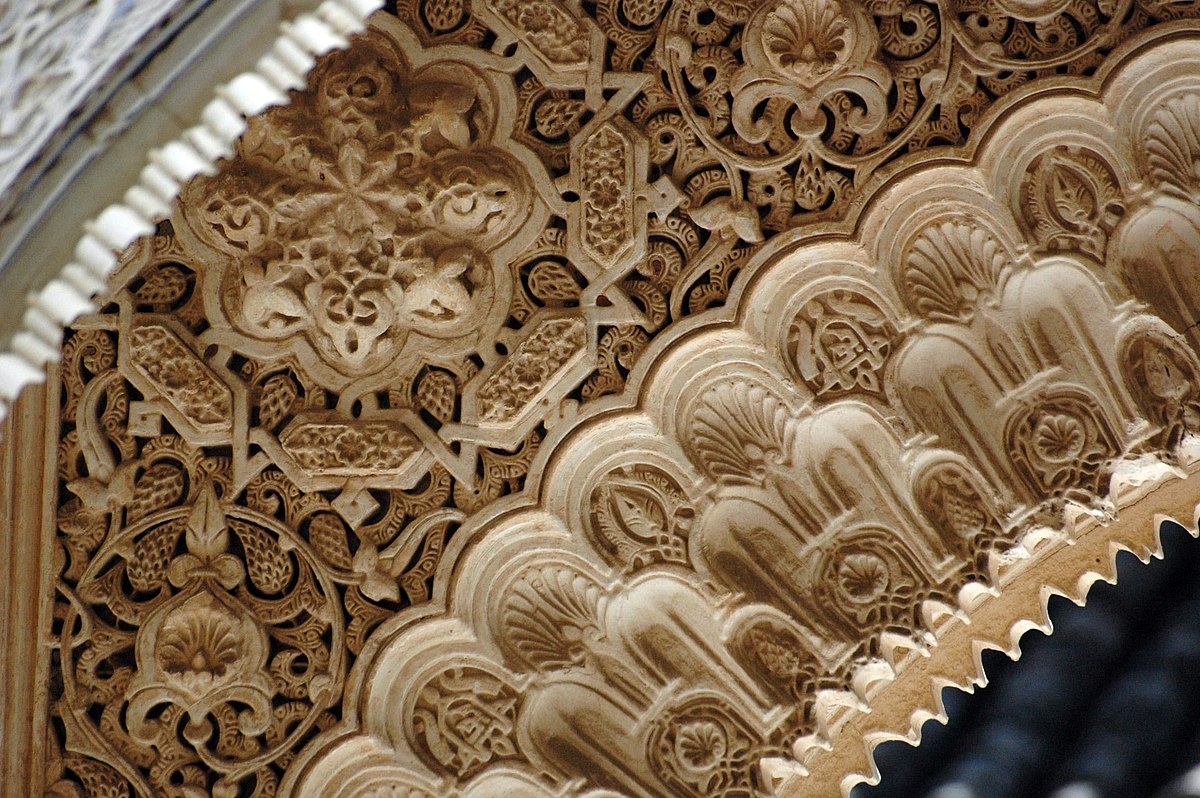
One example of this approach can be seen in the role of the arts in the Middle East. Throughout history, the region has been home to rich artistic traditions, from calligraphy and architecture to music and dance. In recent years, there has been a resurgence of interest in these traditions, with artists and cultural institutions embracing both traditional forms and contemporary techniques. The result is a vibrant cultural scene that celebrates the past while looking to the future.
In the realm of education, there is also potential for a harmonious blending of tradition and modernity. Many universities in the Middle East are incorporating both Western and Islamic educational philosophies, offering students a well-rounded education that respects both local customs and global knowledge. This approach ensures that young people are equipped to thrive in the modern world while also remaining connected to their cultural roots.
Conclusion
The question of whether ancient traditions and modernity can coexist in the Middle East is not one with a simple answer. It is a dynamic and ongoing process, shaped by historical, cultural, and social forces. While the challenges are significant, the opportunities for harmony between the old and the new are equally profound.
In the Middle East, tradition and modernity are not mutually exclusive. Instead, they are two sides of the same coin—intertwined, evolving, and continuously redefining one another. As the region navigates the complexities of the 21st century, it is this delicate balance that will shape its future. The coexistence of ancient traditions and modernity is not just possible; it is essential for the Middle East to continue to thrive as a center of culture, innovation, and global connection.