









In a world where convenience is king and desire is the engine of commerce, the term “consumerism” has become more than a mere description of buying habits—it’s a force reshaping our planet, society, and even our minds. Global consumerism isn’t just about purchasing products; it’s a complex web of production, labor, environmental impact, and cultural transformation. While flashy advertisements and online marketplaces promise fulfillment with every purchase, the hidden costs of this culture are immense, far-reaching, and often invisible.
The Illusion of Choice
Walk into a supermarket or scroll through an e-commerce app, and the abundance is mesmerizing. Thousands of brands, endless variations, and constant sales tempt us into believing we are exercising free choice. But beneath this illusion lies a carefully orchestrated system of control. Global supply chains are designed to maximize consumption by exploiting psychology. Scarcity marketing, endless options, and algorithmically curated suggestions push consumers to buy more, faster, and often unnecessarily. The result? A society that equates identity with possessions, where the line between need and desire blurs.
Environmental Footprints Hidden in Plain Sight
Every product we consume carries a hidden environmental toll. From extraction to disposal, the lifecycle of goods impacts ecosystems in ways most consumers rarely consider. Mining for minerals fuels deforestation and habitat destruction. Textile manufacturing consumes staggering amounts of water and generates toxic chemical runoff. Electronics require rare earth metals, often mined in regions with lax environmental regulations. Even the shipping of goods contributes significantly to carbon emissions. According to conservative estimates, global trade is responsible for around 10% of total greenhouse gas emissions, much of it driven by consumer demand for non-essential goods.
Plastic pollution epitomizes the problem. Packaging designed for convenience—single-use plastics, blister packs, bubble wraps—floods oceans and lands, breaking down into microplastics that infiltrate food chains. The irony is palpable: in pursuit of products that promise comfort, we create long-lasting discomfort for the planet.
The Human Cost: Labor and Inequality
Behind every product lies human labor, often invisible to the end consumer. Global consumerism relies heavily on cheap, outsourced labor in developing countries. Workers in factories, plantations, and mines endure long hours, hazardous conditions, and minimal pay. The fast fashion industry, for instance, thrives on this model, producing clothing at breakneck speed while exploiting labor in countries where labor laws are weak or poorly enforced.
But the cost is not just financial or physical; it’s psychological and social. Communities dependent on low-wage labor struggle with instability, child labor persists in certain sectors, and social mobility remains limited. Meanwhile, wealth accumulates in corporate hubs and shareholder accounts, widening global inequality. Consumerism, therefore, isn’t merely a habit—it’s a system that externalizes human suffering while internalizing profits.
Cultural Homogenization and Psychological Strain
Global consumerism doesn’t just shape economies—it reshapes culture and psychology. Local traditions, crafts, and industries often vanish in the face of multinational brands. Food, fashion, and entertainment become standardized, diluting cultural diversity. Cities worldwide increasingly mirror one another with identical coffee chains, fast-food outlets, and electronics stores.
Psychologically, the impact is equally profound. Constant exposure to advertising and social media fosters a culture of comparison and inadequacy. People are encouraged to measure self-worth through possessions, triggering cycles of debt and dissatisfaction. Studies show that despite increased consumption, reported happiness has not risen proportionally, highlighting a paradox: more stuff doesn’t equal more satisfaction. The pursuit of material abundance often leads to emotional scarcity.
The Technology Trap
Consumerism has taken a new turn in the digital age. Smartphones, social media, and on-demand shopping apps amplify desires, creating a culture of instant gratification. Subscription models and digital marketplaces lock users into continuous spending, often unnoticed. Electronic waste skyrockets as gadgets are replaced faster than ecosystems can recover the rare materials inside them. Tech giants profit while consumers face hidden environmental and social consequences, often disconnected from the source of the products.
Artificial intelligence, automation, and algorithmic marketing now accelerate consumption, predicting desires before they are consciously recognized. The result is a feedback loop: technology drives consumption, consumption fuels profit, and profit finances further technological advances in marketing and production.
Waste and the Throwaway Culture
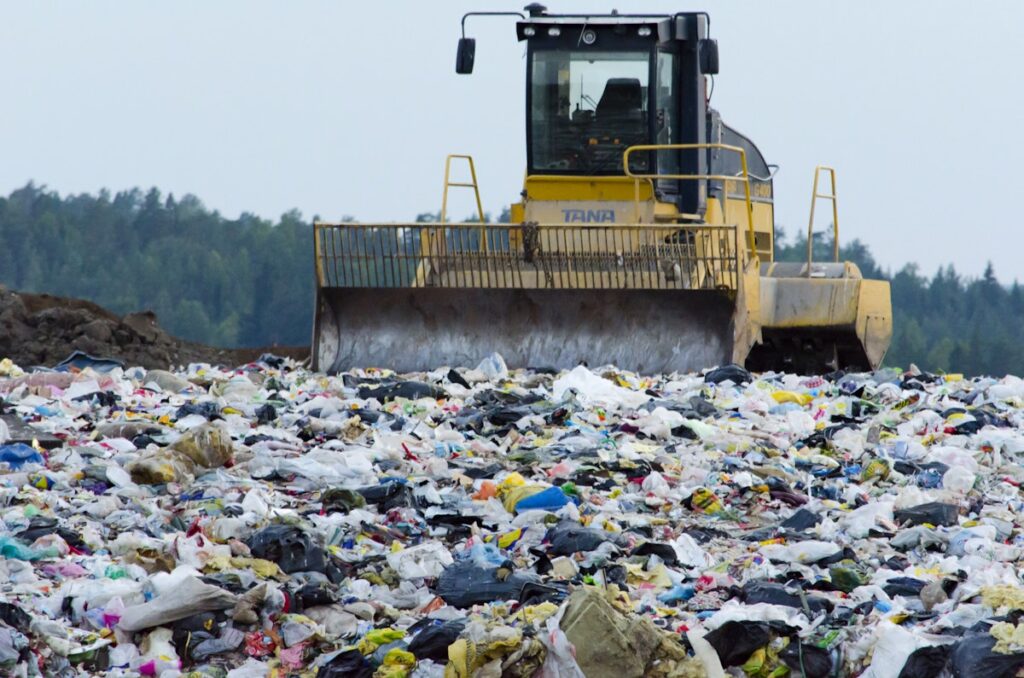
A natural consequence of rampant consumerism is waste. Society has become accustomed to disposability: cheap clothes, single-use electronics, and over-packaged food. Landfills overflow while recycling infrastructure struggles to keep pace. Many items are not recyclable at all or are exported to other countries, creating secondary environmental crises. E-waste, in particular, contains toxic metals that leach into soil and water, affecting both local populations and global ecosystems.
Even when recycling occurs, it’s often energy-intensive or partial, meaning the material never fully re-enters a sustainable cycle. The mantra of “buy, use, discard” has replaced principles of durability, repair, and mindfulness, embedding environmental harm into everyday life.
Global Trade and the Carbon Paradox
Consumerism thrives on global trade, but transporting goods across continents is energy-intensive. A simple purchase—a pair of shoes, a smartphone, or imported fruit—can travel thousands of miles before reaching the buyer. Shipping alone contributes heavily to carbon emissions, while customs, packaging, and storage add additional energy costs. The paradox is that products marketed as “cheap” often carry hidden carbon prices far exceeding what consumers pay at checkout.
Furthermore, globalized supply chains are fragile. Environmental disasters, pandemics, or geopolitical tensions can disrupt production and distribution, exposing the risks of over-dependence on distant manufacturing. Ironically, the system that maximizes consumer convenience often undermines long-term resilience.

Alternative Models and Sustainable Practices
Recognizing the cost of global consumerism, many scholars and practitioners advocate for alternative models. Concepts like the circular economy, slow fashion, and conscious consumption offer ways to decouple consumption from environmental and social harm. The circular economy emphasizes reuse, repair, and recycling, turning waste into a resource. Slow fashion prioritizes quality over quantity, supporting fair labor and sustainable materials.
On the consumer side, behavioral shifts matter. Choosing fewer, better-quality products, supporting local businesses, and reducing unnecessary purchases can significantly reduce one’s footprint. Transparency in supply chains, certifications for ethical labor, and environmental standards empower consumers to align spending with values.
Technological innovation can help too. Renewable energy, biodegradable materials, and AI-driven supply chain optimization reduce environmental impact, but these solutions are effective only if paired with responsible consumption habits. Technology cannot substitute for conscious human choices—it can only amplify them.
The Ethical Dilemma: Convenience vs. Responsibility
At its core, global consumerism presents an ethical dilemma. Convenience, affordability, and novelty drive modern lifestyles, but they come at hidden costs—to the environment, workers, and future generations. Every purchase carries ethical implications, whether we see them or not. Ignoring these consequences perpetuates harm, but addressing them requires effort, awareness, and sometimes sacrifice.
This ethical challenge is compounded by inequality. Not all consumers have the luxury of choosing sustainably. For many, cheaper options are a necessity, not a preference. Solutions must therefore balance systemic reform with individual responsibility, ensuring that sustainable practices are accessible, not exclusive.
The Role of Policy and Corporate Responsibility
Sustainable consumption isn’t solely the consumer’s burden. Governments and corporations play pivotal roles. Policy interventions—such as carbon taxes, stricter environmental regulations, and labor protections—can shift incentives toward responsible production. Corporations, meanwhile, can adopt transparent supply chains, reduce waste, and invest in sustainable materials.
The most effective change occurs when policy, corporate ethics, and consumer behavior align. Historical examples show that regulations paired with consumer awareness—like the reduction of ozone-depleting chemicals or the push for fair-trade goods—can produce meaningful shifts in global markets. Consumerism doesn’t need to disappear, but it can evolve into a more responsible, equitable system.
A Personal Reflection: Rethinking Needs
Ultimately, the real cost of global consumerism is as much psychological as it is material. The habit of buying more often obscures the ability to appreciate less. Modern life encourages distraction through consumption, yet fulfillment often comes from relationships, experiences, and personal growth—things money cannot buy.
Rethinking needs versus wants, investing in durable and meaningful goods, and cultivating awareness about where products come from can transform consumption into a conscious act rather than a compulsive habit. Small choices ripple outward: choosing a sustainable brand, repairing instead of replacing, or simply resisting an impulsive purchase sends a signal to the market that long-term responsibility matters.
Conclusion: Accounting for True Costs
Global consumerism is a multi-layered phenomenon with environmental, social, economic, and psychological dimensions. Its cost is not merely monetary—it is ecological, human, and ethical. From deforestation and carbon emissions to labor exploitation and cultural homogenization, the consequences are profound and often hidden.
Yet, change is possible. Through mindful consumption, technological innovation, corporate accountability, and supportive policies, society can retain the benefits of commerce while mitigating its harm. Understanding the real cost of global consumerism is the first step toward a future where convenience and conscience coexist, proving that we don’t have to sacrifice the planet or human dignity for the sake of consumption.
The question isn’t whether consumerism has a cost—it clearly does. The real challenge is whether we are willing to pay that cost consciously or continue to outsource it to others and the environment. In facing that challenge, every choice matters, and every purchase carries weight far beyond the checkout counter.