









Oil. Black gold. Liquid lifeblood of the modern world. For more than a century, it has powered our cars, heated our homes, fueled industries, and underpinned global geopolitics. Yet, as the world grapples with climate change, dwindling fossil fuel reserves, and the rise of renewable energy, one question looms large: can the global economy survive without oil?
To answer this, we must dissect the layers of modern civilization that oil touches—directly and indirectly—while exploring alternative energy sources, economic implications, technological innovations, and societal transformations. Spoiler alert: the answer is not as simple as flipping a switch.
The Ubiquity of Oil in Modern Life
When we think of oil, cars and gas stations often come to mind. But oil’s reach extends far beyond the road. Consider this:
- Transportation: About 60% of global oil consumption fuels transportation. Planes, ships, trucks, trains—most rely on petroleum-based fuels. The global supply chain, from manufacturing to retail, depends on these transportation networks.
- Plastics and Chemicals: Oil is the raw material for plastics, synthetic fibers, fertilizers, and countless industrial chemicals. Your smartphone, clothing, and packaged food all have oil embedded in their life cycles.
- Electricity and Heating: In some regions, particularly in developing countries, oil-fired power plants and heating systems remain essential.
In short, oil is not just fuel; it is an industrial foundation, an economic glue that keeps modern society cohesive. Eliminating it is akin to removing yeast from bread: the structure collapses unless a substitute is introduced.
Historical Lessons: Oil Shocks and Economic Stress
History shows that the economy is highly sensitive to oil fluctuations. Two major crises stand out:
- The 1973 Oil Embargo: OPEC’s production cuts sent oil prices skyrocketing from $3 per barrel to nearly $12 in months. Inflation surged, economies stalled, and governments scrambled for energy security.
- The 2008 Price Spike: Crude briefly hit $147 per barrel, straining transportation costs, food prices, and global markets.
These events underscore one point: even temporary oil disruptions can ripple through economies, destabilizing everything from household budgets to international trade. Surviving without oil would require not just substitutes but systemic redesigns in energy, transport, and production.
The Rise of Alternatives: Can They Fill the Gap?
The conversation often turns to renewable energy and alternative fuels. Let’s examine the most viable candidates.
1. Solar and Wind Power
Solar panels and wind turbines have become symbols of a post-oil future. Technologically, they are advancing rapidly: efficiency has improved, costs have dropped, and storage solutions are emerging.
- Strengths: Renewable, abundant, environmentally friendly.
- Weaknesses: Intermittent supply (sun doesn’t always shine, wind doesn’t always blow), geographic limitations, and the challenge of scaling to replace oil in transportation.
While solar and wind can eventually replace a significant portion of electricity generation, they cannot directly fuel jet engines or heavy trucks—at least, not without advanced storage or conversion technologies like hydrogen.
2. Biofuels
Biofuels derived from corn, sugarcane, algae, or waste products offer a more direct substitute for gasoline and diesel.
- Strengths: Compatible with existing infrastructure, carbon footprint potentially lower.
- Weaknesses: Land use conflicts with food production, limited scalability, and variable energy density.
While biofuels could reduce dependence on crude oil, they are unlikely to replace it entirely. Think of them as a partial bridge rather than a complete solution.
3. Hydrogen and Synthetic Fuels
Hydrogen and synthetic hydrocarbons promise a futuristic path: clean-burning fuels that mimic the energy density of oil.
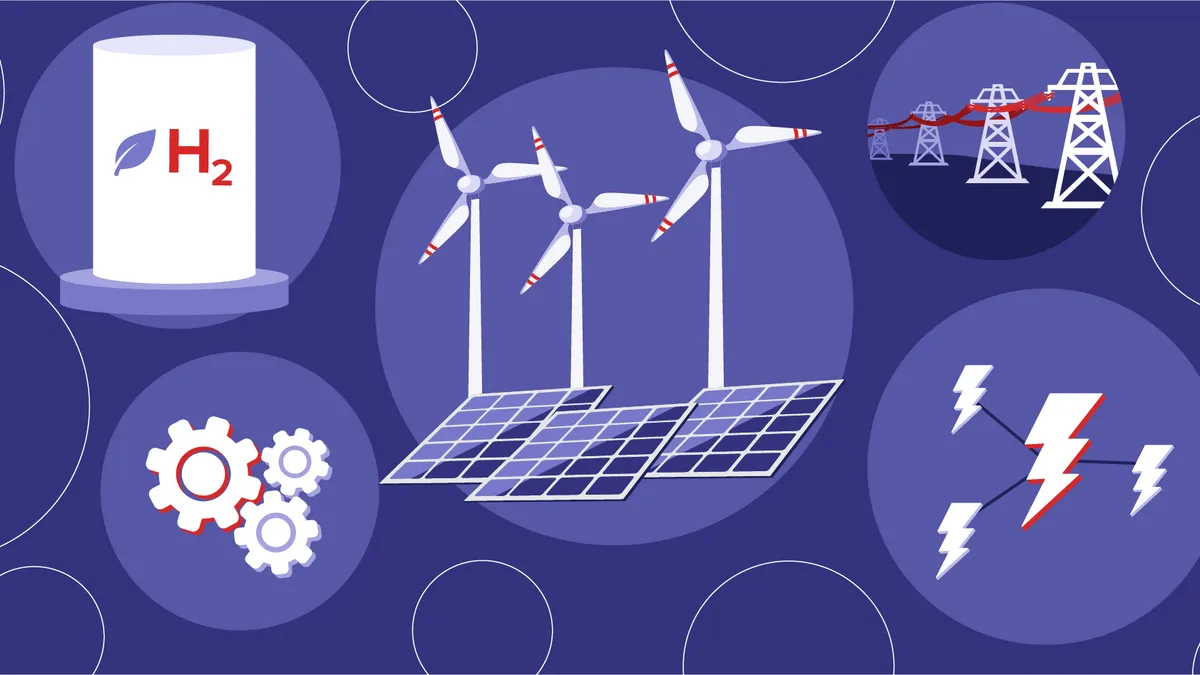
- Strengths: High energy content, zero emissions at the point of use.
- Weaknesses: Production is energy-intensive, requiring electricity or natural gas. Distribution infrastructure is minimal.
In theory, hydrogen could power trucks, planes, and ships. In practice, a hydrogen economy is still decades away and requires massive investment in production, storage, and transport networks.
4. Electrification
Electric vehicles (EVs) are on the rise, and many forecasts predict a tipping point within the next two decades. But a fully electrified transportation system has caveats:
- Charging networks must expand massively.
- Battery materials (lithium, cobalt, nickel) face supply constraints.
- Heavy industry and aviation remain difficult to electrify.
In short, EVs can replace personal cars, but they cannot yet displace oil in global logistics or aviation entirely.
Economic Implications of an Oil-Free World
Even with alternatives, eliminating oil would have profound economic effects:
Energy Prices and Inflation
Oil is a globally traded commodity. If supply were abruptly eliminated:
- Energy prices would spike, affecting transport, heating, and industrial production.
- Inflation would surge globally, hitting food and consumer goods hardest.
The shock would be more severe in oil-importing countries, particularly in regions with weak infrastructure or limited access to alternatives.
Geopolitical Realignments
Countries that rely on oil exports, like Saudi Arabia, Russia, and Venezuela, would face economic collapse without oil revenues. Conversely, nations rich in renewable resources, rare earth minerals, or hydrogen potential could rise in geopolitical importance.
The balance of power could shift dramatically, potentially triggering new alliances, conflicts, and economic blocs.

Industrial Transformation
Oil is embedded in modern manufacturing. Plastics, chemicals, and synthetic materials all rely on petroleum feedstocks. A transition away from oil would require:
- Massive investment in chemical alternatives.
- Redesigning supply chains to minimize oil dependence.
- Innovations in material science, such as biodegradable plastics or carbon-based composites.
The transition is feasible but would take decades, costing trillions of dollars globally.
Societal Challenges and Adaptation
Economic shifts are only part of the picture. Societies would also face cultural and behavioral transformations:
- Mobility Changes: Fewer private cars powered by fossil fuels could increase demand for public transit, biking infrastructure, and urban redesign.
- Consumer Habits: Oil-based products—from packaging to synthetic fabrics—would be rationed or replaced, forcing lifestyle changes.
- Job Market Shifts: Fossil fuel industries employ millions worldwide. A decline would necessitate reskilling programs and new employment sectors.
Adapting to a post-oil world is not just technical; it’s deeply social, requiring governments, businesses, and citizens to embrace new norms.
Technological Innovations on the Horizon
Despite the challenges, technology offers hope:
- Advanced Batteries: Solid-state and next-generation batteries could make electric aviation and heavy transport feasible.
- Carbon Capture and Utilization: Capturing CO₂ from the atmosphere and converting it into synthetic fuels could reduce the environmental cost of oil alternatives.
- AI-Optimized Energy Grids: Intelligent energy systems could manage intermittent renewables, balancing supply and demand efficiently.
- Material Substitutes: Bioplastics, carbon composites, and new polymers could replace petroleum-based materials in manufacturing.
These innovations, combined with policy support, could gradually decouple the global economy from oil. But the transition would be uneven, costly, and politically charged.
Lessons from Energy Transitions
History offers a guide. Coal once replaced wood; electricity replaced gas lighting. Transitions took decades, were uneven across regions, and required coordinated investment, regulation, and cultural adaptation.
Similarly, a post-oil transition would:
- Take decades, not years.
- Require massive upfront investment in infrastructure and technology.
- Demand international cooperation to prevent economic shocks.
It’s a marathon, not a sprint, and the finish line involves more than energy—it involves reshaping global economic systems and lifestyles.
Can the Global Economy Survive Without Oil?
After examining history, alternatives, economic impacts, and societal adaptations, the answer is cautiously optimistic: yes, but with caveats.
- Short-term shock: Abrupt removal of oil would likely trigger global economic crises.
- Medium-term adaptation: With strategic investments in renewables, EVs, hydrogen, and biofuels, economies could stabilize within decades.
- Long-term transformation: Societies would emerge more resilient, environmentally conscious, and technologically advanced—but very different from today.
Oil is not merely a commodity; it is woven into the fabric of global civilization. Removing it without preparation is risky. But with foresight, planning, and innovation, the global economy can survive—and potentially thrive—in a post-oil era.
Conclusion: A Future Beyond Oil
Surviving without oil is less about abandoning a resource and more about reinventing the world economy. It’s about reshaping transportation, energy, industry, and lifestyles in ways that are sustainable, technologically savvy, and socially adaptive.
The road ahead will be complex and often bumpy, but humanity has proven resilient in the face of energy transitions before. Oil’s dominance may wane, but innovation, ingenuity, and global cooperation could ensure the economy not only survives but evolves into a cleaner, smarter, and more resilient system.
The question is no longer just whether the global economy can survive without oil—it’s whether it can thrive in spite of it.