










Forests are the lungs of our planet. Nowhere is this more evident than in Africa, a continent often celebrated for its rich biodiversity, vast savannas, and expansive deserts. Yet, tucked between the Sahara’s golden sands and the southern savannas lie forests that are increasingly being recognized not only as biodiversity hotspots but also as powerful carbon sinks. Could Africa’s forests, in their dense green glory, indeed hold the key to mitigating climate change on a global scale? To answer this, we must dive into the layers of ecological, economic, and social dynamics shaping these forests.
1. The Carbon Potential of Africa’s Forests
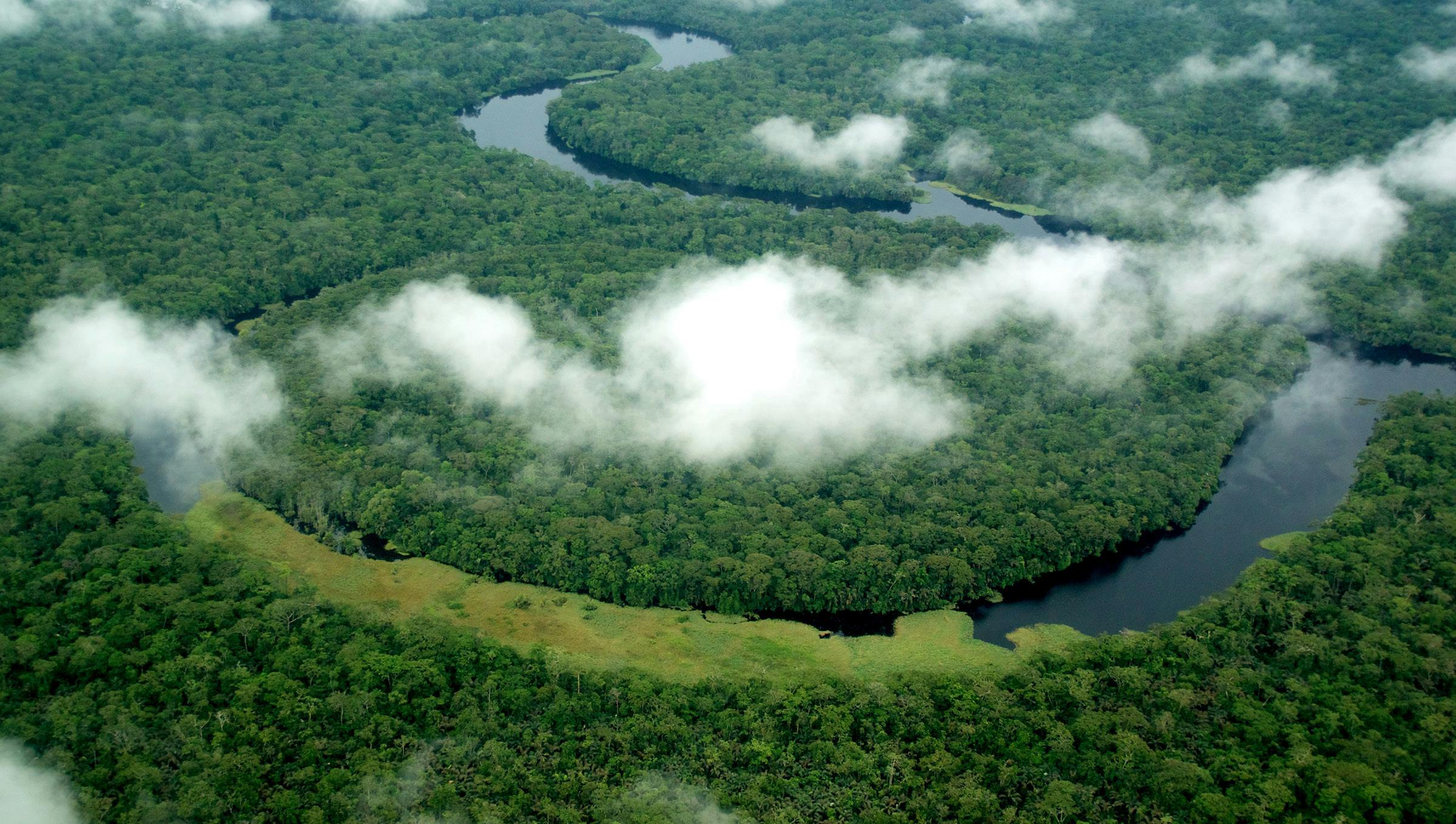
Africa’s forests cover roughly 17% of the continent’s land area, with major concentrations in Central Africa’s Congo Basin, West Africa’s Guinean forests, and scattered woodlands throughout East and Southern Africa. These forests serve as colossal carbon reservoirs. Trees absorb carbon dioxide during photosynthesis, storing carbon in their trunks, branches, leaves, and roots—a process known as carbon sequestration.
For context, the Congo Basin alone stores an estimated 29 billion metric tons of carbon, making it the world’s second-largest tropical forest carbon sink after the Amazon. If protected and managed properly, these forests could offset a significant portion of global carbon emissions, potentially buying humanity critical time in the race against climate change.
But the potential extends beyond mere numbers. Africa’s forests play a crucial role in regulating local climates, supporting rainfall patterns, and maintaining water cycles. Every tree felled or forest degraded disrupts these systems, releasing stored carbon into the atmosphere while simultaneously reducing future sequestration capacity.
2. Forest Types and Their Carbon Dynamics
Africa’s forests are far from homogenous. Their carbon storage capacity varies widely depending on species composition, density, and age structure:
- Tropical Rainforests: Dense, multi-layered ecosystems such as the Congo Basin absorb enormous amounts of CO₂, storing carbon both aboveground in vegetation and belowground in soil. The complex canopy structure allows for continuous photosynthesis, maximizing carbon capture year-round.
- Miombo Woodlands: Stretching across Southern Africa, these woodlands are dominated by deciduous trees with seasonal growth patterns. While less dense than rainforests, Miombo woodlands store substantial carbon, particularly in their deep-rooted trees and organic-rich soils.
- Mangroves: Africa’s coastal mangroves, found in countries like Senegal, Mozambique, and Nigeria, are carbon powerhouses. Despite covering only a small fraction of the continent, they sequester up to four times more carbon per hectare than many tropical forests and act as buffers against storm surges and sea-level rise.
Understanding these dynamics is crucial because carbon storage isn’t just about tree density—it’s about ecosystem health, species diversity, and soil composition. Protecting these forests means protecting a multi-dimensional carbon network.
3. The Threat of Deforestation
The promise of Africa’s forests comes with a stark caveat: deforestation is accelerating. According to estimates, Africa loses around 4 million hectares of forest each year, driven by logging, agricultural expansion, and infrastructure development. The consequences are twofold:
- Carbon Emissions: When trees are cut and burned, stored carbon is released back into the atmosphere, exacerbating climate change.
- Loss of Ecological Services: Forest degradation disrupts rainfall patterns, diminishes soil fertility, and threatens biodiversity, undermining both local and global environmental stability.
West and Central Africa are particularly vulnerable. Logging operations, both legal and illegal, strip forests of valuable timber, while small-scale farming encroaches on remaining patches. In East Africa, land conversion for agriculture and urban development is accelerating. Without urgent intervention, Africa’s forests risk becoming net carbon sources rather than carbon sinks.
4. Carbon Markets and Incentivizing Conservation
One of the most promising strategies to harness Africa’s forest potential lies in market-based solutions. Carbon markets allow countries, corporations, and investors to offset emissions by funding forest conservation or restoration projects. Programs such as REDD+ (Reducing Emissions from Deforestation and Forest Degradation) provide financial incentives for preserving forests while supporting local communities.
For African nations, this is a dual opportunity: generate revenue and combat climate change. Countries like Ghana, Kenya, and the Democratic Republic of Congo have begun implementing projects that blend carbon finance with sustainable forest management. Early results indicate that monetizing carbon storage can be a compelling alternative to destructive land use practices.
Yet, challenges remain. Effective carbon markets require robust monitoring, reporting, and verification (MRV) systems to ensure that credited carbon is real and permanent. They also require equitable benefit-sharing mechanisms to prevent exploitation of local communities who depend on forests for their livelihoods.
5. Reforestation and Restoration Efforts
Africa’s forests have a second chance through reforestation and restoration. Initiatives such as the Great Green Wall, which spans across the Sahel, aim to restore degraded lands through tree planting and soil rehabilitation. Although primarily targeting semi-arid regions, the project underscores the potential of restoration as a climate mitigation tool.
Moreover, community-led forestry projects in countries like Tanzania and Ethiopia demonstrate that reforestation can simultaneously provide economic benefits. By planting trees that yield fruits, timber, or medicinal resources, local populations gain incentives to protect and nurture new growth. The ecological and economic synergies make restoration a compelling strategy for carbon reduction.
6. Climate Feedback Loops and Forest Health
Protecting Africa’s forests isn’t just about reducing emissions—it’s about preventing dangerous climate feedback loops. Forests influence regional rainfall, temperature, and humidity. Deforestation can trigger droughts, reduce agricultural productivity, and exacerbate desertification. In turn, these conditions make forests more vulnerable to fire and disease, releasing more carbon into the atmosphere.
This positive feedback loop underscores the urgency of forest conservation. Africa’s forests are not passive carbon reservoirs; they actively regulate the continent’s climate and, by extension, the global climate. Losing them could accelerate global warming in ways that are difficult to reverse.
7. Biodiversity, Ecosystem Services, and Carbon Storage

Africa’s forests are home to iconic wildlife such as gorillas, elephants, and countless endemic plant species. Biodiversity is more than an aesthetic or moral concern—it directly impacts carbon storage. Diverse forests tend to be more resilient to pests, diseases, and climate extremes, maintaining their carbon sequestration potential over time.
Furthermore, healthy ecosystems provide services beyond carbon capture, including water purification, soil stabilization, and flood regulation. Protecting forests is, therefore, a multi-faceted investment in planetary health.
8. Integrating Indigenous Knowledge
Local and indigenous communities have managed African forests for millennia. Their knowledge of forest ecology, species behavior, and sustainable harvesting practices is invaluable. Integrating this knowledge into modern conservation strategies can enhance carbon storage while supporting community livelihoods.
For example, agroforestry—planting trees alongside crops—can simultaneously increase food security and carbon sequestration. Such hybrid approaches demonstrate that climate mitigation and local prosperity are not mutually exclusive.
9. Policy and Governance Challenges
Africa’s forests cannot reach their carbon potential without strong governance. Illegal logging, weak enforcement of protected areas, and conflicting land tenure laws undermine conservation efforts. Policy reforms that clarify ownership, strengthen enforcement, and incentivize sustainable use are essential.
Transnational cooperation is equally important. Forests do not recognize national borders. Regional initiatives that coordinate monitoring, share best practices, and manage cross-border conservation areas can maximize carbon storage while maintaining ecological connectivity.
10. Urbanization and Forest Pressure
Africa’s rapidly growing population—expected to double by 2050—places additional pressure on forests. Urban expansion, infrastructure development, and agricultural intensification all threaten forested areas. Balancing development needs with forest conservation is a delicate task but crucial if the continent is to maintain its carbon sink potential.
Innovative solutions, such as urban green belts, agroforestry, and land-sparing agricultural techniques, can reduce the pressure on natural forests while supporting human development.
11. Technological Innovations in Forest Monitoring
Recent advances in remote sensing, drones, and satellite imagery have revolutionized forest monitoring. Real-time tracking of deforestation, forest health, and biomass enables more precise carbon accounting. Technologies like LiDAR can measure tree height and canopy density, providing accurate estimates of stored carbon.
These tools not only support scientific research but also inform policy decisions, ensuring that conservation interventions are data-driven and effective. Africa, with its diverse and often remote forests, stands to benefit immensely from these innovations.
12. Forests as Part of a Global Climate Strategy
While Africa’s forests are powerful carbon sinks, they are only one piece of the climate puzzle. Combating global warming requires a multi-pronged strategy: reducing fossil fuel use, transitioning to renewable energy, enhancing energy efficiency, and protecting ecosystems worldwide.
Yet, the potential impact of Africa’s forests is substantial. Estimates suggest that halting deforestation and restoring degraded forests could remove up to 1.5 billion metric tons of CO₂ annually, equivalent to eliminating the annual emissions of a major industrialized nation. This underscores the global significance of African forest conservation.
13. Success Stories and Hopeful Examples
Despite challenges, Africa has inspiring examples of forest stewardship:
- Rwanda: Community-based reforestation programs have transformed degraded lands into productive, carbon-storing forests.
- Gabon: Implemented national policies to maintain over 80% forest cover while leveraging carbon finance.
- Mozambique: Coastal mangrove restoration projects not only sequester carbon but protect vulnerable communities from storm surges.
These stories illustrate that with political will, community engagement, and international support, Africa’s forests can indeed play a transformative role in carbon reduction.
14. The Way Forward
Africa’s forests are at a crossroads. On one hand, they hold unparalleled potential for mitigating climate change, preserving biodiversity, and sustaining local communities. On the other hand, unchecked deforestation, weak governance, and climate stressors threaten to erode these gains.
The solution lies in a holistic approach: protecting existing forests, restoring degraded lands, integrating local knowledge, leveraging carbon markets, and using technology for precise monitoring. The urgency cannot be overstated: every hectare of forest lost is a step backward in the global fight against climate change.
In the end, Africa’s forests are more than a regional treasure—they are a global asset. Their preservation is not just an environmental imperative but a strategic necessity for humanity’s survival. With concerted action, innovative solutions, and a commitment to sustainable development, these forests can indeed hold the key to global carbon reduction.