






The fashion industry is a paradox. On one hand, it dazzles the world with creativity, glamour, and innovation. On the other, it leaves a staggering environmental footprint, ranking among the top polluting industries globally. Water-intensive cotton fields, chemical-laden dyes, fast-fashion overproduction, and mountains of textile waste paint a grim picture. The question is not merely rhetorical: Can the global fashion industry go green? The answer is complex, but not impossible. To understand the possibilities, we need to explore every layer of this vibrant yet troubling ecosystem—from production to consumption, from design to disposal.
The Fashion Industry: A Climate Culprit
Before we explore solutions, we must confront the problem. Fashion’s environmental impact is staggering. The industry is responsible for approximately 10% of global carbon emissions, more than international flights and maritime shipping combined. Additionally, it consumes enormous quantities of water. Producing just one cotton t-shirt can use up to 2,700 liters of water, roughly equivalent to a person’s water consumption over two and a half years. Chemical pollutants from dyeing and finishing processes infiltrate rivers, threatening ecosystems and human health alike.
Fast fashion exacerbates these problems. Brands like Zara, H&M, and Shein churn out thousands of new designs every month, pushing consumers toward constant consumption. This “wear once, toss once” culture produces over 92 million tons of textile waste annually, much of it ending up in landfills or incinerators. Clearly, if the industry wants to go green, it must confront its environmental sins head-on.
The Green Fabric Revolution
The first step toward sustainability begins with materials. Conventional textiles—cotton, polyester, leather—carry heavy environmental costs. Thankfully, innovations in sustainable fabrics are blossoming.
Organic and Regenerative Cotton
Unlike traditional cotton, organic cotton is grown without synthetic pesticides or fertilizers, drastically reducing soil and water pollution. Regenerative cotton goes further, actively improving soil health and capturing carbon in the ground. Some pioneering brands are experimenting with mixed-fiber blends that minimize water use while maintaining durability.
Recycled Materials
Recycled polyester, made from discarded plastic bottles, has become a mainstream alternative. It prevents plastic waste from polluting oceans while reducing reliance on virgin petroleum-based fibers. Brands like Patagonia and Adidas are leading the way, proving that recycled fabrics can be both stylish and high-performing.
Innovative Plant-Based Textiles
The next frontier involves lab-grown and plant-based fibers. Materials derived from mushrooms (mycelium), pineapple leaves (Piñatex), and even lab-grown leather offer cruelty-free, low-impact alternatives. These innovations are still niche, but they signal a future where luxury and sustainability coexist.
Circular Fashion: Rethinking the Life Cycle
A green fashion industry requires more than eco-friendly fabrics—it demands a circular approach. Circular fashion focuses on extending the lifespan of garments, reducing waste, and recycling materials back into production.
Clothing Rental and Subscription Services
One of the most exciting developments is clothing rental platforms. Companies like Rent the Runway and HURR Collective allow consumers to enjoy high-end fashion without owning it. This reduces overproduction and encourages mindful consumption.
Secondhand and Vintage Markets
Thrift stores and online resale platforms like Depop and Vinted are revolutionizing how people value clothing. Vintage shopping not only saves garments from landfills but also fosters a culture of creativity and individuality.
Textile Recycling and Upcycling
On the production side, mechanical and chemical recycling technologies are improving rapidly. Old garments can now be broken down into fibers and transformed into new fabrics, closing the loop. Upcycling, where designers creatively repurpose discarded textiles, adds aesthetic value while championing sustainability.

Fashion Supply Chains: The Hidden Challenge
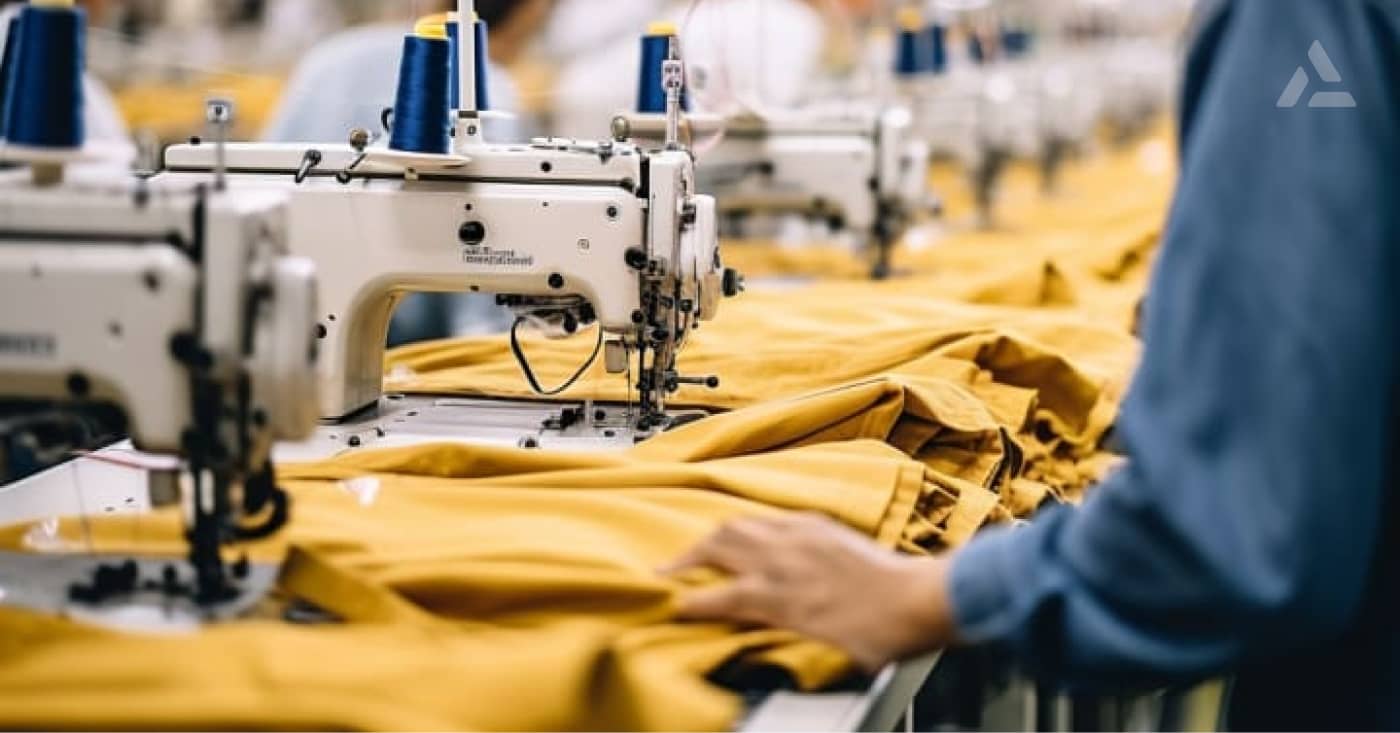
Sustainable fabrics and circular practices are promising, but they cannot succeed without transparent, responsible supply chains. The global fashion supply chain is notoriously opaque, often stretching across multiple continents. Factories in Bangladesh, Vietnam, and India supply fast-fashion giants, yet labor exploitation and environmental violations are common.
Ethical Manufacturing
Green fashion must prioritize ethical manufacturing. Fair wages, safe working conditions, and eco-conscious factory practices are essential. Brands are increasingly investing in blockchain and traceability technologies to ensure every garment’s journey is documented and accountable.
Local Production and Slow Fashion
Reshoring production or moving manufacturing closer to consumers can reduce transportation emissions. Combined with a slow fashion ethos—emphasizing quality over quantity—this strategy encourages consumers to buy less but choose well-crafted, durable pieces.
Innovation in Dyeing and Finishing
Even the most eco-friendly fibers are compromised if traditional dyeing methods persist. Conventional textile dyeing is water-intensive and relies heavily on toxic chemicals. To go green, the industry must innovate.
Waterless and Digital Dyeing
Waterless dyeing technologies, using CO2 or advanced pigments, drastically reduce water use and chemical runoff. Digital printing also minimizes waste by applying color only where needed, instead of immersing entire fabrics in dye baths.
Natural Dyes
Some designers are returning to natural dyes derived from plants, insects, and minerals. Though historically labor-intensive, modern techniques are making these methods scalable while producing beautiful, unique hues.
Consumer Behavior: The Final Frontier
Even with eco-friendly fabrics, circular models, and ethical supply chains, consumer behavior remains the ultimate bottleneck. Fast fashion thrives because cheap, disposable clothing aligns with modern lifestyles. To shift the industry, consumers must embrace mindful consumption.
The Power of Education
Raising awareness about the environmental impact of clothing can drive change. Documentaries, social media campaigns, and transparency reports help consumers make informed choices.
Minimalism and Wardrobe Curation
Adopting a capsule wardrobe—a carefully curated collection of versatile, high-quality garments—reduces waste and encourages long-term use. In essence, the green revolution is not just about production but also about teaching people to value what they wear.
Regulatory and Policy Support
Individual and corporate action is essential, but government regulation can accelerate transformation. Policies that incentivize sustainable practices and penalize pollution are vital.
Extended Producer Responsibility (EPR)
EPR laws require manufacturers to take responsibility for their products throughout the entire lifecycle, including disposal. Implementing EPR in fashion could drastically reduce textile waste and encourage recycling.
Carbon and Water Footprint Regulations
Countries may impose limits on carbon emissions and water usage for textile production. Brands exceeding these limits could face taxes or fines, motivating them to adopt greener practices.
Tech-Driven Sustainability
Technology is transforming sustainability in fashion. From AI design tools predicting consumer demand to 3D printing that reduces material waste, tech innovations are making green fashion feasible and economically viable.
Artificial Intelligence and Predictive Analytics
AI can analyze consumer behavior, forecasting demand and reducing overproduction. By producing only what will likely sell, brands can minimize waste and optimize resources.
Blockchain and Transparency
Blockchain ensures traceability and accountability across supply chains. Consumers can see exactly where and how their garments were made, fostering trust and encouraging sustainable choices.
Smart Textiles
Smart textiles equipped with sensors can monitor wear, temperature, or even biodegradability. This technology opens possibilities for garments that last longer, adapt to user needs, and reduce environmental impact.
The Role of Fashion Capitals
Major fashion capitals—Paris, Milan, New York, London—carry immense influence. By adopting sustainable standards, luxury brands can set trends that ripple through the entire industry.
Green Luxury
Luxury brands have the resources to experiment with sustainable materials and circular models. From biodegradable packaging to fully traceable supply chains, luxury fashion can lead by example, demonstrating that sustainability and prestige are not mutually exclusive.
Fashion Weeks Go Green
Even traditional events like Fashion Weeks are transforming. Eco-conscious shows, digital presentations, and sustainable collaborations are making green fashion more visible and aspirational.
Challenges Ahead
Despite progress, significant hurdles remain. Cost is a primary barrier—sustainable materials and ethical labor practices are more expensive. Consumer habits are difficult to change, and global coordination is challenging. Additionally, technological innovations, while promising, require investment and infrastructure that many smaller brands lack.
Yet, these challenges are not insurmountable. The fashion industry has a history of rapid adaptation—what seems impractical today may be standard practice tomorrow. A green fashion future depends on collaboration among designers, manufacturers, policymakers, and consumers alike.
A Vision for the Future
Imagine a fashion world where every garment is produced with care, every material is either biodegradable or recyclable, and every consumer understands the story behind their clothes. Picture a global industry that celebrates creativity without compromising the planet—a world where style and sustainability are inseparable. This is not mere fantasy. Emerging technologies, innovative materials, circular business models, and conscious consumption are converging to make green fashion a reality.
Conclusion
So, can the global fashion industry go green? Yes—but only if it embraces holistic transformation. Green fabrics, circular production, ethical supply chains, consumer education, policy support, and technological innovation must work in harmony. Sustainability is not a trend; it is an imperative. The journey will be complex, requiring creativity, resilience, and global cooperation. But the payoff—a healthier planet, fairer workplaces, and a fashion industry that inspires rather than exploits—is worth every effort.
The fashion industry is at a crossroads. It can continue down the path of overconsumption and pollution, or it can pivot toward a sustainable, responsible, and ultimately more beautiful future. The choice is ours, collectively, and the time to act is now. The era of green fashion is not a distant dream—it is within our grasp, shimmering like a perfectly tailored, eco-conscious garment.