








In the 21st century, the concept of globalization has evolved from a mere economic theory to a fundamental force shaping the world. But are we, as individuals, truly living in a globalized society, or is it just a convenient illusion propagated by modern media and technology? To explore this, we need to examine globalization from multiple angles—economic, social, cultural, and political—to gauge the extent to which we live in a genuinely interconnected world.
Defining Globalization: A Complex Web
Globalization is often defined as the process by which businesses, cultures, and societies become interconnected through the exchange of goods, services, information, and ideas. It’s a multifaceted phenomenon encompassing trade, technology, migration, and communication. Historically, the world has witnessed several waves of globalization, each driven by technological advancements, such as the invention of the printing press, the steam engine, or the internet.
At its core, globalization refers to the compression of time and space, allowing goods, services, and information to move across borders at unprecedented speeds. However, the question remains: are we truly living in a globalized society, or is this interconnectedness limited by various barriers that hinder its true realization?
The Economic Dimension: Global Markets and Trade
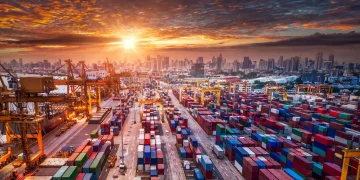
The economic aspect of globalization is perhaps the most visible and quantifiable. Global trade has reached unprecedented levels, with countries around the world depending on each other for raw materials, labor, and finished products. Companies like Apple, Amazon, and Coca-Cola source materials from multiple continents, assemble goods in different regions, and sell them in markets that span the globe.
Despite the growing interdependence, this global market is not free from barriers. Tariffs, trade wars, and political tensions frequently disrupt trade routes, as seen in the recent U.S.-China trade conflict. Countries are increasingly turning towards protectionism, attempting to shield their domestic industries from global competition. Furthermore, the rise of populism and nationalism challenges the idea that economic integration automatically leads to global prosperity. The COVID-19 pandemic exposed these vulnerabilities, as supply chains were abruptly disrupted, highlighting the fragility of global economic systems.
Moreover, while multinational corporations operate globally, the economic benefits are not always evenly distributed. Wealth and power are concentrated in certain regions, particularly the Global North, leaving the Global South struggling with poverty and inequality. This raises a critical question: is the economic globalization we witness truly beneficial for everyone, or does it exacerbate existing inequalities?

The Social Dimension: Migration, Labor, and Human Interaction
Social globalization is seen in the movement of people, whether through migration, travel, or the spread of ideas. International migration has increased dramatically in the past few decades, with millions of people crossing borders for better job opportunities, political asylum, or improved living conditions. According to the United Nations, there are currently over 280 million international migrants, a number that has been steadily rising.
However, the experience of migration is not always seamless. Migrants face barriers such as xenophobia, discrimination, and legal hurdles. Many societies still maintain strong borders, often for national security reasons, which prevents full integration. While migrants contribute significantly to their new societies, they often face exploitation in the form of low wages, poor working conditions, and limited access to social services. This highlights the tension between the ideal of a global society where people can move freely and the reality of restricted mobility.
Furthermore, social globalization is also evidenced by the rapid spread of ideas and culture through the internet and media. Social media platforms such as Facebook, Twitter, and Instagram allow individuals to connect across vast distances, sharing experiences and ideas instantly. Yet, the digital divide—between those who have access to technology and those who do not—remains a significant barrier. Millions of people, especially in rural areas and developing countries, still lack reliable internet access, thus limiting their participation in this global social landscape.
The Cultural Dimension: Globalization of Culture and Identity
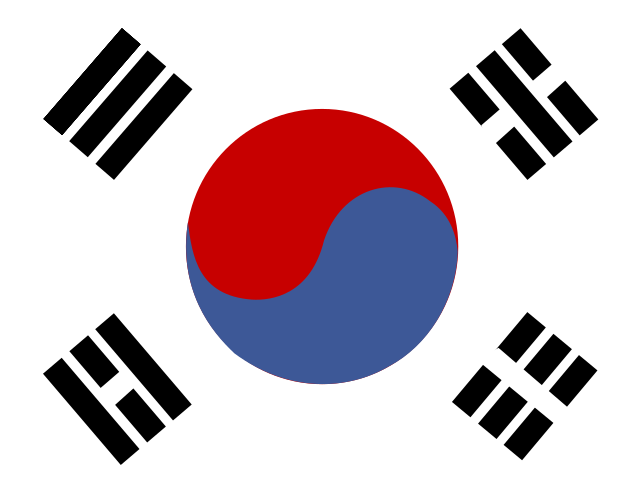
One of the most profound effects of globalization is the exchange of cultures. Through mass media, music, movies, fashion, and cuisine, cultures from around the world influence each other in unprecedented ways. Hollywood movies are watched globally, sushi is consumed from New York to Nairobi, and people in the U.K. follow K-pop bands from South Korea.
However, this cultural exchange is not without its challenges. Some argue that cultural globalization leads to the erosion of local traditions and identities. The dominance of Western media, particularly American culture, is seen by critics as a form of cultural imperialism that undermines the uniqueness of local cultures. For instance, the spread of Western beauty standards, fashion, and lifestyle choices can overshadow indigenous ways of life, particularly in non-Western societies.

On the other hand, proponents of cultural globalization argue that it promotes greater understanding and appreciation of diverse cultures. The global popularity of food, music, and art from around the world helps break down stereotypes and fosters a sense of shared humanity. The rise of multiculturalism in cities like New York, London, and Toronto reflects the blending of cultures into vibrant, hybrid identities. This intersection of cultural influences is often seen as one of the greatest benefits of globalization.
Yet, there are also significant cultural pushbacks. Nationalism and identity politics have surged in response to globalization, as people seek to preserve their unique cultural heritage in the face of overwhelming foreign influences. This conflict between global and local identities is particularly visible in the rise of populist movements and the backlash against immigration.
The Political Dimension: Global Governance and Sovereignty
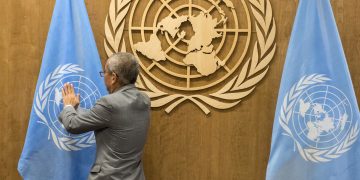
Political globalization refers to the increasing interconnectedness of nations through international institutions, treaties, and norms. Organizations such as the United Nations, the World Trade Organization, and the International Monetary Fund play a central role in regulating global issues like human rights, trade, climate change, and conflict resolution. Multilateral diplomacy has become the norm, and many global issues require cooperation among states to address effectively.
However, political globalization also faces significant challenges. The tension between national sovereignty and global governance is a defining issue of our time. Many nations resist giving up control over their borders, resources, and policies in favor of international cooperation. The rise of nationalism and populism in countries like the United States, Hungary, and Brazil reflects a desire to protect national interests at the expense of global cooperation.
Additionally, the global governance system often favors powerful nations at the expense of smaller or developing countries. For instance, the decision-making structures within institutions like the U.N. Security Council, where five permanent members hold veto power, can lead to an imbalance of influence. This raises questions about the fairness and effectiveness of the global political system.
The Environmental Dimension: Global Challenges and Cooperation
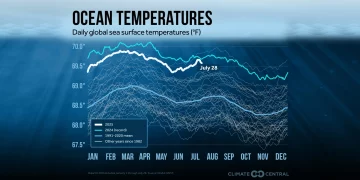
The environmental aspect of globalization is perhaps the most urgent and wide-reaching. Global environmental issues such as climate change, deforestation, and ocean pollution cannot be tackled by any one country alone. The Paris Agreement, for example, represents a global attempt to address climate change, with nations coming together to set common goals for reducing greenhouse gas emissions.
Yet, the global response to environmental challenges is often inadequate. While many countries have made strides toward sustainability, others continue to prioritize economic growth over environmental protection. The unequal effects of climate change also exacerbate existing global inequalities. Vulnerable populations in the Global South are disproportionately affected by environmental disasters, even though they contribute the least to global emissions.
The difficulty in creating a unified global response to environmental issues highlights the limitations of globalization in addressing complex, cross-border problems. Environmental protection requires international cooperation, but competing national interests and differing levels of development complicate efforts to create truly global solutions.
Is Globalization Real or Illusory?
The question of whether we are truly living in a globalized society does not have a straightforward answer. On one hand, the world has become more interconnected than ever before. Global trade, communication, and cultural exchange have created an intricate web of relationships between nations, businesses, and individuals. The internet, social media, and modern transportation have compressed the world in ways unimaginable just a few decades ago.
On the other hand, significant barriers to full globalization remain. Economic inequality, political sovereignty, cultural differences, and environmental challenges all hinder the development of a truly global society. While globalization has undoubtedly brought many benefits, it has also created new problems, such as the concentration of wealth, exploitation of labor, and environmental degradation.
In conclusion, while we are undoubtedly living in a world that is more interconnected than ever before, the idea of a “truly globalized society” remains a work in progress. Globalization has its benefits, but it also presents significant challenges. The future of globalization will depend on how we address these challenges and whether we can create a more inclusive, sustainable, and equitable global society.