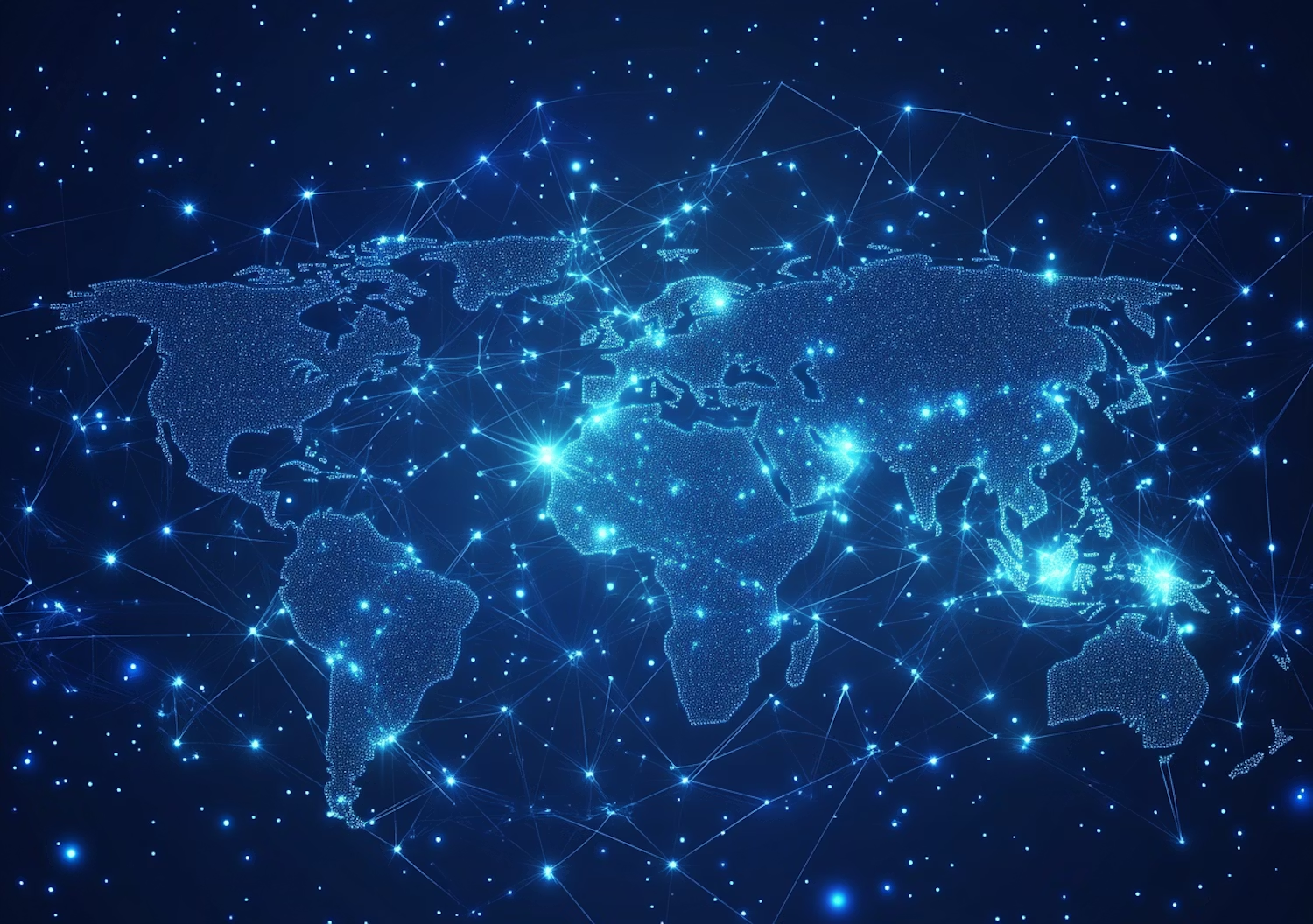



In an age where global connectivity is at its peak and the idea of a “global village” is often discussed, the concept of a world without borders seems both alluring and challenging. Imagine a world where the lines that separate nations—the physical, political, and cultural barriers—are erased. What would such a world look like, and how would it affect everything from politics and economics to culture and identity? Would it lead to a utopia of unity and peace, or would it create chaos and conflict?
The End of Nationalism: A New Era of Identity?
The most immediate and apparent consequence of a borderless world would be the end of nationalism. Nationalism—the belief that people who share a common language, culture, or ethnicity should be governed by a single political entity—has long been one of the most powerful forces shaping global politics. Without borders, the very notion of a “nation-state” would become obsolete.
One possible outcome of the disappearance of borders would be the emergence of a new kind of identity. Instead of identifying primarily with a specific country, people might begin to identify more broadly with the human race. Nationality, once a key aspect of self-identification, could take a backseat to other factors like shared values, interests, or even regional ties.
However, this shift could have complex consequences. Many people currently derive a significant part of their identity from their national background, whether it’s through language, cultural traditions, or shared history. The erosion of these national identities could lead to a loss of cultural heritage and a sense of belonging, which could create social unrest.
The Politics of the Borderless World
A world without borders would revolutionize international politics. Without borders, the idea of sovereignty, which has been at the heart of political theory and practice for centuries, would be up for debate. Would a world without borders lead to global governance, or would it result in a series of smaller, more localized communities?
A likely outcome could be the development of global institutions designed to manage the complexities of this new world. These institutions might be tasked with overseeing global resources, ensuring fair distribution, and managing conflicts. In theory, such a system could foster cooperation, but in practice, it would require the cooperation of every nation, ethnic group, and political faction—a monumental challenge in itself.
Without the safety nets of borders and national sovereignty, smaller, local groups could rise in power. New systems of governance might arise, potentially leading to decentralized political structures like city-states, or even communes. The centralization of political power could give way to a more localized approach, where power is distributed among various smaller groups or communities.
However, this shift could also result in power struggles between different factions. Without borders to define who belongs where, the competition for resources, political influence, and cultural dominance could escalate. In some regions, the absence of borders might even exacerbate existing tensions, leading to clashes between ethnic or ideological groups.
Economic Impacts: A Global Economy Without Borders
The most obvious economic impact of a borderless world would be the dissolution of the barriers that separate economies. Trade, which is currently regulated by tariffs, import/export laws, and border controls, would become freer and easier. The barriers that currently protect domestic industries from foreign competition would be gone, creating an environment where goods and services could flow more freely.
In theory, this could lead to an economic boom. Free trade, open markets, and the easy movement of labor and capital would create a more interconnected global economy. Businesses could source products and services from anywhere in the world without the restrictions imposed by national borders. Companies would be able to access new markets, while workers could find jobs in any part of the world.
However, the benefits of this free-market utopia would not be equally distributed. While some regions might flourish, others could struggle to compete in a world of unrestricted trade. Smaller economies, particularly those in developing nations, might find themselves unable to compete with the more advanced economies of the world. Additionally, large multinational corporations could dominate global markets, further concentrating wealth and power in the hands of a few.
The removal of borders could also have a profound impact on labor markets. In a world without borders, workers could move freely across the globe in search of better opportunities. This could lead to a redistribution of the workforce, with certain regions becoming centers of innovation and economic activity, while others face a “brain drain” of skilled workers.
Migration and Population Movement
One of the most significant consequences of a world without borders would be the complete transformation of migration patterns. In the current system, people often migrate to other countries for reasons such as economic opportunity, political asylum, or family reunification. Borders, in this context, serve as a means of controlling who can enter and leave a country.
Without borders, migration would no longer be restricted. People could move freely from one part of the world to another, choosing to live and work wherever they pleased. This could lead to a massive redistribution of populations, with people flocking to cities and regions that offer the best opportunities.
This newfound freedom of movement could also alleviate some of the pressure on overcrowded or underdeveloped regions. People would no longer be bound by arbitrary national boundaries, and they could seek out new homes in areas where their skills and talents are in demand. This could help reduce poverty and inequality, as individuals could escape the constraints imposed by their current environment.
However, this influx of people into certain regions could also lead to challenges. Overpopulation in certain areas could strain resources and infrastructure. Cultural integration might become more difficult as people from diverse backgrounds converge in the same regions. In addition, tensions could arise between those who have long been established in a region and newcomers seeking to build a life there.
Cultural Exchange and Homogenization
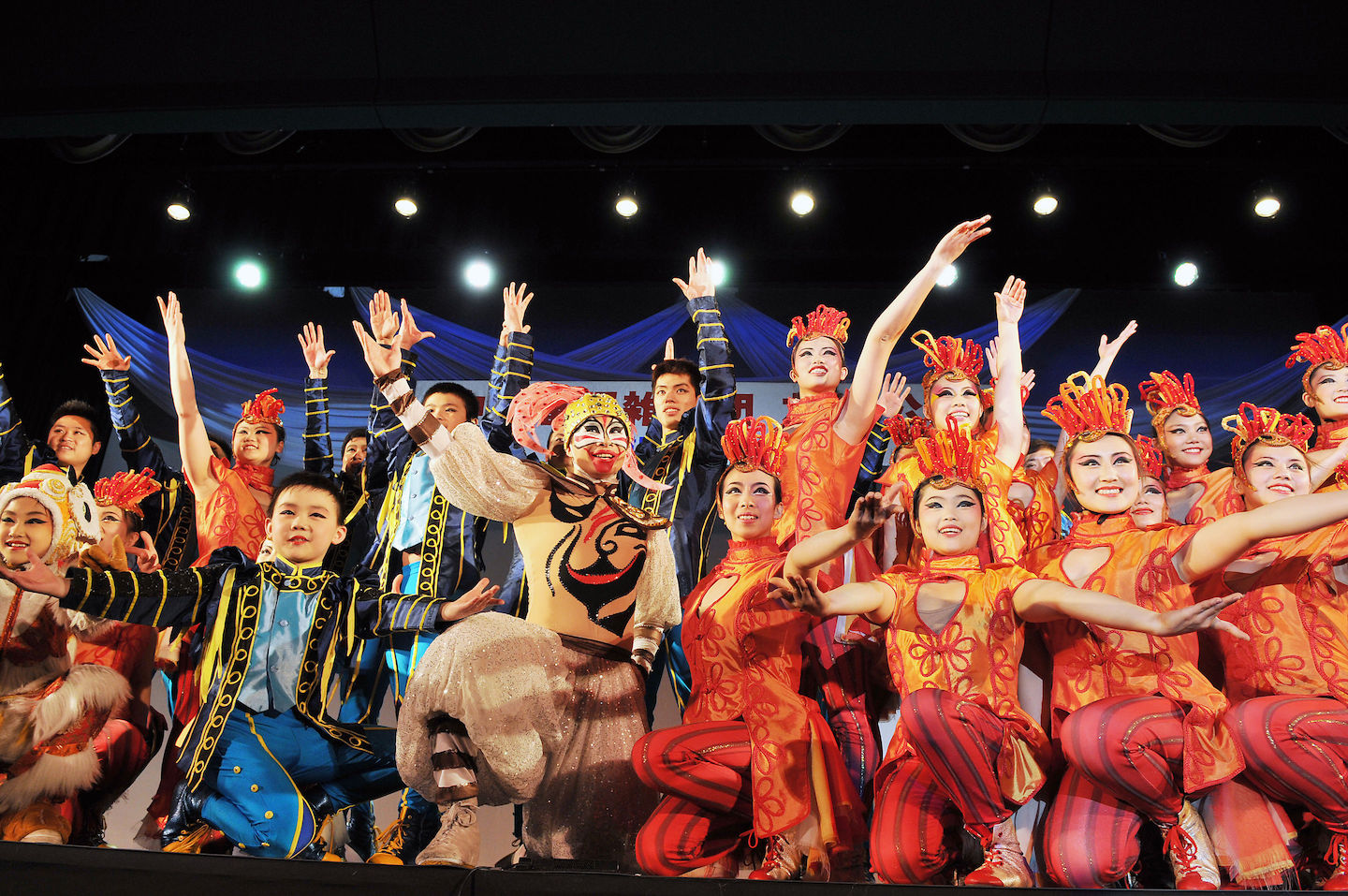
Cultural exchange is another area that would be deeply affected by a borderless world. With no borders separating people, there would be greater opportunities for individuals to interact, learn from one another, and share ideas. The free flow of people would create a world in which diverse cultures could mix and influence one another.
On the positive side, this could lead to a renaissance of creativity and innovation. New art forms, music genres, and culinary styles could emerge as cultures blend and borrow from each other. People would be exposed to a wider range of experiences, fostering greater empathy, understanding, and global citizenship.
However, this blending of cultures could also lead to the homogenization of identities. As cultures mix and influence one another, there is a risk that unique cultural traditions could be lost. In a world where people are no longer bound by national borders, the distinctions between different cultures might become blurred, leading to the disappearance of local languages, customs, and practices.
Security and Conflict: A Double-Edged Sword
A world without borders would also have profound implications for security. On the one hand, the removal of borders could reduce the likelihood of interstate wars, as there would be no reason for countries to fight over territory or resources. In a borderless world, conflicts between nations would become irrelevant, and global security could be managed by international organizations.
On the other hand, the lack of borders could also create new security challenges. Without the clear demarcations of national borders, it would be difficult to determine who has the right to protect a given territory or to define where law enforcement and military forces should operate. This could lead to conflicts over resources, law enforcement jurisdiction, or the distribution of aid in times of crisis.
Moreover, the absence of borders could make it easier for criminal organizations to operate across countries, unimpeded by national laws. Terrorism, human trafficking, and other forms of transnational crime could become more widespread, as criminals would no longer be bound by the borders that currently provide some measure of control.
Environmental Considerations: Global Cooperation or Chaos?
In the context of a borderless world, environmental issues would take on new importance. Climate change, biodiversity loss, and pollution are problems that do not respect national borders, and addressing them would require unprecedented global cooperation. In a world without borders, countries would no longer be able to protect their local environments from global threats. Rather, they would need to work together to address shared problems.
This could lead to greater international collaboration on environmental issues, as countries would no longer be able to blame each other for the environmental degradation caused by unchecked industrialization. The shared responsibility for the planet’s health might foster a new sense of global stewardship.
However, a borderless world could also create complications in the management of natural resources. Without borders, it would be difficult to define and manage access to global commons, such as the oceans, forests, and atmosphere. Countries would have to develop new ways of collaborating on environmental stewardship while balancing the interests of diverse groups and nations.
Conclusion: A World Transformed
A world without borders would represent a dramatic shift in every aspect of human existence. It could lead to greater cooperation and interconnectedness, or it could result in a fragmented world of local struggles for power and resources. The absence of borders would challenge our notions of identity, sovereignty, and governance while offering new opportunities for creativity, cultural exchange, and economic growth.
Ultimately, a borderless world would require a rethinking of how we define ourselves, our communities, and our relationships with one another. While the challenges would be immense, the potential for a more unified and harmonious world might be worth pursuing. In the end, a world without borders could be both an exciting and unsettling prospect—a bold experiment in the idea of human unity.